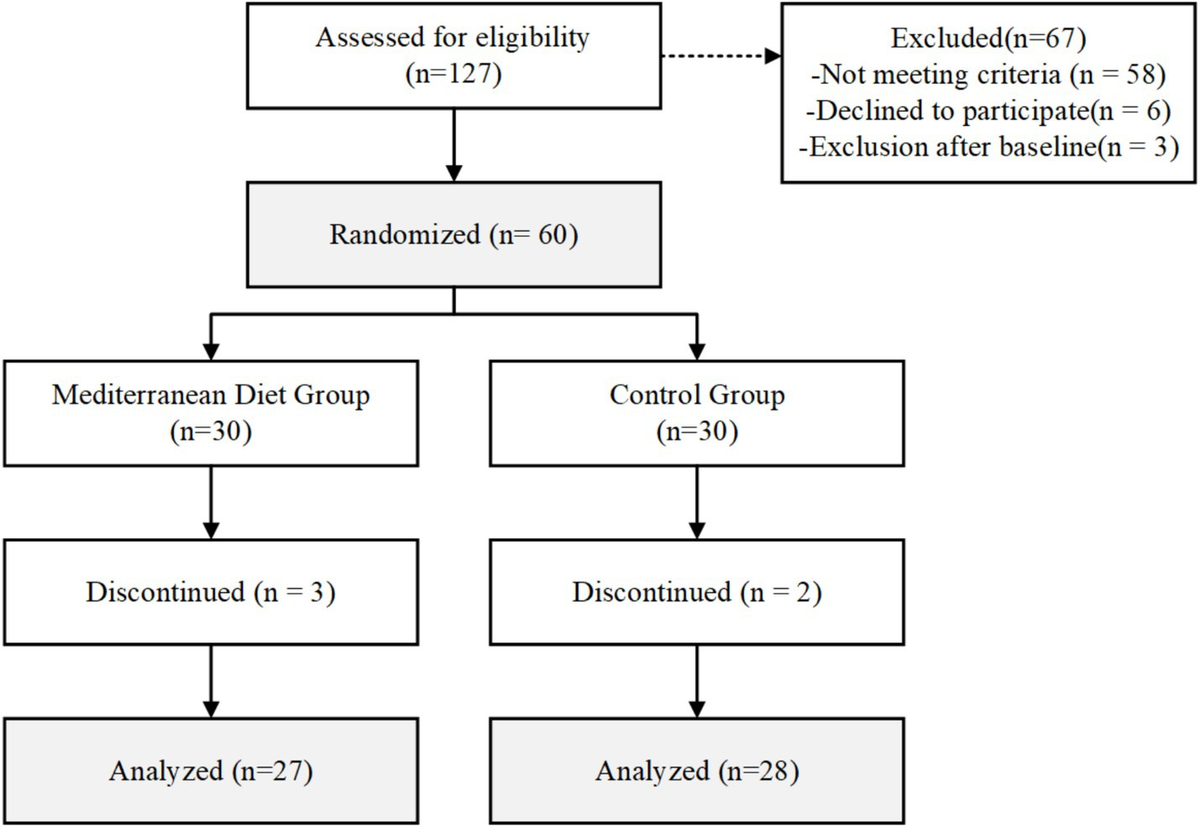
A recent study has shown that following a Mediterranean diet enhances endurance training adaptation in competitive athletes through gut microbiota-derived short-chain fatty acids (SCFAs). The 12-week randomized controlled trial involved 60 endurance athletes, with participants assigned to either a Mediterranean diet group or a control group, while both groups followed the same training program.
Read More
Results indicated significant improvements in the Mediterranean diet group, including increased gut microbiota diversity and an elevated abundance of key SCFA-producing bacteria, such as Faecalibacterium and Roseburia. Notably, plasma concentrations of propionate increased by 42.1% and butyrate by 57.9%. The VO2max, a measure of cardiorespiratory fitness, improved more significantly in the Mediterranean diet group (2.4 ± 1.6 mL/kg/min) compared to the control group (1.3 ± 1.4 mL/kg/min), with an adjusted difference of 1.1 mL/kg/min.
Mediation analysis revealed that plasma propionate levels accounted for about 23% of the dietary effect on VO2max improvements. Both groups exhibited adherence to their respective diets, but the Mediterranean group demonstrated substantial increases in dietary fiber intake, in line with dietary guidelines targeting 30–35 grams per day, while the control group maintained stable fiber intake.
The study highlights the role of dietary interventions, particularly the Mediterranean diet, in optimizing performance through microbiota modulation and SCFA production. These findings could pave the way for further research into how dietary changes could be utilized to enhance endurance training adaptations in athletes.