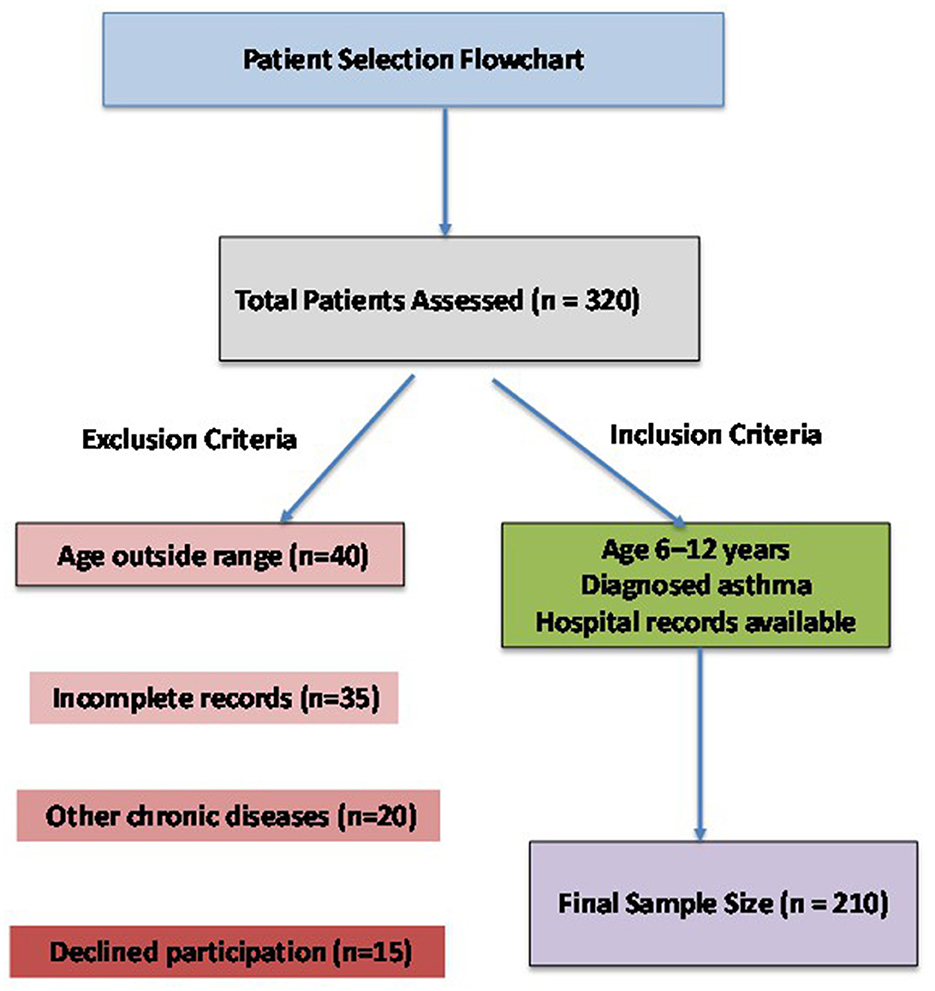
Asthma is a significant cause of morbidity in school-age children globally, and recent research highlights vitamin D deficiency as a modifiable factor impacting respiratory health. A retrospective cohort study conducted at the Pediatric Department of The Second Affiliated Hospital of Xi'an Jiaotong University analyzed data from 210 children, aged 6 to 14, who were diagnosed with asthma from January 2019 to December 2023.
Read More
The findings showed that 45.2% of the children were vitamin D deficient, while 31.0% were insufficient and 23.8% held sufficient levels. Poor asthma control was notably higher among children with vitamin D deficiency (63.2%) compared to those who were insufficient (43.1%) and sufficient (24.0%). Furthermore, the mean annual asthma exacerbation rate was highest in the deficient group (2.6) against 1.9 in insufficient and 1.1 in sufficient groups. Hospitalization rates were also significantly different, showing 31.6% of deficient patients requiring hospitalization compared to 18.5% of insufficient and 12.0% of sufficient patients.
Multivariable logistic regression analysis demonstrated that vitamin D deficiency was a strong independent predictor of poor asthma control, with an adjusted odds ratio of 2.8 after adjusting for factors such as age, sex, BMI, and treatment profile.
The study emphasizes the potential benefits of routine vitamin D screening and supplementation in pediatric asthma management. Adequate vitamin D levels may improve asthma control and reduce the burden of disease in children. The researchers advocate for public health initiatives to address nutritional deficiencies and enhance respiratory health outcomes among children.