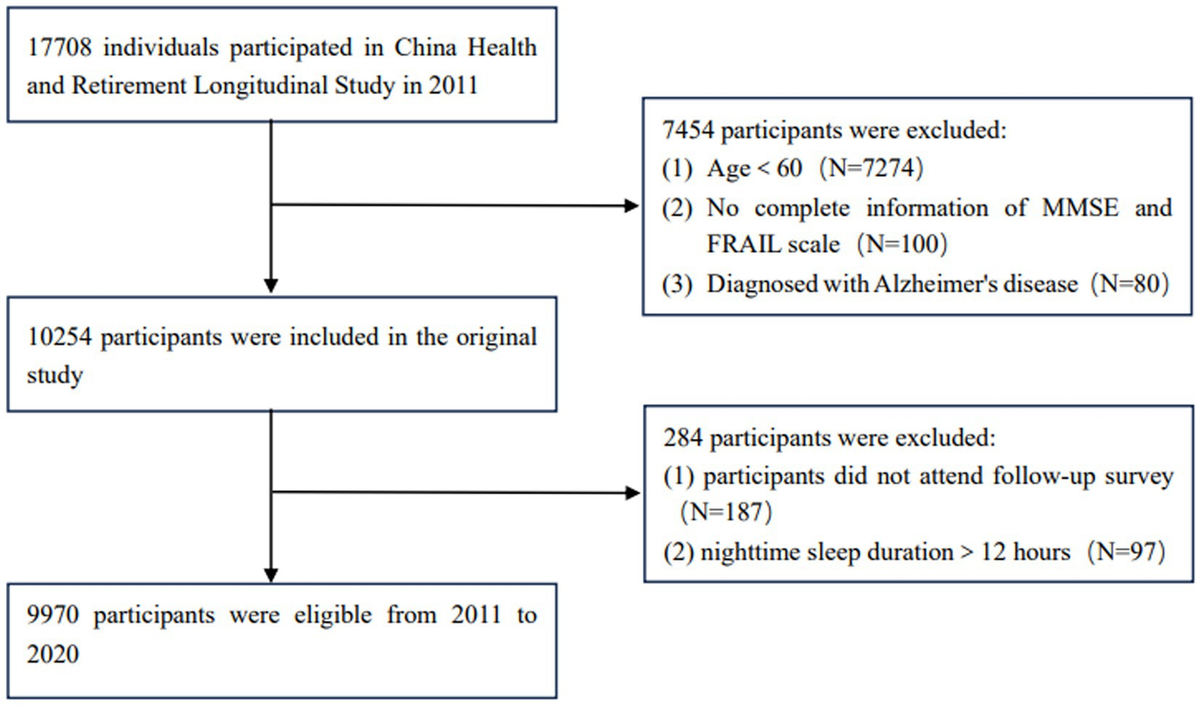
A recent study investigated the correlation between sleep duration, quality, and cognitive frailty in older adults in China, revealing significant findings over nine years with 9,970 participants. The research identified that 1,684 individuals (16.89%) were diagnosed with cognitive frailty, predominantly among unmarried, rural, and female participants, many of whom reported no social activity in the past month.
Read More
Key results indicated that poor sleep quality and excessive or no napping significantly increased the risk of cognitive frailty. Specifically, participants with good sleep quality who napped excessively faced a 123% higher risk of cognitive frailty (OR 2.23, 95% CI: 1.72, 2.86). Furthermore, those sleeping for more than nine hours with an excessive napping habit also exhibited a heightened risk of cognitive issues (OR 1.62, 95% CI: 1.14–2.30, p < 0.001).
The analysis highlights a substantial interaction between daytime napping, sleep duration, and sleep quality impacting cognitive frailty. Participants who reported less than six hours of sleep were at a 48% increased risk of cognitive weakness, while poor sleep quality contributed to a 67% higher risk.
The study, approved by the Biomedical Ethics Committee at Peking University, utilized self-reported assessments of sleep duration and quality. Participants were classified based on their responses regarding nightly sleep and daytime napping habits.
As global aging rises, the results underscore the critical role of sleep in maintaining cognitive health in older adults. The findings suggest a balance in sleep patterns is essential, emphasizing that both inadequate and excessive sleep can detrimentally impact cognitive function, urging the need for a nuanced approach to sleep recommendations for older populations.
Future research is encouraged to explore objective assessments of sleep disturbances to substantiate these findings.