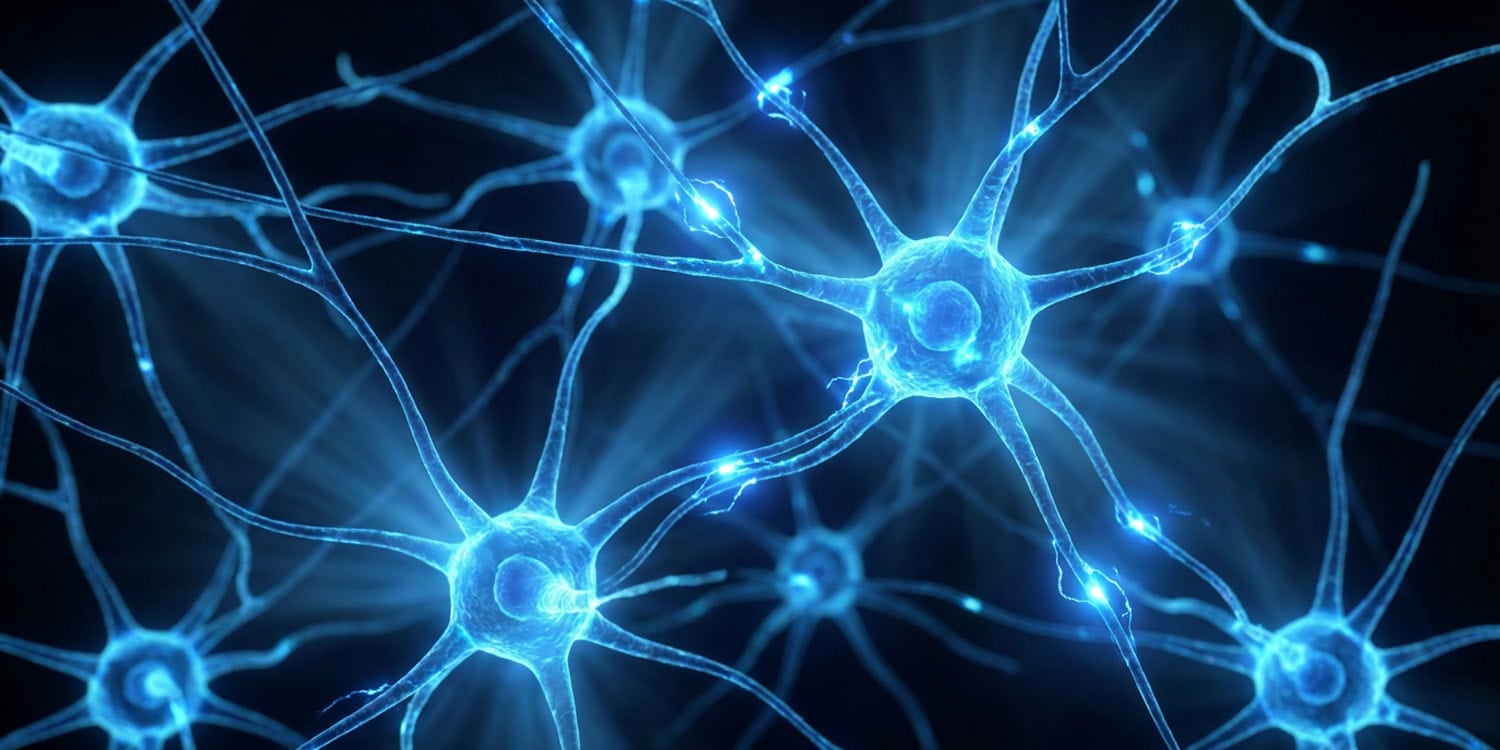
A recent study demonstrates that slow nasal breathing activates a specific pathway from the nose to the brain's emotional centers, directly reducing anxiety. In contrast, rapid breathing tends to increase anxiety levels. The findings, published in the Proceedings of the National Academy of Sciences, indicate that a routine practice of slow breathing may offer lasting relief from anxiety-like symptoms.
Read More
Practices such as yoga and meditation emphasize slow, rhythmic breathing to promote calmness. While the lower brainstem controls automatic breathing, the sensation of air in the nasal cavity sends critical signals to the brain. During inhalation, airflow activates olfactory sensory neurons in the nasal cavity, which detect both odors and mechanical pressure.
Previous research highlighted the influence of nasal signals on emotional states, showing that breathing routes and rhythms can modulate brain activity. Notably, a 2016 study suggested that nasal inhalation could enhance the recognition of fearful faces. However, the precise mechanisms by which nasal signaling impacts emotions remained unclear.
Ruiqi Wu, a professor at the Institutes of Brain Science at Fudan University, explained that while the concept of breathing's calming effects is ancient, the underlying neuroscience was poorly understood. Wu added, "The airflow itself is the signal. Its frequency alone shifts anxiety up or down, independent of conscious control."
To investigate this further, researchers, led by Xinsong Guo, conducted a series of experiments on mice. They established slow (two breaths per second), moderate (four breaths), and fast (seven breaths) breathing rates to manipulate nasal signals.
Using optogenetics, the team modified the olfactory sensory neurons in mice to react to light, allowing control over the speed of neuronal firing without altering the mice's actual breathing patterns. Behavioral assessments indicated that when the nasal neurons were stimulated at a slow rate, the mice exhibited less anxiety by spending more time in open areas of testing arenas. Conversely, fast stimulation prompted avoidance of open spaces.
"How you breathe through your nose is not just a reflection of your emotional state; it is an input your brain actively reads," Wu stated. Slow nasal breathing was shown to activate a brain circuit that decreases anxiety, while fast nasal breathing elicited heightened anxiety responses.
The research team examined electrical activity in the perirhinal cortex, a brain region linked to memory and olfactory input. They found that slow stimulation increased high-gamma wave activity, which correlated with reduced anxiety levels in the mice. The researchers mapped the pathway of these signals from olfactory sensory neurons to the mitral cells in the olfactory bulb, then to parvalbumin-positive interneurons in the perirhinal cortex, and finally to the basolateral amygdala, associated with fear and anxiety processing.
The study revealed a precise mechanism: nasal input frequency alone significantly impacted anxiety-related behavior, demonstrating bidirectionality in how slow input calms and fast input aggravates feelings. Further validation was conducted using chemogenetics, showing activation of specific cells in the perirhinal cortex resulted in decreased anxiety in mice.
In an additional phase of the research, mice experiencing chronic anxiety-like states were subjected to two hours of slow stimulation daily for two weeks. This intervention restored normal behavior and high-gamma wave levels, with calming effects lasting for at least a week post-treatment.
Ruiqi Wu emphasized the significance of these findings, noting that although the study was conducted on mice, it establishes key principles regarding the nasal input's role in the anxiety system. Future research aims to translate these findings to humans and explore how nasal stimulation could help address anxiety disorders.
The study also noted the necessity of including female mice in future research, as hormonal fluctuations might influence the brain circuit's operation. Wu advised that humans should focus on slow nasal breathing rather than mouth breathing to engage this beneficial circuit. The research could prompt new directions in clinical anxiety treatment, highlighting the untapped potential of the nasal pathway in regulating emotional states.
The full study, titled "A nose-to-brain circuit underlies anxiety regulation by nasal afferent frequency in mice," was authored by Xinsong Guo and co-researchers.