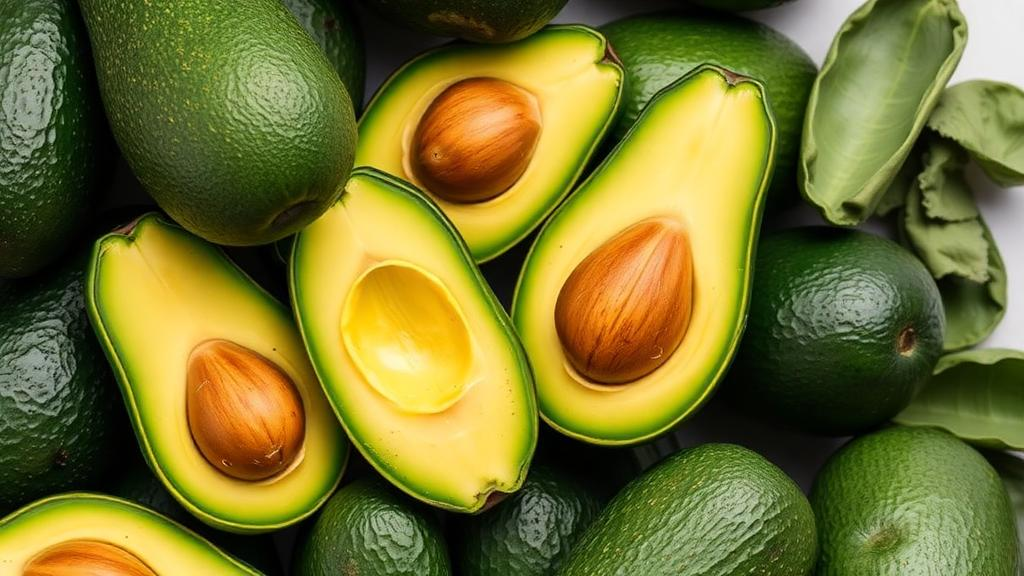
The avocado oil industry generates significant waste, with roughly thirty percent of the fruit—comprising pulp, seeds, and peels—often discarded or fed to animals. This waste is rich in protein, polyphenols, and dietary fiber. A collaborative research team from Thailand and the United Kingdom has introduced a three-stage process that transforms this avocado waste into a high-performance protein ingredient. Their study, published in the Journal of Agriculture and Food Research, outlines a method that includes supercritical carbon dioxide defatting, the use of a food-grade deep eutectic solvent, and microwave heating, resulting in avocado proteins with enhanced purity, solubility, nutritional value, and antioxidant properties compared to traditional alkaline extraction methods.
Read More
Traditional plant protein isolation techniques typically use sodium hydroxide for extraction, followed by pH adjustment to precipitate proteins. While this method is cost-effective, it has significant downsides. It requires corrosive chemicals, lengthy extraction times, and can lead to protein denaturation and a loss of amino acids. Additionally, this standard approach yields only 18 to 20 percent protein content, rendering much of the recovered powder as impurities.
In this new study, the researchers first employed supercritical fluid CO2 extraction at a gentle temperature of 35 degrees Celsius, utilizing ethanol as a co-solvent to extract residual oil from the defatted avocado cake. This step not only cleans the material but also prevents the formation of lipid-protein complexes that can produce undesirable flavors. Previous research has indicated that this method retains the functionality of proteins better than traditional organic solvents.
The innovative aspect of their process lies in the use of deep eutectic solvents, which are created by mixing a hydrogen bond acceptor, choline chloride, with a hydrogen bond donor, glycerol, along with water. This biodegradable and low-toxicity solution can penetrate the plant matrix effectively, maintaining a near-neutral pH to preserve protein quality.
A challenge posed by the deep eutectic solvent is its high viscosity, which hampers molecular movement. The researchers addressed this by incorporating microwave heating, which significantly lowers the viscosity and enhances the solvent's ability to penetrate the avocado cake quickly. They discovered that maintaining a microwave temperature of 60 degrees Celsius yielded the highest protein purity at 37 percent within just thirty minutes, compared to hours typically required by traditional methods.
When integrating all three techniques—supercritical defatting, deep eutectic solvents, and microwave assistance—the researchers achieved a remarkable protein content of 47.78 percent and a recovery rate of 26.40 percent. They acknowledge that some nitrogenous materials remain locked in the spent cake and propose a biorefinery approach involving sequential extractions for maximum yield.
Structural analysis of the proteins showed that the new method successfully dissociated large aggregates commonly found in conventionally extracted proteins, leading to a purer end product. The new extraction also altered the protein's conformation, increasing its water solubility nearly fourfold while improving its foaming capacity and oil-holding capacity compared to traditional methods.
Nutritionally, the green extraction process doubled the recovery of total amino acids and improved the proportion of essential amino acids. The concentration of leucine, a vital branched-chain amino acid, nearly tripled. The resulting protein exhibited increased antioxidant activity due to the exposure of aromatic amino acids in conjunction with co-extracted phenolic compounds.
The authors highlight the environmental advantages of their integrated process, featuring reduced energy demands and safe, biodegradable solvents. If the biorefinery concept is further developed, avocado waste could be transformed into a valuable source of functional protein for the food industry.