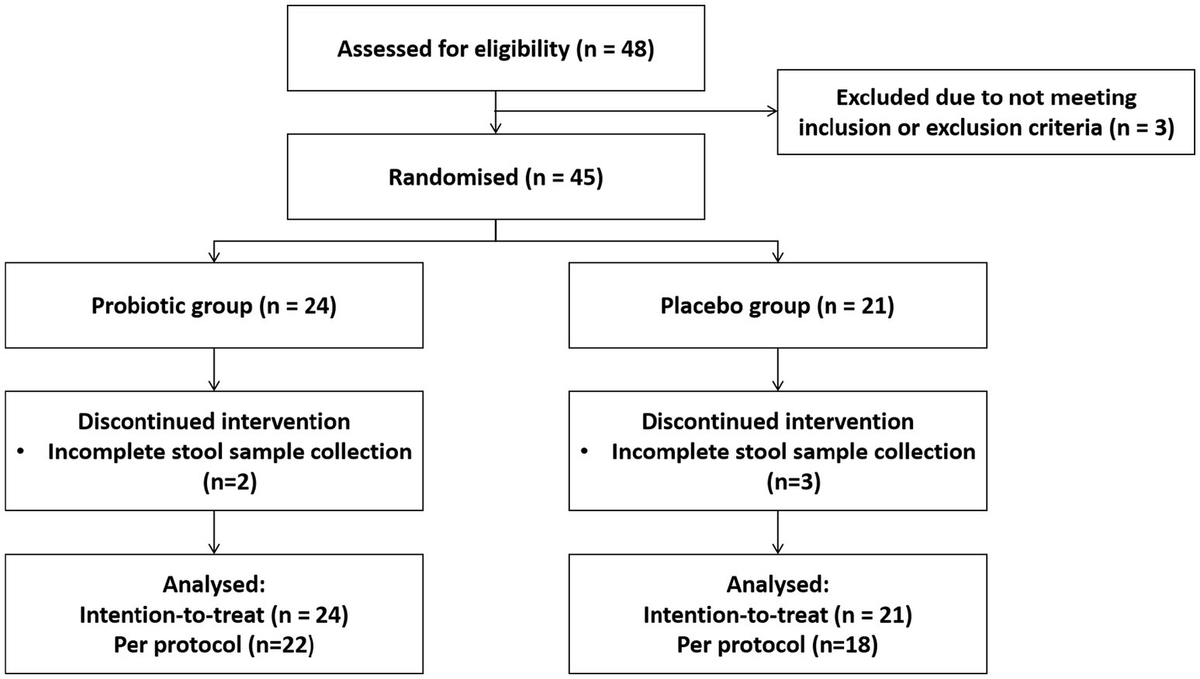
A randomized, double-blind, placebo-controlled study has assessed the impact of a multi-strain Bifidobacterium probiotic on gut microbiota stability and overall health among travelers. The trial involved 40 healthy adults making a five-day trip from China to Japan, with participants randomly assigned to receive either the probiotic (n=22) or a placebo (n=18). They took their respective treatments from Day 1 to Day 4 of their travels.
Read More
Stool samples were collected before departure and after returning to analyze changes in gut microbiota. Participants completed questionnaires regarding gastrointestinal and respiratory symptoms, sleep quality, anxiety levels, and overall well-being at various points during the study.
Results indicated that those who received the probiotics experienced enhanced microbial diversity and a preventive effect against potentially harmful bacteria. They reported fewer respiratory symptoms, such as sore throat and fatigue. Sleep duration also improved, along with a decrease in anxiety scores. The probiotic group showed better well-being scores, suggesting that probiotics may enhance physical and psychological health during travel.
Statistical analyses of the findings included assessing alpha diversity, with increased stability noted in the probiotic group compared to the control. The results indicate that short-term probiotic supplementation may support gut health and overall wellness under the stress of international travel.
The trial was registered with ClinicalTrials.gov under the identifier NCT07163819 and received ethical approval from the Tsinghua University Science and Technology Ethics Committee. The researchers suggest that probiotics could be a practical strategy for travelers seeking to mitigate environmental and dietary stressors during trips.