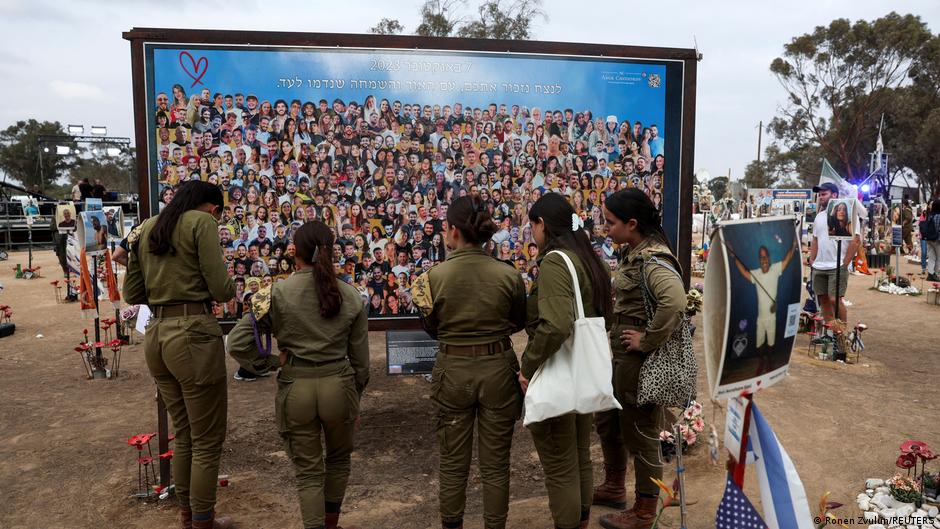
As the third anniversary of the October 7 attacks approaches, many in Israel are experiencing heightened mental health challenges. Ronen Shalev, whose family was directly impacted, describes a physical sensation of dread as this date nears.
Read More
Shalev's children attended the Nova Party in southern Israel, where nearly 400 individuals were killed in an attack executed by Hamas and affiliated groups. Overall, about 1,200 people lost their lives, and approximately 250 were taken hostage. The assault sparked a war in Gaza, resulting in significant loss of life and displacement among Palestinian civilians. Shalev’s son, Roee, survived a gunshot wound, but his partner, Mapal Adam, was killed in the attack. Tragically, Shalev's wife, Gavriela, later died by suicide, unable to cope with the grief. Roee, initially resistant to seeking help, later struggled with emotional turmoil and ultimately took his own life.
Since the events of October 2023, Israel has been confronting a mental health crisis of unprecedented proportions. A report from Israel's State Comptroller in February 2025 indicated that around 39% of the population—approximately 3 million people—reporting symptoms of post-traumatic stress, depression, or anxiety. Interestingly, the number of individuals receiving mental health care only increased by 1% since the attacks, equating to an additional 60,000 people.
The survivors of the attack and those evacuated from conflict areas are among those significantly affected. Noga Dagan-Buzaglo, a researcher from the Adva Center, highlights that while government funding for mental health services increased, it has fallen short in addressing the ongoing crisis adequately. She noted the difficulty in recruiting mental health professionals due to low wages and high workloads.
A concerning trend is the high percentage of therapists—84%—who have reported experiencing their own traumatic symptoms due to their work with the affected population, with many feeling mentally exhausted. Despite claims from Israel's Health Ministry about increasing funding and job openings, staffing shortages persist, particularly in outlying regions of the country. As a result, waiting times for public mental health services often exceed six months, with some individuals waiting over a year for treatment.
In response to these challenges, some have turned to mental health NGOs for support, a move that has also led to increased reliance on prescription medications, including sedatives and antidepressants, which have seen prescription rates rise by 13% to 17%.
Combat soldiers are a particularly vulnerable group, with a noticeable increase in suicide rates among reservists from one case per year before the conflict to 11 cases in 2024, with nine additional cases being investigated as potential suicides in 2025.
Dagan-Buzaglo emphasizes the need for a more robust mental health framework that acknowledges the long-term nature of trauma.
Shalev actively promotes mental health awareness through public speaking, believing that sharing his family’s story contributes to his healing and encourages others to seek help. He advocates for breaking the stigma surrounding mental health, particularly for those perceived as “strong,” who may be less likely to reach out for support.