A systematic review and meta-analysis published in *Frontiers in Neurology* aims to assess the effects of Tai Chi on the sleep quality of cancer patients. The analysis included randomized controlled trials (RCTs) that specifically focused on this topic.
Read More
The research examined studies from seven electronic databases and utilized the Pittsburgh Sleep Quality Index (PSQI) to evaluate sleep quality. Heterogeneity among studies was analyzed using Cochran's Q and I2 tests, while Egger's test assessed publication bias. Sensitivity analysis was performed to ascertain the influence of each individual study on overall results.
The meta-analysis included three RCTs with moderate methodological quality conducted in China, involving a total of 145 participants. The findings indicated that Tai Chi significantly improved sleep quality, with a weighted mean difference (WMD) of −3.34 (95% CI: −4.42, −2.27, p < 0.0001). No publication bias was detected among the studies (p = 0.394).
The introduction emphasized that cancer significantly affects quality of life across various domains. In 2022, about 20 million new cancer cases were reported globally, with 9.7 million cancer-related deaths. Sleep disorders, including insomnia, are prevalent among cancer patients and can severely diminish quality of life. Previous meta-analyses have indicated that a substantial percentage of cancer patients experience sleep disturbances.
Current treatment options for cancer often involve chemotherapy, which can lead to side effects like nausea and anxiety. In contrast, Tai Chi, a gentle mind-body exercise, promotes physical and psychological well-being and is viewed as an accessible intervention for cancer patients.
This study sought to consolidate findings on Tai Chi’s potential as a non-pharmacological intervention to address sleep disturbances in cancer patients. The analysis followed PRISMA guidelines and registered its protocol on the PROSPERO platform.
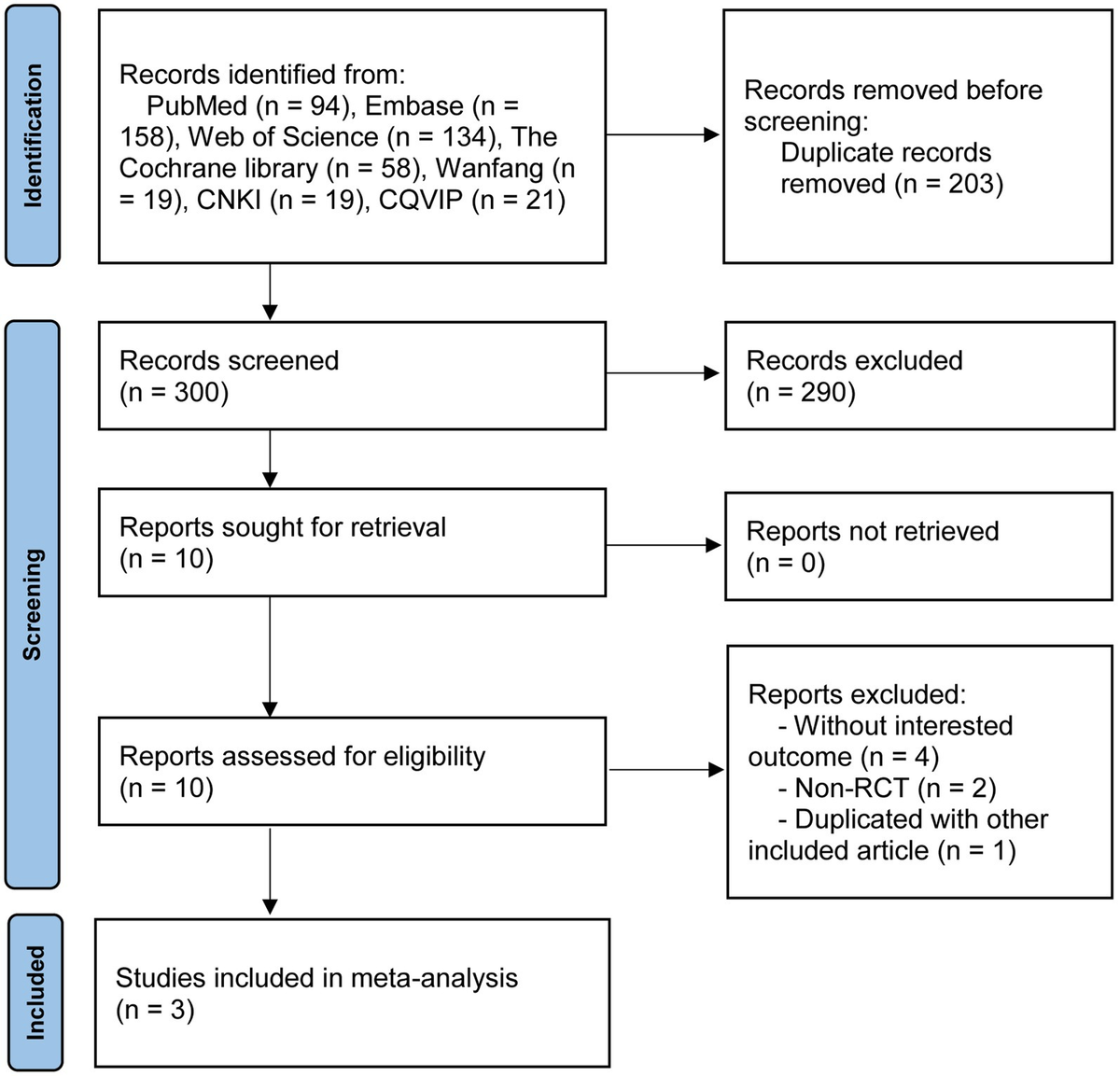
The literature search identified 503 articles; 300 remained after removing duplicates. After evaluating titles, abstracts, and full texts, three eligible RCTs were included. The selected studies were primarily focused on various types of cancer and used a 12-week Tai Chi intervention, with some employing different styles.
Each study's methodological quality was assessed, revealing moderate biases mainly due to lack of blinding and allocation concealment. The results showed a consistent pattern of enhanced sleep quality in patients engaging in Tai Chi relative to controls.
Further subgroup analyses indicated that specific cancer types, gender, and intervention duration could influence outcomes. Sensitivity analyses showed varying confidence intervals, indicating varying robustness in results depending on study inclusion.
In conclusion, the study provides preliminary evidence that Tai Chi can improve sleep quality in cancer patients. However, it highlights the necessity for more extensive, high-quality trials to confirm these findings and explore the long-term outcomes of Tai Chi interventions in this population.