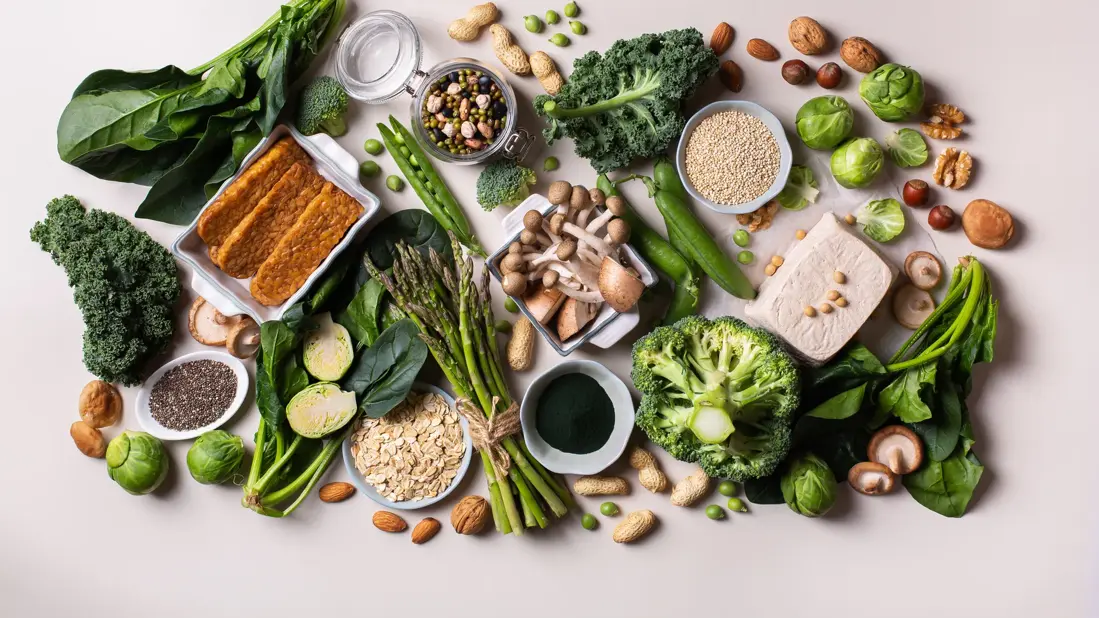
Protein is often associated with animal products like steak and eggs, but numerous plants are rich in protein as well. For those considering vegetarian or vegan diets, or simply looking to reduce meat consumption, plant-based sources like legumes, grains, and nuts can provide the necessary nutrients. Registered dietitian Julia Zumpano, RD, LD, emphasizes the benefits of incorporating whole plant foods into your diet, which can lower the risk of chronic diseases and enhance overall well-being.
Read More
To meet protein needs, Zumpano suggests adding a variety of plant-based options to your meals.
**Soy products** offer complete proteins, supplying all essential amino acids. Different forms of soy provide 8 to 18 grams of protein per serving. Tofu can replace meat in recipes and serve as a base for desserts, while tempeh works well in sandwiches or salads.
**Legumes** are another excellent source, with half a cup of beans providing 6 to 9 grams of protein, and cooked lentils contributing about 12 grams. They can also aid in lowering cholesterol and blood pressure. Zumpano recommends adding beans and lentils to soups, curries, tacos, or salads.
**Seeds** generally contain about 7 to 8 grams of protein per ounce and also support bone and brain health. Chia seeds, flaxseeds, and pumpkin seeds are examples. Zumpano suggests sprinkling seeds on oatmeal or trying chia seed pudding.
**Nuts** provide about 6 to 7 grams of protein per quarter-cup serving. Peanuts stand out with 9 grams. Nuts are also rich in fiber and essential vitamins. A handful can be an easy snack, or natural nut butter can enhance toast with protein and healthy fats.
**Grains**, often seen as carbohydrate sources, also contribute protein; for instance, half a cup of oats has 5 grams. Whole grains can help lower blood pressure and cholesterol levels. Zumpano recommends making grain bowls with your choice of grains for a nutritious meal.
Some vegetables offer modest protein amounts, like spinach and Brussels sprouts, with 4 to 5 grams per cup. Other notable sources include seitan, bok choy, and nutritional yeast, which adds 2 grams of protein per tablespoon.
To incorporate more plant-based proteins, Zumpano advises maintaining a stocked pantry with items like canned beans, hummus, and frozen edamame for convenience. Starting with simple swaps, such as using lentil pasta or hummus instead of mayo, can be effective. Plant-based milk alternatives, like soy or pea milk, can match cow's milk in protein content.
Making plant proteins the focus of your meals—such as featuring baked tofu in stir-fries—is another strategy. Zumpano encourages gradually expanding your plant protein intake, suggesting that even adding one plant protein to each meal can yield results.