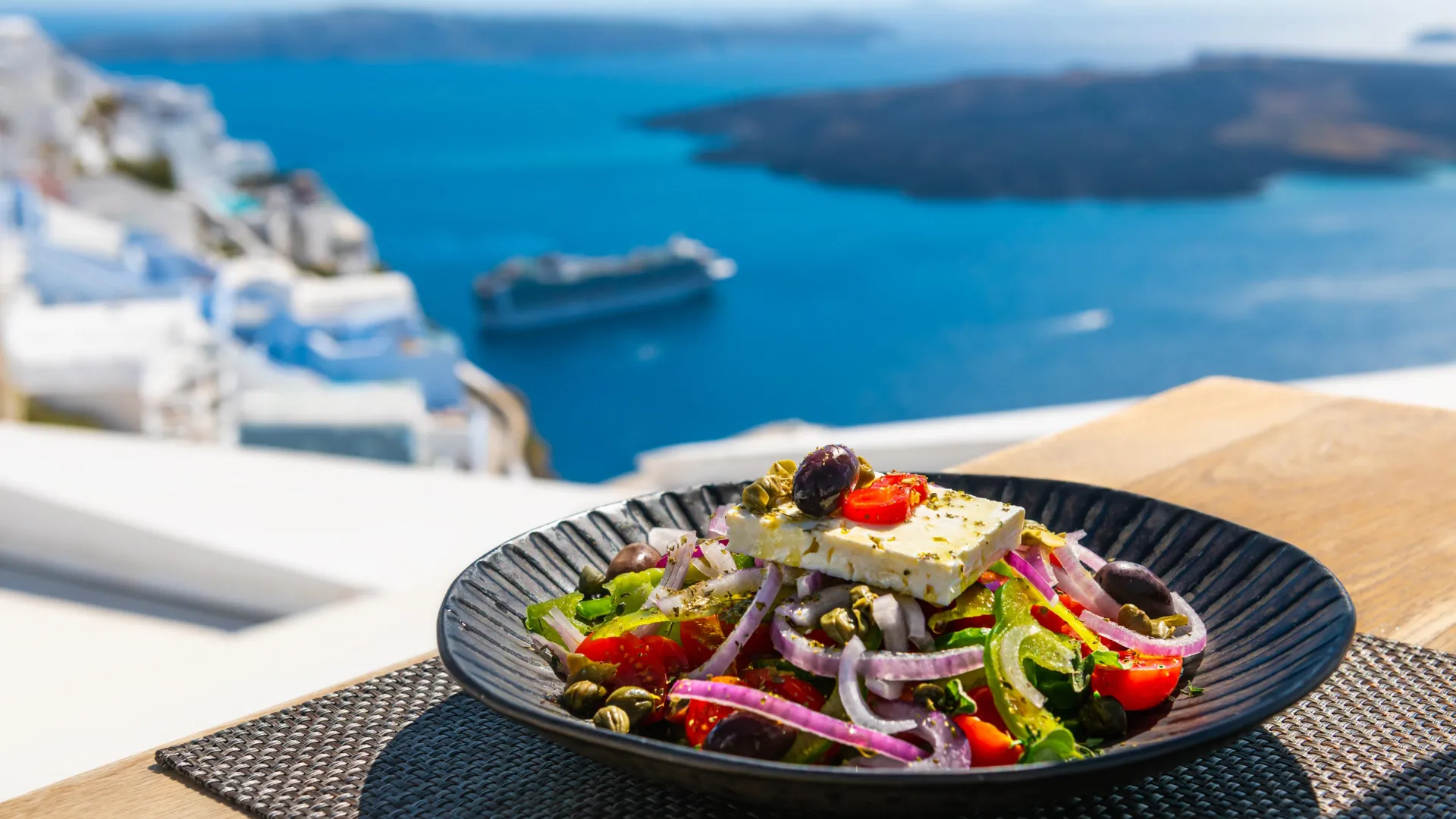
Research published on February 4, 2026, in Neurology Open Access indicates that women who adhere to a Mediterranean-style diet may experience a reduced risk of stroke. The study highlights a strong association between the diet and lower stroke rates, although it does not establish a direct causal relationship.
Read More
The study examined 105,614 women aged around 53, all without a history of stroke at the outset. Participants completed a detailed diet questionnaire, which was used to assign scores reflecting how closely their diets adhered to Mediterranean guidelines. Those consuming more whole grains, fruits, vegetables, legumes, olive oil, and fish scored higher. Conversely, a lower intake of red meat and dairy was also rewarded with points. Approximately 30% of participants scored between six and nine, indicating strong adherence to the diet, while about 13% scored between zero and two, indicating lower adherence.
Over an average follow-up of 21 years, researchers recorded 4,083 strokes, including 3,358 ischemic strokes—caused by blocked blood flow to the brain—and 725 hemorrhagic strokes—resulting from ruptured blood vessels. Among women with the highest diet scores, there were 1,058 ischemic strokes, compared to 395 in the lowest scoring group. For hemorrhagic strokes, 211 cases occurred in the highest group versus 91 in the lowest.
After adjusting for factors such as smoking, physical activity, and hypertension, women with the highest Mediterranean diet scores had an 18% lower overall stroke risk, a 16% lower risk of ischemic stroke, and a 25% lower risk of hemorrhagic stroke.
Sophia S. Wang, PhD, a researcher at City of Hope Comprehensive Cancer Center, remarked on the significance of the findings, noting their potential implications for stroke prevention given that stroke is a leading cause of death and disability. Wang emphasized the need for further studies to confirm these results and understand the underlying mechanisms.
The study's limitations include the reliance on self-reported dietary information, which may affect the accuracy of participants' reported eating habits. Funding for the research came from the National Institute of Neurological Diseases and Stroke.