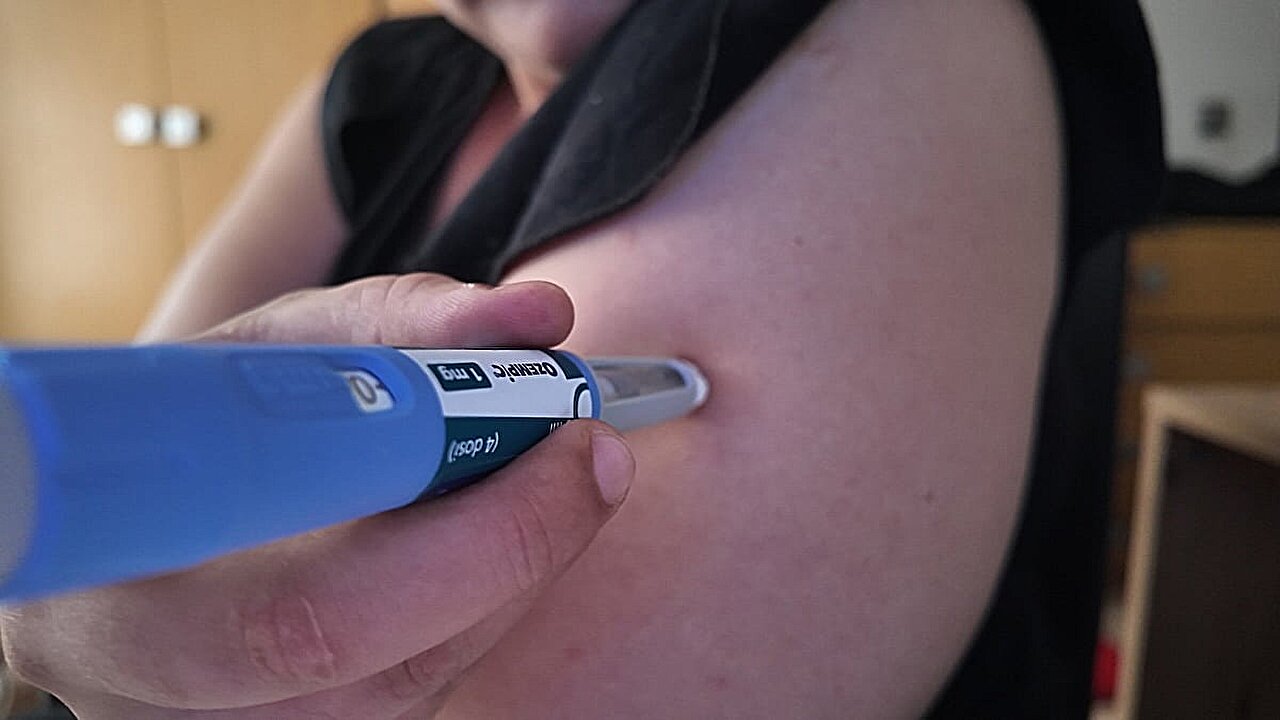
Research published in JAMA Network Open indicates that GLP-1 weight-loss medications, such as Ozempic and Zepbound, could help alleviate symptoms of sleep apnea in obese patients with type 2 diabetes.
Read More
The study found that patients taking GLP-1 drugs were less likely to require a CPAP machine for sleep apnea. Additionally, these patients experienced a reduced risk of hospitalization and mortality. The lead researcher, Yong Chen, a biostatistics professor at the University of Pennsylvania, noted that these findings are consistent with recent trials suggesting that GLP-1 drugs, particularly tirzepatide, may improve sleep apnea severity, potentially via weight loss and metabolic changes.
Sleep apnea is characterized by the relaxation of throat muscles, which can obstruct the airway and interrupt breathing during sleep. CPAP machines provide continuous air pressure to keep airways open.
The study analyzed medical records of over 93,000 individuals with obesity, type 2 diabetes, and sleep apnea prescribed GLP-1 medications. Results showed that those on GLP-1 drugs were 8% less likely to need a CPAP machine after an average follow-up period of nearly one year. Moreover, they were 32% less likely to die from any cause and 10% less likely to be hospitalized.
Dr. Gary Wohlberg from Northwell Health's South Shore University Hospital Sleep Lab acknowledged the findings, highlighting the overall health benefits of GLP-1 drugs, which can assist with weight loss and potentially cardiovascular issues.
Wohlberg explained that excess fatty tissue can constrict airways, making them more susceptible to collapse during sleep. He added that patients should consider their sleeping position, as sleeping on their back can exacerbate sleep apnea.
The study's publication is led by Huilin Tang and explores the relationship between incretin receptor agonists and CPAP use in adults suffering from diabetes, obesity, and obstructive sleep apnea.