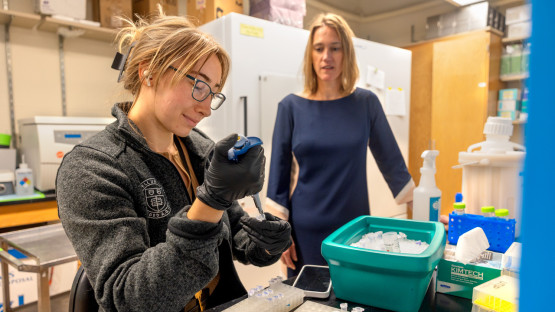
A new study from Cornell University highlights the complex role of Vitamin B12 in human health, suggesting it influences aging, metabolism, and disease prevention beyond its established functions related to red blood cell formation and nerve function. Published on January 19 in the Journal of Nutrition, the research identifies novel pathways through which B12 affects cellular metabolism and introduces biomarkers that could detect early nutritional stress before classic deficiency symptoms arise.
Read More
Martha Field, Ph.D., associate professor in the Division of Nutritional Sciences, stated, "This is the first study that shows B12 deficiency affects skeletal muscle mitochondrial energy production." She noted the significance of this finding, as muscle tissue has high energy requirements. Co-author Anna Thalacker-Mercer from the University of Alabama at Birmingham found that B12 supplementation improved muscle mitochondrial function in aged mice.
Previous research primarily concentrated on the clinical consequences of B12 deficiency, such as megaloblastic anemia and cognitive decline. The Cornell team, including first authors Luisa Castillo and Katarina Heyden, investigated the vitamin's deeper mechanistic roles. Their research revealed that B12 plays a critical role in lipid metabolism, organelle stress pathways, and epigenetic regulation, acting as a gatekeeper for various biological pathways.
Field commented on their observations in mice, indicating that B12 deficiency appears to hinder the growth and maintenance of muscle mass, tying low B12 levels to reduced muscle mass and possibly lower strength. B12 deficiency is notably common internationally, particularly among older adults and in low-income areas with limited meat consumption, a primary source of B12. Estimates suggest that one in four older adults in developed countries may have suboptimal B12 status, highlighting the need for timely screening and intervention.
Furthermore, the study correlates with growing evidence that micronutrient insufficiency contributes significantly to chronic diseases. While outright B12 deficiency is less common in developed countries, suboptimal levels remain prevalent among older adults, vegans, vegetarians, and those with malabsorption issues. The findings suggest even marginal B12 deficiency could weaken resilience to metabolic stress, immune challenges, and accelerate aging.
From a clinical perspective, the authors propose that B12-based biomarkers might facilitate personalized nutrition strategies. Rather than applying uniform supplement guidelines, nutrition advice could adapt B12 intake to individual metabolic and lifestyle needs, moving towards precision nutrition. Field emphasized that these findings, although based on cell models, pave the way for future controlled trials to further explore these mechanisms.