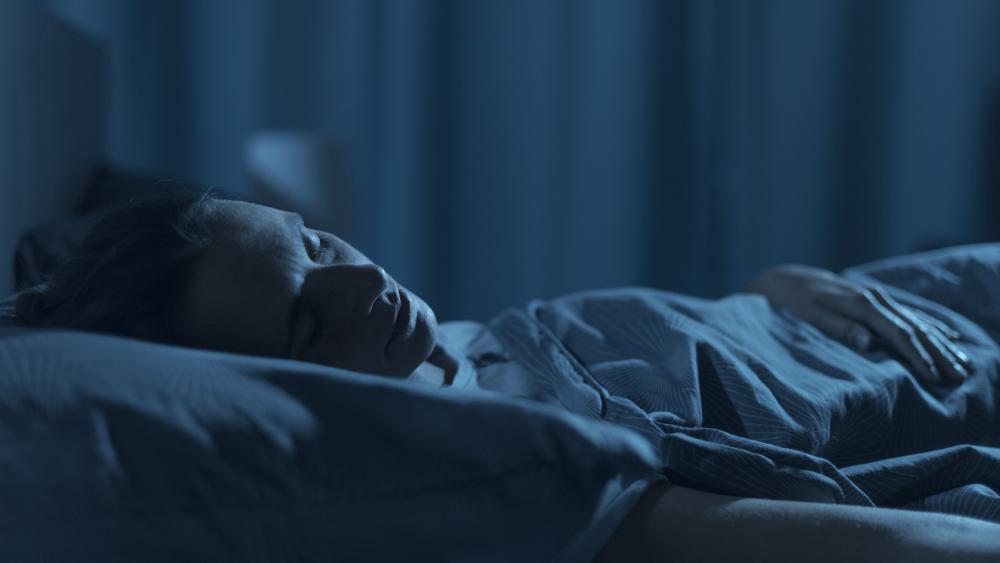
A recent study led by researchers at Penn State emphasizes the significance of a suitable sleep environment for young adults. According to Adwoa Dadzie, a doctoral candidate in biobehavioral health, living conditions such as college dormitories and cramped apartments often expose young adults to noise, light, and uncomfortable temperatures, which can hinder sleep quality.
Read More
Published in Sleep Health, the study surveyed young adults and found that while their overall sleep duration was not significantly impacted, their sleep quality was adversely affected by overly bright, hot, or noisy bedrooms. It was noted that excessive cold did not significantly disrupt sleep quality according to objective measurements.
Dadzie stated that young adults frequently lack control over their sleeping environments, which may lead to long-term health consequences. The research highlighted that simple adjustments such as using earplugs or blackout curtains could considerably enhance sleep quality for those in suboptimal environments.
The study suggests that a comprehensive understanding of sleep goes beyond the number of hours spent in bed. Factors such as the time taken to fall asleep, the frequency of awakenings during the night, and the overall quality of sleep are critical measures. Participants included 372 young adults, averaging 22 years in age, who tracked their sleep habits over 14 days, reporting disturbances caused by light, noise, and temperature while also wearing wrist sensors to objectively measure their sleep patterns.
Findings revealed that bright sleeping conditions delayed sleep onset and increased nighttime awakenings, while heat and noise correlated with poorer sleep quality as reported by participants and the sensors. Co-author Orfeu Buxton noted that sleep is particularly sensitive to environmental noise because the brain remains alert to potential threats even during sleep.
Interestingly, the study revealed that disruptions in the sleeping environment did not impact the total duration of sleep, a finding that hints young adults may have the flexibility to compensate for disturbances. The researchers opted to focus on participants' perceptions of environmental factors, as individual perceptions of noise and light can vary widely.
Buxton, who is also the associate director of the Penn State Social Science Research Institute, stressed the importance of developing good sleep habits during young adulthood, as foundational habits learned at a young age can influence lifelong health outcomes.
The research team also provided practical recommendations for addressing sleep disruptions, emphasizing the use of earplugs, noise-cancelling devices, sleep masks, or blackout curtains. Other contributors to the study included Yuqi Shen, Lindsay Master, Timothy Brick, and Anne-Marie Chang of Penn State, along with collaborators from several other institutions.
The study received funding from the Eunice Kennedy Shriver National Institute of Child Health and Human Development and a coalition of private foundations. The opinions expressed do not necessarily reflect those of the funding organizations.