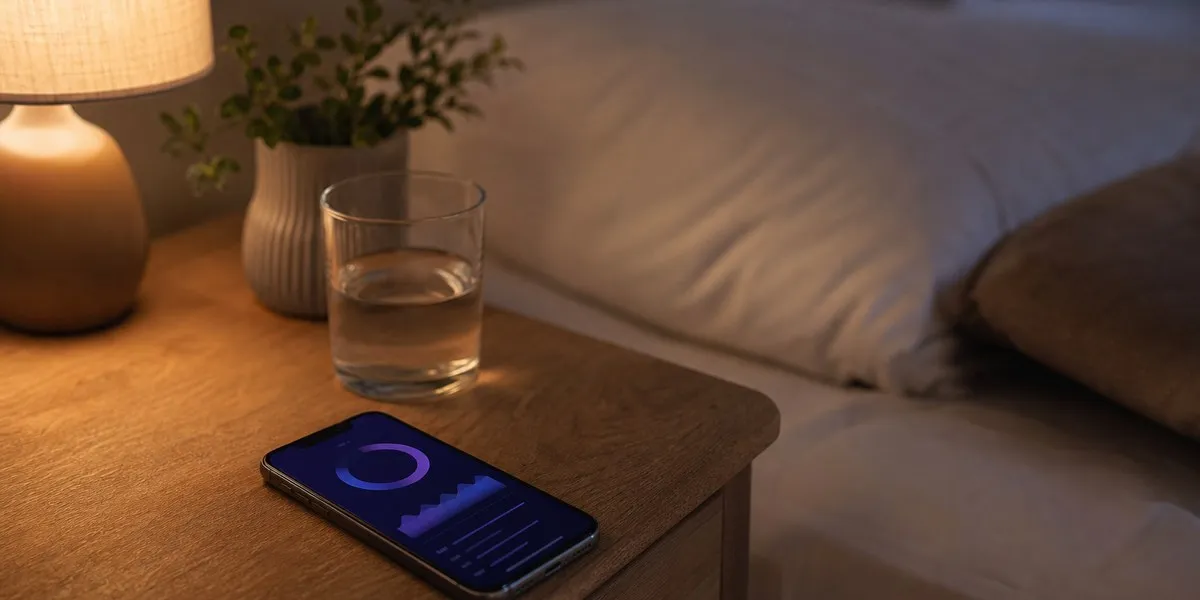
Joshua Tal, a columnist for TIME, highlights how the obsessive tracking of sleep quality can exacerbate insomnia. This phenomenon, termed orthosomnia, reflects an unhealthy preoccupation with achieving "perfect" sleep, leading to heightened anxiety about sleep itself.
Read More
Tal recounts the story of a patient who, after months of poor sleep and persistent fatigue, became fearful of going to bed. She frequently checked her sleep score, which was a low 61 out of 100. He notes that regular difficulties in sleeping can escalate into a more severe issue due to the pressures of constant monitoring and adherence to rigid sleep rules.
While common recommendations such as maintaining a consistent bedtime, avoiding screens before sleep, and cutting caffeine after noon are well-intentioned, Tal warns that treating these guidelines as strict mandates can increase anxiety after a disappointing night of rest.
He observes that some individuals may experience feelings of shame for certain behaviors, such as using their phone in bed or having a glass of wine, even though responses to these habits vary significantly. For instance, some anxious sleepers may find television helps them relax, while shift workers or those dealing with jet lag may need to limit screen time strictly.
Tal emphasizes that traditional sleep hygiene practices were derived from general trends linking behavior to sleep quality but often overlook personal needs. He references a substantial study by British researchers, which showed that distributing sleep hygiene pamphlets had minimal impact on improving outcomes, whereas a brief course of behavioral treatment proved to be more than twice as effective.
The American Academy of Sleep Medicine also cautions against relying solely on sleep hygiene as a treatment for chronic insomnia. Tal advocates for a more personalized approach, suggesting that individuals test specific habits individually and develop tailored strategies instead of viewing each night as merely a success or failure.