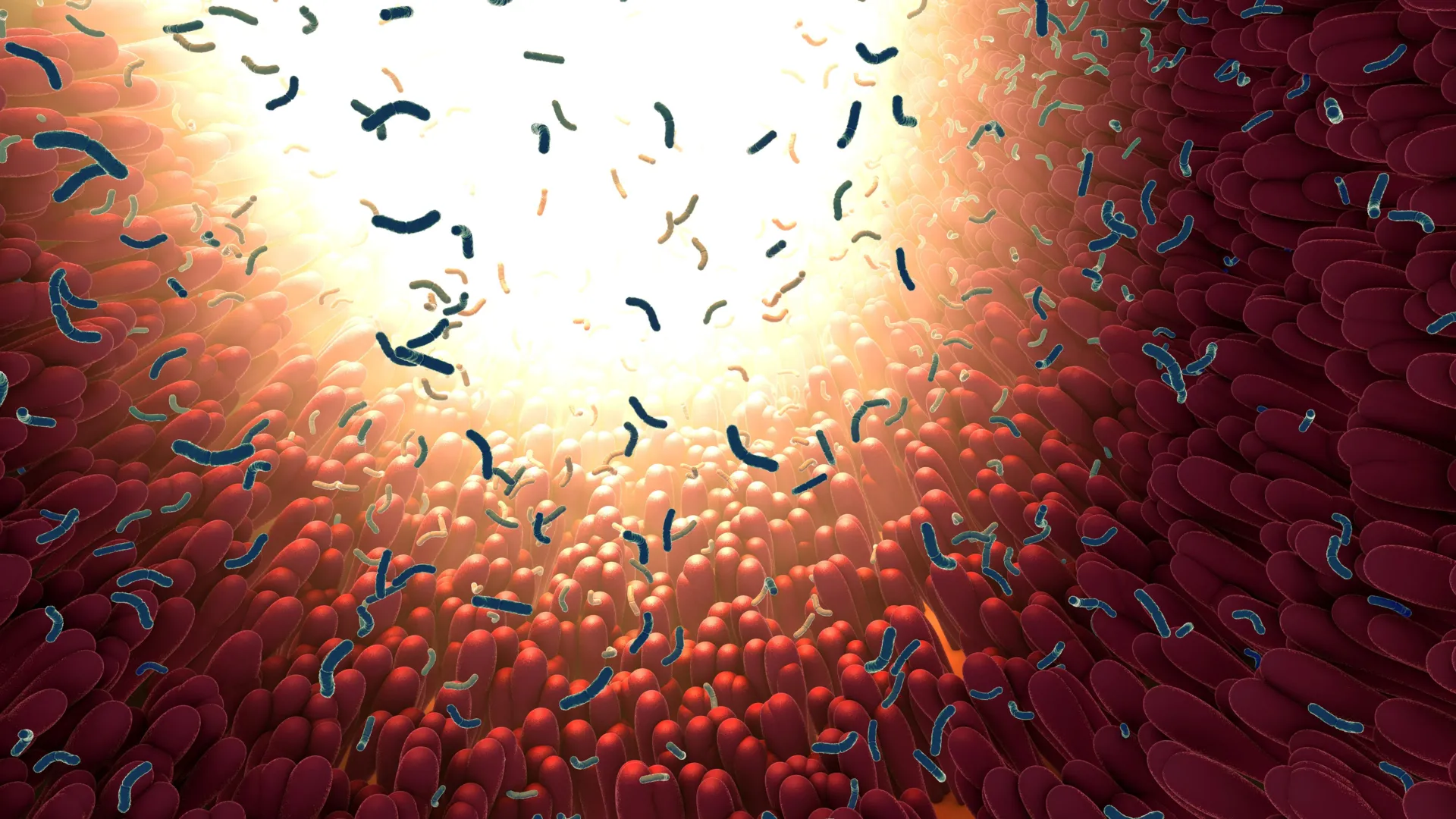
A recent study led by researchers at Arizona State University highlights that the calorie counts on food labels may not accurately reflect the actual calories absorbed by the body. This discrepancy is attributed to the complex role of the trillions of microorganisms residing in the digestive system, which influence the digestion and absorption process.
Read More
The research team developed a mathematical model called DAMM (digestion, absorption, and microbial metabolism) to investigate how food moves through the digestive tract, what energy the body absorbs directly, and how gut microbes process remaining materials. The model aims to enhance understanding of metabolic disorders like obesity and diabetes, potentially leading to personalized dietary recommendations in the future.
Professor Rosa Krajmalnik-Brown, director of ASU's Biodesign Center for Health Through Microbiomes, emphasized the collaboration between human metabolism and gut bacteria. The research team included ASU Professor Bruce Rittmann, who also contributed to the study alongside graduate research assistant Taylor Davis and scientists from the AdventHealth Translational Research Institute in Orlando, Florida. The findings were published in PLOS One.
Traditional Calorie Count Limitations
For over a century, scientists have relied on Atwater parameters, which average the caloric content of fats, carbohydrates, and proteins to estimate energy from food. However, this method overlooks how various foods affect gut bacteria and the subsequent transformation of undigested components into usable energy, particularly short-chain fatty acids produced from fiber breakdown by gut microbes.
In a clinical study, healthy adults were placed on two diets: a microbiome-enhancer diet rich in fiber and resistant starch and a typical Western diet lower in fiber. Participants on the Western diet absorbed about 116 more calories daily compared to those on the fiber-rich diet, despite similar hunger reports.
These results suggest that the energy obtained from food is influenced by its composition and digestive process, with fiber content and microbial activity playing significant roles.
Impact of Gut Microbes on Calories Absorbed
The DAMM model provides a detailed analysis of energy absorption in the digestive system. It evaluates the nutrient content of a diet and the initial energy absorbed before the food reaches the colon, where gut microbes further break down remaining material to produce short-chain fatty acids that contribute to additional energy absorption.
Researchers estimated that gut bacteria provide around 140 calories daily, accounting for approximately 7.4% of the total energy from food. The model indicates that about 85% of usable energy is derived from the upper gastrointestinal tract, while 15% comes from the lower tract, underscoring the significant role of microbial processes in digestion.
When comparing DAMM's predictions with actual dietary measurements, it was found that the model gave more accurate estimates of calorie absorption than the conventional Atwater method, which typically underestimates absorbed calories.
Understanding Fiber's Role in Energy Absorption
The DAMM model illustrates how different diets affect caloric intake. The microbiome-enhancer diet supplied more fermentable material to the colon, leading to higher production of short-chain fatty acids by gut microbes, a phenomenon corroborated by the clinical trial findings.
However, despite increased microbial activity and fatty acid production, participants on the higher-fiber diet absorbed fewer net calories than those on the Western diet. The model helps differentiate between direct energy absorption from food and energy generated by microbial metabolism, offering greater insight into these digestive processes.
Towards Personalized Nutrition
The DAMM model serves as a research framework that could lead to enhanced understanding of the interplay between diet, microbial metabolism, and energy balance, benefiting the fields of obesity and diabetes research. While the model is not yet ready for clinical application, it has the potential to inform personalized nutrition strategies by considering not only the nutrients in food but also their interaction with individual gut microbiomes.
As research progresses, the DAMM model could evolve with new insights into nutrient and energy exchange between humans and their gut microorganisms, according to Taylor Davis.