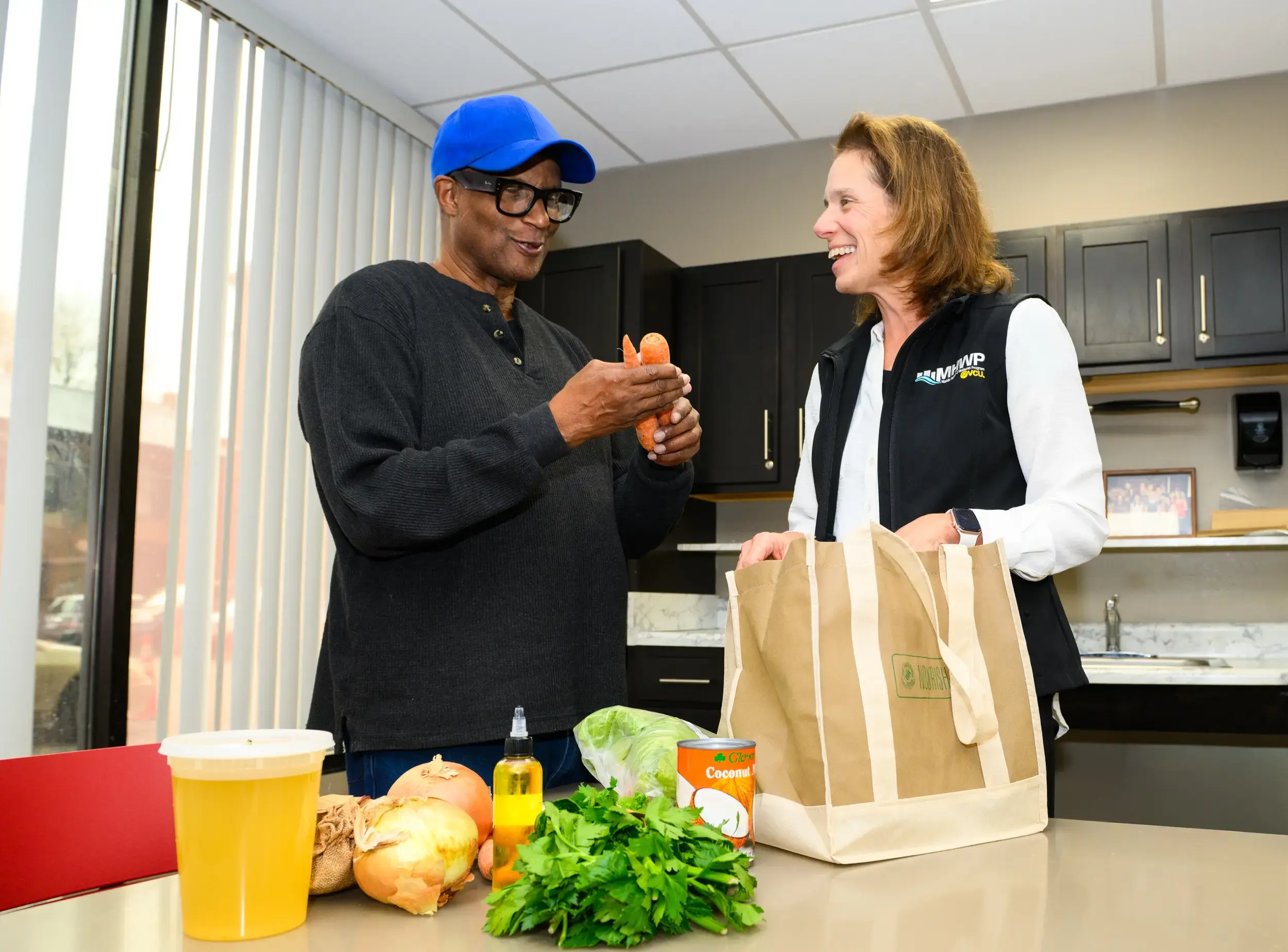
The Prescription Produce Program (PPP) at Virginia Commonwealth University (VCU) has been helping individuals like Curtis McClendon improve their nutrition and manage chronic health issues. Previously reliant on fast food, McClendon now prepares his meals after participating in the program for two years. "It’s helped me in a lot of ways," he said, noting the limited options for fresh groceries in his Richmond neighborhood.
Read More
The PPP, which operates within the School of Nursing’s Mobile Health and Wellness Program, screens participants for food insecurity, facilitates access to fresh produce, and promotes nutrition. In light of research linking diet to chronic health conditions, such programs are increasingly being integrated into clinical practices.
Ana Diallo, Ph.D., an assistant professor in the Department of Adult Health and Nursing Systems, has been overseeing the program since its implementation in 2022 and recently evaluated its effectiveness over six- and 12-week intervals. "We are focusing on the effectiveness of the program. Starting this year, with funding from a Centene Foundation Grant, we will measure impact," Diallo explained. She advocates for research that could guide policies supporting food-focused health interventions, like the PPP, in chronic disease management.
Partnerships with local organizations such as Shalom Farms and The Underground Kitchen Community First bolster the program, providing the necessary produce and assistance. Shalom Farms has collaborated with the PPP since 2021 and has provided resources since 2016. The program helps ensure participants receive a bag of ingredients with every delivery, including recipes and shelf-stable proteins.
According to Katherine Falls, director of clinical operations for the Mobile Health and Wellness Program, each bag includes ingredients for a healthy, vegetable-based meal. Funding from VCU’s Virginia Center on Aging supports the distribution of around six bags weekly or biweekly to each participant, with support guaranteed through 2026.
Participants have reported increased fruit and vegetable intake and a greater sense of self-sufficiency in meal preparation. Falls noted, "Participants want to eat more vegetables and expand the different foods they cook." Health metrics, such as blood pressure and blood sugar levels, are monitored to assess the program's impact.
The PPP has reached approximately 80 to 90 adults across five clinical sites in Richmond’s East End. In September, the program launched a new 12-month pilot at two clinical sites in Petersburg, set to conclude in August 2026. This pilot will track 30 individuals receiving biweekly food bags along with lifestyle counseling and social service referrals.
Although evaluations indicate positive trends in food and nutrition security, ongoing research aims to establish effective methods for measuring health outcomes among diverse populations, with Falls emphasizing the complexity of assessing nutrition security and its vital role in implementing impactful interventions.