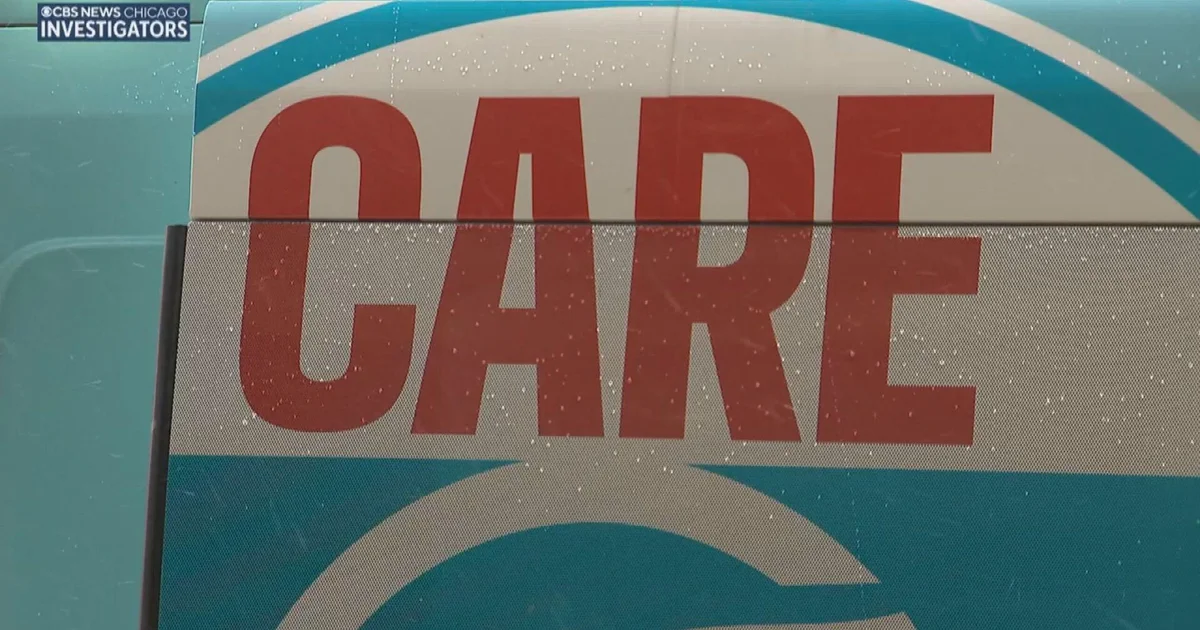
Chicago officials announced on Friday the expansion of the city’s mental health response teams, which will now include a second shift for non-police crews responding to mental health emergencies. The initiative, part of the Crisis Assistance and Response Engagement (CARE) program, will enable teams to operate during evening hours.
Read More
Effective Monday, CARE’s hours will extend to 8 a.m. to 10 p.m. on weekdays, significantly increasing availability from the previous schedule of 10 a.m. to 4:30 p.m.
"We are expanding the definition of first responders," said Mayor Brandon Johnson, emphasizing the shift towards a more mental health-focused response model. Each CARE team consists of a licensed mental health clinician and an emergency medical technician, rather than police or firefighter personnel.
Melissa Arguelles De Jesus, a mental health crisis clinician with the CARE program, described the need for support, particularly for individuals struggling with mental health diagnoses and families facing difficult situations.
The CARE program began as a pilot in 2021, initially operating in neighborhoods such as Lakeview, Uptown, Auburn Gresham, and Chatham, and has since been expanded to seven of the city’s 22 police districts before becoming citywide in May 2026.
The program faced challenges, including limited hours and staffing. A whistleblower highlighted these issues in August 2025, revealing that the program was only serving a small portion of the city. The expansion to citywide availability and increased hours aims to address these setbacks.
Tiffany Patton-Burnside, senior director of crisis services at the Chicago Department of Public Health, stated that increased operational hours are a significant step forward. When someone calls 911 with a mental health crisis, they can specifically request a CARE team, after which the call is screened for any threats.
Mayor Johnson acknowledged that encouraging people to request CARE services remains a challenge, but expressed optimism as the program gains recognition among first responders, including police officers who may request CARE support when necessary.
To meet the increased demand, CARE is currently hiring to fill vacancies and plans to add more vans and staff, with the ultimate goal of offering 24/7 services.