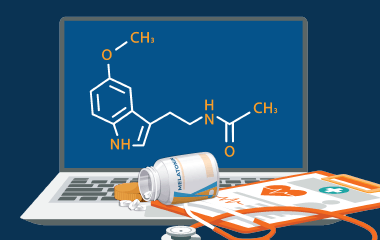
The use of melatonin as a treatment for pediatric insomnia has gained popularity over the past decade, often administered without healthcare supervision. This trend is fueled by its over-the-counter availability in the U.S. and a perception among caregivers that melatonin is a safe, natural alternative to prescription medications. However, the lack of regulatory oversight and pediatric clinical studies raises concerns regarding its safety and potential long-term effects, especially on pubertal development.
Read More
Experts emphasize the need for education among healthcare professionals and families about the benefits and risks associated with melatonin use in children. The U.S. Food and Drug Administration (FDA) classifies melatonin as a dietary supplement, which exempts it from the requirement of clinical trial data for safety and efficacy. A recent study found significant variability in the content of over-the-counter melatonin supplements for children, with levels ranging from 0% to 667% of what was labeled.
Usage of melatonin among children has surged, with reports showing that 18.5% of children aged 5 to 9 and nearly 6% of preschoolers aged 1 to 4 were given melatonin in the past month. In contrast, only 1.3% of caregivers reported administering melatonin to their children in 2017-18. Despite evidence that behavioral interventions are the preferred first-line treatment for insomnia, many caregivers opt for melatonin based on misleading information from social media and a lack of consultation with healthcare providers. This has led to inappropriate use, such as giving melatonin to very young children without clear insomnia symptoms.
Furthermore, reports of accidental melatonin ingestion in children have increased dramatically, with poison control centers noting a 530% rise from 2012 to 2021 and emergency department visits rising by 421% from 2009 to 2020 due to melatonin.
On a positive note, clinical trials have shown that melatonin can effectively reduce sleep onset latency and night awakenings among children, particularly those with autism and other neurodevelopmental disorders. However, less is known about its long-term effects on healthy children. Current research has not adequately addressed the potential for side effects or interactions with other medications in children, raising caution among experts.
The International Pediatric Sleep Association has created expert consensus-based recommendations regarding melatonin use in children. There is a significant need for further research and collaboration to establish safe practices for melatonin administration to ensure children achieve necessary sleep for their health and development. Dr. Judith Owens of Harvard Medical School, a leading expert in pediatric sleep, highlights the urgency to bridge knowledge gaps and improve outcomes in pediatric sleep health.