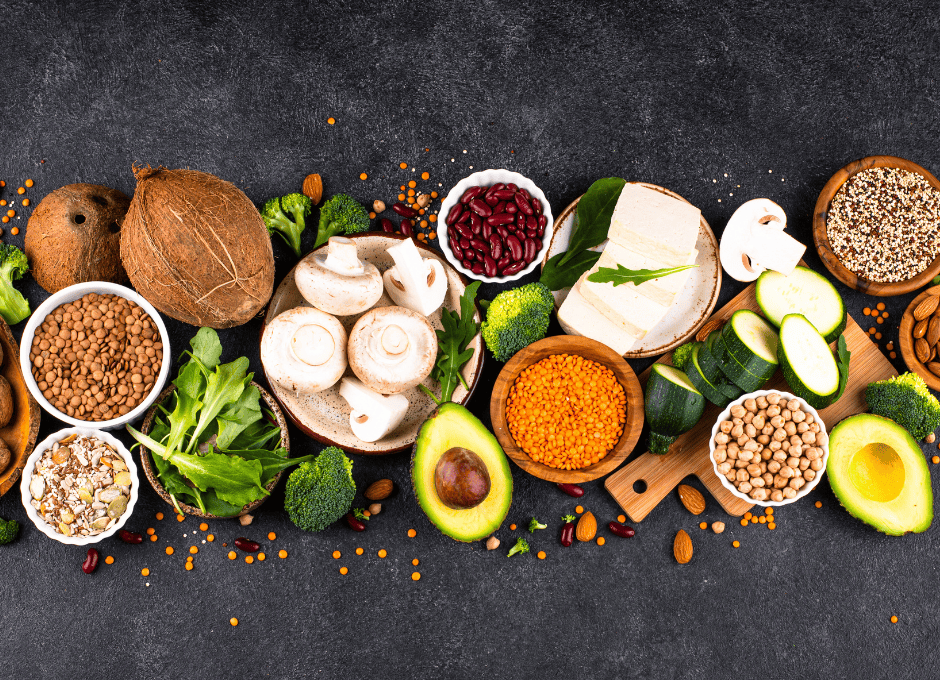
The Mayo Clinic, recognized as the top hospital worldwide by U.S. Newsweek for 2024, is working to dispel misconceptions surrounding plant-based diets. As a member of the Mayo Clinic Care Network, the Baton Rouge Clinic has access to the extensive knowledge and expertise of the Mayo Clinic.
Read More
Many individuals choose a plant-based diet for health benefits, cultural practices, or simply because they enjoy the flavors of fruits and vegetables. However, some hesitate to adopt such a diet due to widespread myths.
Dr. Christine Nguyen, a family physician at Mayo Clinic, discusses several of these misconceptions. One common belief is that plant-based diets are bland and unappetizing. Dr. Nguyen notes, “We might think of whole-food, plant-based foods as your boring old salad that is some lettuce, cucumbers and tomatoes.” However, foods like asparagus, tofu, and mushrooms can be prepared in delicious ways.
A significant myth is that it's challenging to obtain adequate protein on a plant-based diet. Dr. Nguyen points out that common protein sources include beans, legumes, nuts, and seeds. Additionally, some fear that a plant-based diet may result in nutrient deficiencies. She emphasizes the importance of a balanced diet rich in various fruits and vegetables, as the phytonutrients in these foods can enhance immune function.
To address potential deficiencies in vitamins like B12 and D, supplementation may be beneficial. It's advisable to consult with a primary care clinician regarding dietary choices.
The benefits of adopting a plant-based diet include a reduction in heart disease risk, lower blood pressure, improved gut health, effective weight management, decreased likelihood of chronic diseases, and a rich supply of essential nutrients. Moreover, such diets can help reduce one's environmental footprint.