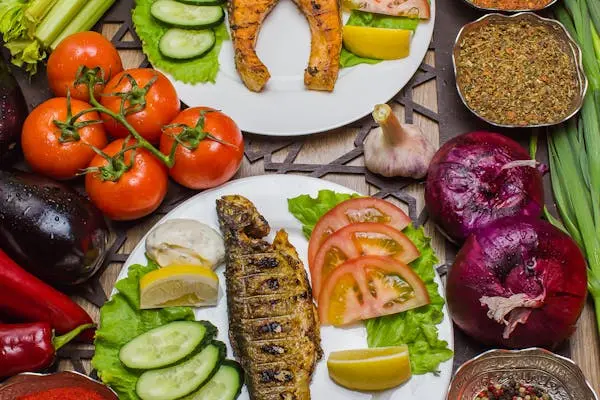
A recent long-term study has found that women who adhere closely to a Mediterranean diet rich in fish, fruits, vegetables, and olive oil have a lower risk of various types of stroke. Published in *Neurology Open Access*, the research indicates a significant correlation between this diet and improved long-term brain health.
Read More
The study followed 105,614 women, averaging 53 years of age at the start and with no prior history of stroke. Participants completed dietary questionnaires to evaluate their adherence to a Mediterranean diet, scoring from zero to nine. Points were awarded based on higher consumption of whole grains, fruits, vegetables, legumes, olive oil, and fish, alongside moderate alcohol intake, while lower scores were assigned for higher consumption of red meat and dairy. Around 30 percent of participants scored between six and nine, indicating high adherence, whereas 13 percent scored between zero and two, indicating low adherence.
Over an average follow-up period of 21 years, 4,083 strokes were recorded, including 3,358 ischemic strokes and 725 hemorrhagic strokes. Among women with the highest adherence to the Mediterranean diet, there were 1,058 cases of ischemic strokes, compared to 395 in the lowest adherence group.
After adjusting for factors such as smoking, physical activity, and high blood pressure, researchers found that women in the highest adherence group had an 18 percent lower overall risk of stroke, a 16 percent lower risk of ischemic stroke, and a 25 percent lower risk of hemorrhagic stroke compared to those with the lowest adherence.
Sophia S. Wang, a study author and professor at City of Hope Comprehensive Cancer Center, emphasized the importance of diet in stroke prevention, stating, "It’s exciting to think that improving our diets could lessen our risk for this devastating disease." Wang noted that while the findings are promising, further studies are needed to confirm the results and to understand the underlying mechanisms.