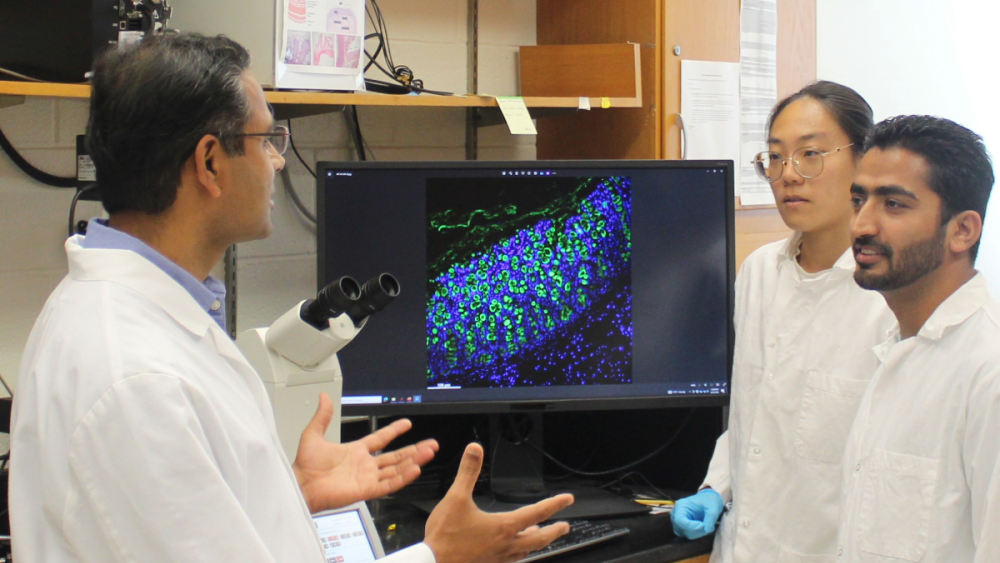
Research from Penn State University indicates that guar gum, a common dietary fiber additive found in many processed foods, may adversely affect gut health and raise the risk of inflammatory bowel disease (IBD). The study, led by Vishal Singh, assistant professor of nutritional physiology and microbiome, was conducted in collaboration with graduate and undergraduate students and researchers from both Penn State and other institutions.
Read More
Guar gum is derived from cluster beans and is widely used in products like ice cream, processed cheeses, and salad dressings for its thickening properties. In the recent study published in *Gut Microbes*, researchers found that an ultra-processed diet containing 7.5% guar gum led to severe IBD symptoms in a mouse model when compared to a control group consuming a diet with 10% cellulose.
After a four-week feeding period, mice on the guar gum diet were exposed to dextran sulfate sodium, a substance used to induce inflammation and mimic digestive diseases. These mice demonstrated significant colon inflammation and alterations in their gut microbiome, particularly an increase in the Actinobacteriota species, indicating a connection between guar gum consumption and IBD susceptibility.
Singh expressed the need to further understand the long-term effects of processed dietary fibers on gut health. He noted that, while natural dietary fibers are generally considered beneficial, the implications of refined versions like guar gum are less clear.
The study also acknowledges certain limitations, including the higher dosage of guar gum used compared to typical human consumption and the use of mouse models, which may not perfectly reflect human conditions.
Devendra Paudel, the lead author, emphasized that the findings align with previous research on other refined fibers, such as inulin, and highlight the importance of examining modern dietary fibers marketed as supplements.
The research team, which included various students and postdoctoral scholars, plans to continue exploring the effects of other refined fibers on digestive health, supported by the Crohn’s and Colitis Foundation and the National Institutes of Health.