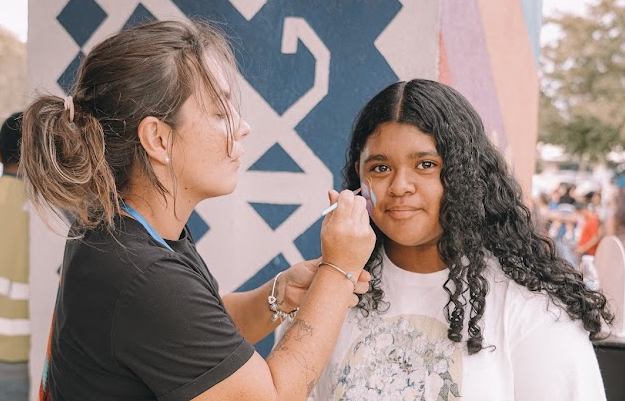
El Futuro, a Durham-based organization, is dedicated to providing bilingual mental health services for Latino and immigrant communities. Founded in 2001 by Luke Smith as a volunteer initiative to address the lack of Spanish-language services in North Carolina, El Futuro became a nonprofit in 2004.
Read More
Recent data from a 2025 survey indicated that a majority of Latino North Carolinians were uninsured, with many respondents citing cost and fears related to immigration status as obstacles to accessing healthcare.
The organization aims to create a supportive environment focused on community and optimism. Mary Pearce-Hondermann, El Futuro's Communications Manager, emphasized that their approach centers on possibilities, noting that many families come to the U.S. seeking better opportunities for themselves and their children.
Instead of asking clients what is wrong, Pearce-Hondermann stated that the organization asks how they can assist in making life easier and more fulfilling for families. Building trust between providers and clients is crucial in addressing mental health needs, particularly for those navigating the complexities of the American healthcare system.
Linda Bucay-Harari, a clinical psychologist, co-authored an article examining mental healthcare needs in Latino populations. She noted that a significant number of Latinos seek care for mental health issues due to trauma, while also highlighting the community's resilience. Increasing fears of detention among immigrants have contributed to a decrease in health center visits among adult populations.
El Futuro also caters to Latino youth, offering programs designed to help them navigate the stress that can accompany cultural adjustment. Sofia Vargas, a Brazilian immigrant who moved to the U.S. in 2019, described feeling overwhelmed and isolated due to language barriers and cultural differences.
Pearce-Hondermann pointed out that El Futuro distinguishes itself through its focus on community-building and helping individuals navigate various resources in a new and unfamiliar environment, reinforcing that the real challenge lies in overcoming barriers rather than differences in mental health needs.