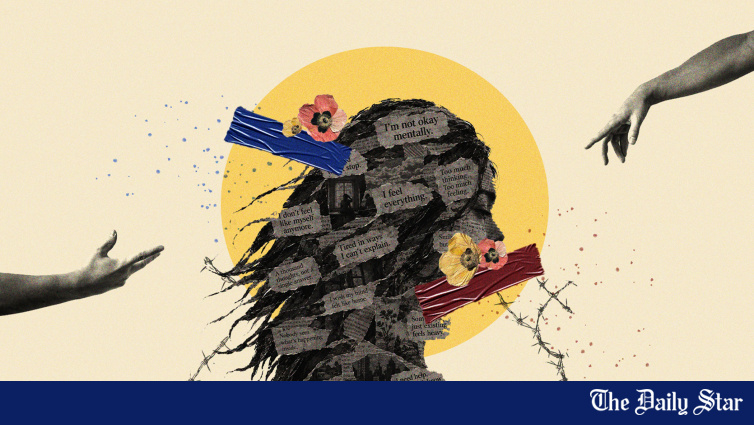
World Mental Health Day, observed on October 10, 2026, features the World Health Organization's theme, "Lived experiences heard: real voices, real change." This theme emphasizes the importance of recognizing personal experiences with mental health conditions and incorporating those insights into healthcare decisions.
Read More
In Bangladesh, mental health continues to be a critical issue. Recently, a friend lost his job due to mental health struggles that affected his work performance. Despite years of strong contributions, he was let go, illustrating how quickly individuals can become labeled as “underperforming.” Such labels diminish the complexity and struggles that accompany mental health challenges, reducing a person to their inability to meet workplace expectations.
The impact of mental health issues extends beyond the workplace; even simple tasks at home can become overwhelming, leading to strained relationships and increased self-doubt. This raises important questions about how workplaces address employee distress. Compassion often falters when it requires adjustments such as changed workloads or deadlines, and vulnerability can feel like a liability in a performance-driven environment.
Practical alternatives do exist. The WHO recommends workplace adjustments such as flexible hours and modified assignments to support employees facing mental health challenges. However, employers must view these situations as opportunities to offer support instead of merely viewing them as performance issues.
Cultural attitudes in Bangladesh can also complicate the conversation around mental health. The Bangla language has specific terms for various forms of distress, yet these terms may not always be taken seriously. For instance, terms like “mon kharap” or “pagol” can both minimize the pain of mental health struggles and stigmatize individuals who are experiencing them. A sleepless night may not equate to a serious disorder, yet many people hesitate to seek help without a formal diagnosis.
The findings from the 2019 National Mental Health Survey indicated that a staggering 92.3 percent of adults and 94.5 percent of children with mental disorders did not receive treatment. These figures highlight a persistent gap in mental health care that remains unaddressed in 2026. Recent remarks by the health minister referencing this outdated survey raise concerns about how long we will rely on antiquated data to describe urgent needs in mental health care.
Significant legislative changes, such as the repeal of the Lunacy Act in 2018, have updated the rights concerning mental health in Bangladesh. However, practical barriers remain, particularly for individuals in rural areas or lower-income situations who face challenges accessing care. The Mental Health Act lacks provisions that ensure representation for individuals with lived experiences, raising questions about whose perspectives and insights shape mental health policies and services.
The WHO calls for a shift towards community-based care rather than long-term institutionalization, highlighting the need for mental health resources that integrate seamlessly into everyday life. The challenge for Bangladesh is to develop a system that is accessible, interconnected, and reflective of the users' needs.
As we observe World Mental Health Day this year, it is essential to continue the conversation beyond awareness and panels. Genuine support structures must be established to assist individuals in navigating mental health challenges. Everyone, regardless of their professional background, deserves consideration and support.
Mahiya Tabassum is a contributor to The Daily Star. The views expressed in this article are the author's own.