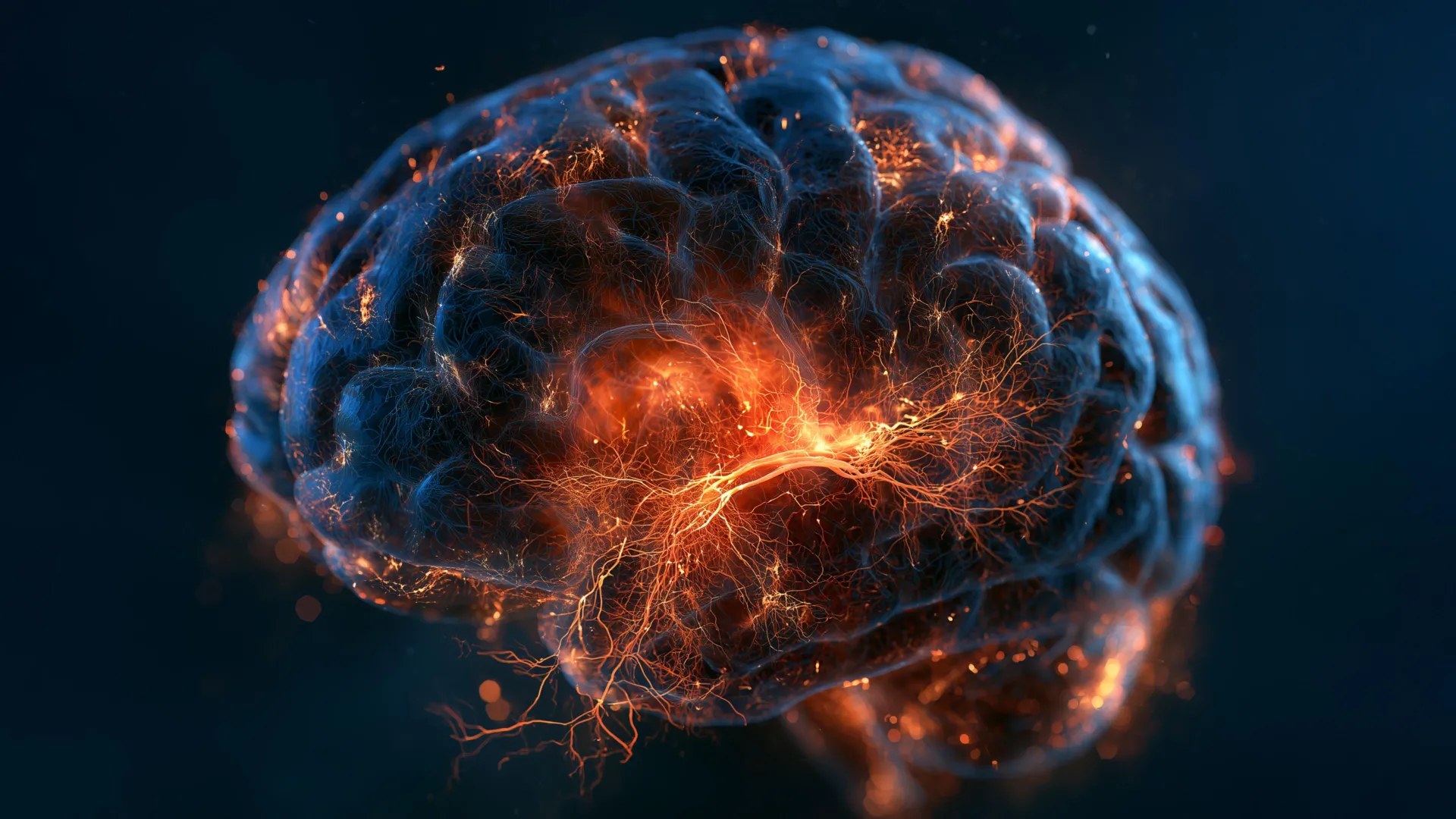
Research from Columbia University Vagelos College of Physicians and Surgeons has found that adults with major depressive disorder may experience a halt in the production of new neurons in the hippocampus, a brain region crucial for memory and emotional regulation. This study provides the first evidence that neurogenesis, the process of creating new neurons, is disrupted in individuals suffering from depression.
Read More
Maura Dupont, a professor of psychiatry who led the study, stated that while depression was once viewed primarily as a neurotransmitter deficiency, it is now understood to involve various factors that impact neurons’ adaptability to stress and environmental changes. Dupont emphasized that the inability to generate new neurons might hinder resilience in individuals with depression.
The hippocampus is known for producing a limited number of new neurons throughout adulthood. It plays a significant role in episodic memory and emotional responses, making it vital to understanding depression. Disruptions in this area could lead to a heightened tendency for those with depression to view experiences negatively.
Dupont explained that the hippocampus assists in differentiating between similar memories and managing emotional responses. This capability, known as pattern separation, can be compromised in depressed individuals, leading to the conflation of past negative experiences with present situations. Dupont noted that many of her patients struggle to recall positive memories, often interpreting neutral interactions negatively.
Research involving mice has shown that adult neurogenesis is critical for maintaining effective pattern separation. Additionally, findings from a study involving patients who underwent radiation therapy that eliminated neurogenesis in their hippocampus suggest a potential link in humans.
While the complete mechanisms remain unclear, Dupont mentioned that new neurons seem to enhance pattern separation and are especially responsive to new experiences, allowing for better segregation of new memories from older ones. Reinitiating neurogenesis could offer a novel treatment avenue for depression by reestablishing healthy hippocampal function.
The study also revealed that the impact of depression extends beyond new neuron growth. Researchers detected broader molecular disruptions within the hippocampal circuitry responsible for storing emotional memories, indicating that genes related to neuronal connectivity, communication, energy supply, and cellular transport were affected.
By analyzing nearly half a million brain cells from individuals with depression and control subjects post-mortem, researchers could observe gene activity changes and pinpoint locations of affected cells within the hippocampal circuitry. The analysis highlighted alterations in genes associated with major depression and epigenetic changes that suggest the influence of environmental factors such as stress and aging.
Dupont emphasized that this variability in molecular changes might contribute to the diverse manifestations of depression. She advocates for a refined classification of depression based on its molecular characteristics—similar to how cancer is classified—hoping this approach could lead to improved treatments.
The study, titled "Dysregulated adult hippocampal neurogenesis in major depressive disorders," was published on August 21, 2026, in Nature Medicine. The research involved multiple authors from Columbia University and the New York State Psychiatric Institute.