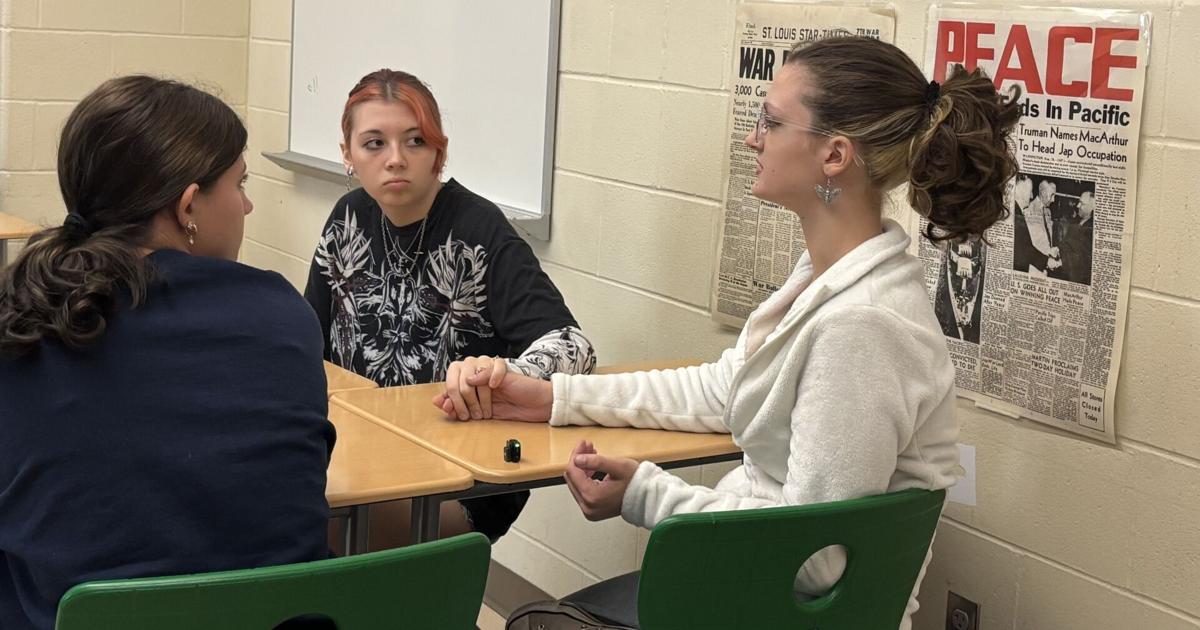
Students at Northmont High School are voicing concerns about the influence of artificial intelligence (AI) on communication, self-image, and mental health. Shannon Cox, superintendent of the Montgomery County Educational Service Center, highlighted that local schools are working to educate students on the responsible use of AI.
Read More
Some students leverage AI for homework help and creative tasks, while others use it as a source of emotional support. Tragically, some parents of children lost to suicide reported finding AI-generated notes among their children's belongings. Tony Coder, CEO of the Ohio Suicide Prevention Foundation, noted that this situation raises ethical questions, particularly for those with pre-existing mental health issues.
As generative AI technologies become more prevalent, they are increasingly being used for mental health support without proper disclosure. National studies indicate that youth are utilizing AI for psychological advice, often in secrecy. Educators liken the ubiquitous accessibility of generative AI to social media, underscoring the minimal limits on its use.
Students expressed mixed feelings about AI's role in their lives, noting concerns regarding over-reliance on technology and predicting potential job loss in various sectors. Suicide prevention advocates are urging technology companies to implement safeguards, while teens are looking for guidance on appropriate use of AI.
A study by RAND indicated that 19.2% of young individuals aged 12 to 21 reported using generative AI to cope with feelings of sadness or stress, marking a significant increase from the previous year. Dr. Stephen Liptak, a psychologist, stated that the implications of AI on mental health are only beginning to unfold and could intensify.
Experts warn that while AI can simulate supportive interactions, it lacks genuine emotional capability, which can mislead users seeking real empathy. A 2025 study from Brown University highlighted concerns that AI could fail to navigate crisis situations adequately, potentially reinforcing negative self-perceptions.
Research from Harvard University established a correlation between increased AI usage and higher levels of depression and anxiety among adults. Dr. Will Leever from Nationwide Children’s Hospital pointed out that while high-risk cases of AI use do exist, there is a broader concern regarding younger individuals' diminished social interaction skills due to reliance on AI.
Participating in Hope Squad classes, which promote mental health awareness, students have shared their experiences. Some students utilize AI for organizational help in their work, while others express worries about becoming overly dependent. Many young people now feel societal pressure to engage with AI technologies, which they fear could erode face-to-face communication skills.
In light of growing concerns, Cox and educators emphasize the importance of guiding youth on responsible AI use within school environments. Coder called for immediate action from tech companies to establish safeguards similar to safety measures now found in vehicles. He recounted alarming examples of young people receiving dangerous advice from AI, including discouragement from seeking help.
As AI technology becomes more integrated into daily life, community leaders emphasize the urgency of addressing its impact on youth mental health.