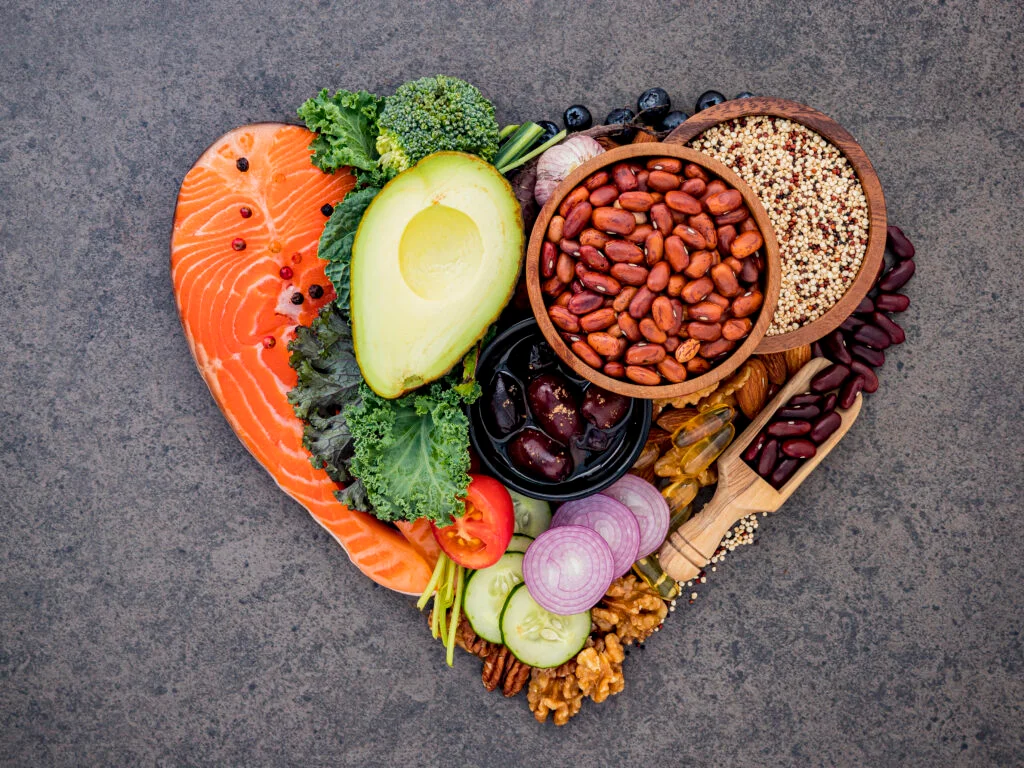
A new scientific statement from the American College of Cardiology (ACC) emphasizes the importance of maintaining a balanced diet for heart health, rather than focusing on specific foods or diet trends. This guidance was published on September 30 and highlights nutrition's role in preventing and managing cardiovascular disease (CVD).
Read More
Frank Hu, the chair of the Department of Nutrition at Harvard T.H. Chan School of Public Health, served as the writing committee chair for the statement. He noted that the field of nutrition science has advanced over the past decades, shifting the focus from individual nutrients to a more holistic view of food and dietary patterns. “We felt it was timely to update the evidence and provide practical guidance for CVD prevention and care,” Hu said in a Healio article following the publication.
The statement identifies poor nutrition as a significant contributor to CVD and suggests dietary changes, including increasing the intake of vegetables, fruits, nuts, seeds, legumes, whole grains, and seafood. It also advises reducing consumption of ultraprocessed foods and limiting red and processed meats, refined grains, excess salt, and sugar-sweetened beverages.
“Ultimately, heart-healthy eating is not about focusing on a single nutrient or food or following the latest dietary trend,” Hu emphasized in an ACC press release. He stated that the overall quality of one’s diet and consistent healthy choices are crucial for supporting cardiometabolic health over time.
The statement points out that the prevalence of poor nutrition and resulting CVD involves not just individual choices but also the broader food environment, which often favors inexpensive, low-quality processed foods. Hu noted, “Our food environment makes highly processed foods widely available and often convenient, while many face barriers to healthy eating, including cost, access, and food insecurity.”
To address these challenges, Hu urged clinicians to integrate nutrition into routine clinical care by discussing patients' eating habits and identifying areas for improvement. Understanding barriers like affordability and access is also critical.
Furthermore, the statement stresses the ongoing need for nutritional support for patients using GLP-1 receptor agonists and other weight management drugs. Hu advocates for continuous nutrition counseling involving not just physicians but also registered dietitians and behavioral therapists.
“One important point is that nutrition remains essential even as effective treatments such as GLP-1 drugs have become available,” Hu reiterated. He added that these medications should complement, rather than replace, a nutrient-rich diet in improving cardiometabolic health.