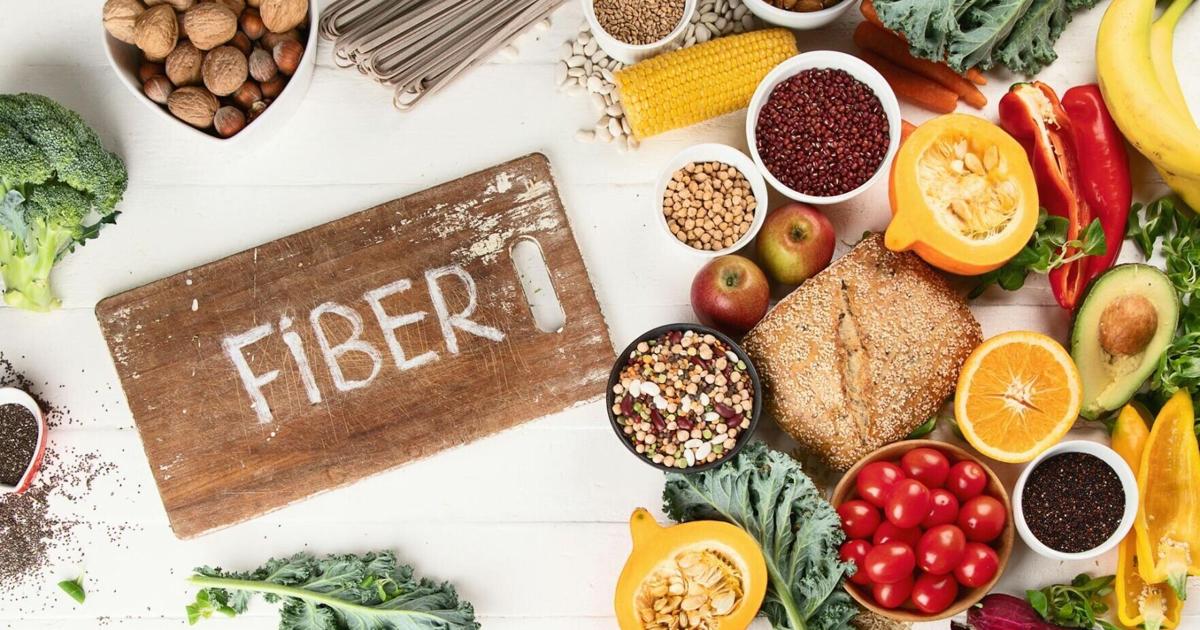
Recent research highlights a concerning trend: Americans are not consuming enough dietary fiber. High-fiber diets have been linked to numerous health benefits, including a reduced risk of cardiovascular disease and colorectal cancer, as well as improved arthritis symptoms. Despite these advantages, only 4% of U.S. adults met the recommended daily fiber intake of 25 grams for women and 38 grams for men between 2013 and 2018. The average American consumes about 16 grams of fiber daily.
Read More
The rise in interest around fiber-rich foods and supplements is evident, but current dietary guidelines have caused some confusion. The 2025 update to American dietary guidelines places high-fiber whole grains at the bottom of the food pyramid, suggesting a lesser role in nutrition. However, the guidelines still emphasize the need for whole grains.
Dietary fiber consists of carbohydrates that the body cannot digest and is present in many foods, including raspberries, avocados, oats, and legumes. Supplements such as psyllium husk powder, commonly known as Metamucil, and isolated fibers like inulin are also popular.
Not all fiber types are the same. Psyllium is a viscous fiber that can form a gel in water, helping to improve feelings of fullness, lower cholesterol, regulate blood sugar, and promote bowel regularity. Fermented fibers, such as inulin, are processed by gut bacteria, which can reduce inflammation in the body.
In addition to fiber, probiotics—live microbes found in fermented foods like yogurt and kimchi—can enhance gut health. While fiber serves as nourishment for gut bacteria, probiotics introduce new beneficial bacteria to the system. A 2021 study revealed that a high-fiber diet results in a more active gut microbiome, capable of better handling fiber breakdown, while diets high in fermented foods lead to greater microbiome diversity and reduced inflammation.
To increase fiber intake, it is advisable to do so gradually, allowing the body to adapt. Barriers such as cost and digestive discomfort can complicate this nutritional shift. Nutritionists suggest incorporating various fiber sources, whether from whole foods, supplements, or fiber-enriched products, to find the best personal approach.
Research into fiber is ongoing, with scientists exploring optimal types, doses, and combinations for health benefits. While much is known about fiber’s advantages, public education and accessibility to high-fiber foods remain critical challenges. This understanding is essential as more people strive for healthier diets.