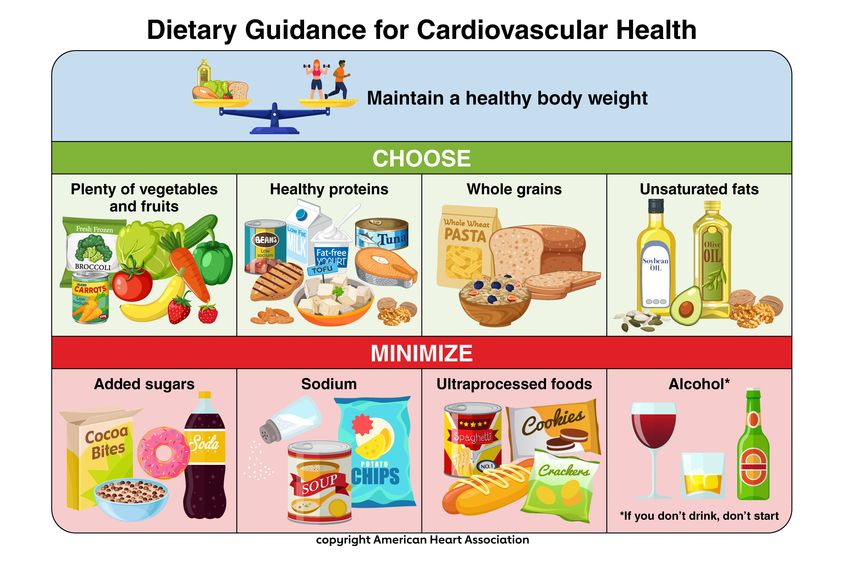
A recent scientific statement from the American Heart Association (AHA) emphasizes that adhering to lifelong healthy eating patterns may significantly lower the risk of cardiovascular disease and other chronic health issues. The guidance highlights a diet high in vegetables, fruits, and whole grains while reducing sugar, salt, and ultraprocessed foods. It advocates for protein sources primarily from plants, such as legumes and nuts, alongside fish and lean dairy.
Read More
Currently, about half of U.S. adults and approximately 60% of children are reported to have unhealthy diets, contributing to increased rates of health issues like high blood pressure and obesity. This updated dietary guidance, published in the journal *Circulation*, stresses the importance of healthy eating especially as the AHA projects that 6 in 10 adults will have cardiovascular disease by 2050.
The statement outlines nine essential features of a heart-healthy diet:
1. Maintain a balance between energy intake and expenditure to achieve a healthy body weight.
2. Consume a variety of vegetables and fruits.
3. Favor whole grains over refined grains.
4. Choose healthy protein sources, mainly plant-based, along with fish and lean meats.
5. Prefer unsaturated fats over saturated fats.
6. Opt for minimally processed foods rather than ultraprocessed ones.
7. Limit added sugars in food and drinks.
8. Select low-sodium options and prepare foods with minimal salt.
9. If drinking alcohol, limit its intake, and avoid starting if not currently a drinker.
Alice H. Lichtenstein, a member of the writing committee for the statement, noted that while the guidance remains largely consistent with recommendations from 2021, recent evidence has reinforced its core principles. The statement's purpose is to prioritize healthier choices while allowing for personal variability in dietary preferences.
The updates also reflect a broader understanding of the saturation of dietary fats, recommending unsaturated sources while raising concerns about the prevalence of ultraprocessed foods in diets. Attention to sodium intake has increased, particularly its hidden presence in prepared foods.
Experts emphasize the importance of establishing healthy eating habits early in life, as cardiovascular disease risk can begin at a young age. The AHA recommends initiating a heart-healthy dietary pattern at one year of age and stresses family influence in food choices.
The AHA’s 2026 statistics indicate a concerning trend with rising obesity rates among both adults and children, with more than 40% of adults and over 20% of children classified as obese. These trends underscore the urgency for preventive measures and healthier lifestyle habits.
The guidance is designed not only to improve cardiovascular health but also to align with dietary recommendations for other health conditions such as type 2 diabetes and cognitive health. The AHA is committed to addressing the issues surrounding poor diets, advocating for better access to healthy foods, and supporting nutritional research initiatives.