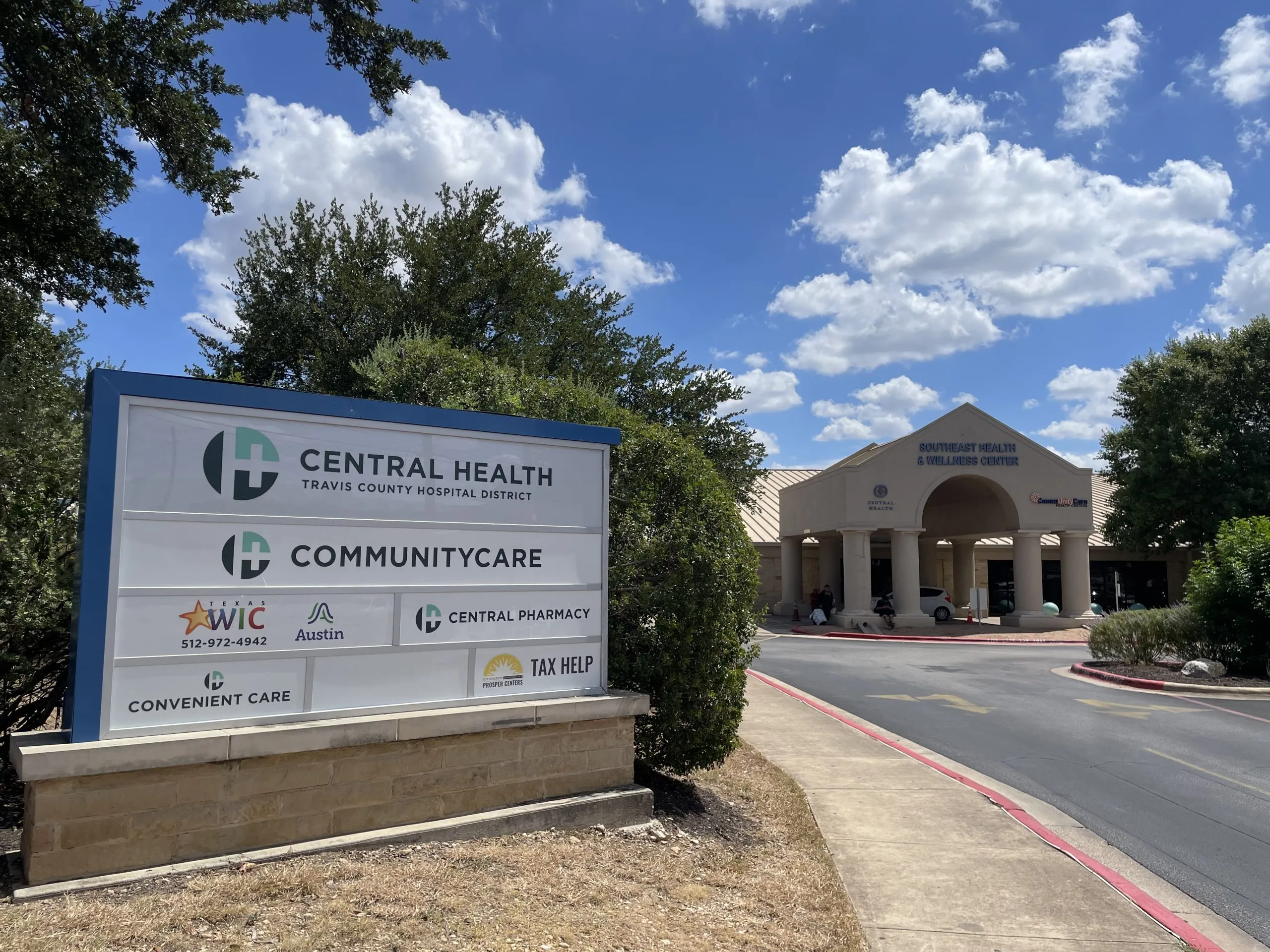
The Travis County Commissioners Court has approved a 6% property tax increase earmarked for Central Health, the hospital district serving the area. This decision is set to provide an additional $127.5 million for mental health and recovery services in the upcoming fiscal year, which local officials describe as urgently needed. However, this increase will add to residents’ tax burden. The property tax rate paid to Central Health will rise to 13.2 cents per $100 of home valuation, leading to an increase of approximately $36 in the annual tax bill for a median homeowner in Travis County, whose property is valued at $372,638, bringing the total from $460 to $496.
Read More
While Central Health's investments in behavioral and mental health services are seen as crucial for enhancing the social safety net, rising property taxes contribute to housing unaffordability in the region. Last year, the average homeowner in Travis County paid $8,176 in property taxes across different authorities, including the City of Austin and the local school district. With a projected 3.5% property tax increase in Austin, along with additional utility and trash fees, the median homeowner could face an increased local financial burden of $374 in the coming year.
Members of the Central Health Board of Managers advocate for the expansion of mental health services amid the ongoing crisis, particularly for those experiencing homelessness. Ann Kitchen, a board member, emphasized that the funding is essential to address these mental health challenges.
Opponents, such as Matt Mackowiak of Save Austin Now, argue that taxpayer liabilities should not increase without voter approval, despite acknowledging the mental health crisis's severity.
Central Health provides free health services to individuals earning less than 200% of the federal poverty threshold, which for a family of four translates to a maximum income of $66,000. In 2021, behavioral health issues were among the most commonly treated conditions within Central Health's services, with significant case concentrations in neighborhoods east of Interstate 35.
According to estimates, about 4,022 individuals experience homelessness in the region on any given night, many of whom suffer from mental health and substance use disorders, highlighting the need for a more robust response.
In 2022, Central Health expanded its services for the homeless community, providing short-term residential care and outreach support. Austin Mayor Kirk Watson noted the urgent need for better behavioral health solutions, citing significant costs associated with individuals trapped in cycles of homelessness and mental health crises.
The approved budget includes over $54 million to create new mental health services such as a psychiatric emergency department, a mental health crisis center, and additional resources for individuals involved in the criminal justice system. Moreover, the 'No Wrong Door' initiative, which collaborates with various local partners to streamline mental health services for the homeless, will receive a $27.3 million investment.
Integral Care, the local mental health authority, alongside other community healthcare providers, will also see funding increases to address the broad spectrum of community mental health and recovery needs. Overall, the budget reflects an 87% rise in crisis and recovery investments compared to the previous year.