A review has identified 44 articles discussing sleep disorders in children and adolescents with neurodevelopmental and neurological disorders (NDDs), including 27 systematic reviews, five randomized controlled trials (RCTs), and 11 cohort studies. These articles cover participants aged 2 to 18 years, focusing on cognitive and behavioral interventions, studies on mixed NDDs, and specific conditions like autism spectrum disorders, attention deficit disorder, epilepsy, and cerebral palsy.
Read More
Cognitive and behavioral interventions have been established for addressing sleep problems in school-aged children. Common approaches include:
- **Unmodified Extinction**: The child is left alone until asleep.
- **Extinction with Parent Presence**: Parents stay in the room with limited interaction.
- **Graduated Extinction**: Parents gradually increase time before responding to crying.
- **Gradual Distancing**: Parents slowly increase their distance from the child.
- **Sleep Scheduling**: Regular sleep and wake times are established.
- **Bedtime Fading**: Bedtime is adjusted to promote quicker sleep onset.
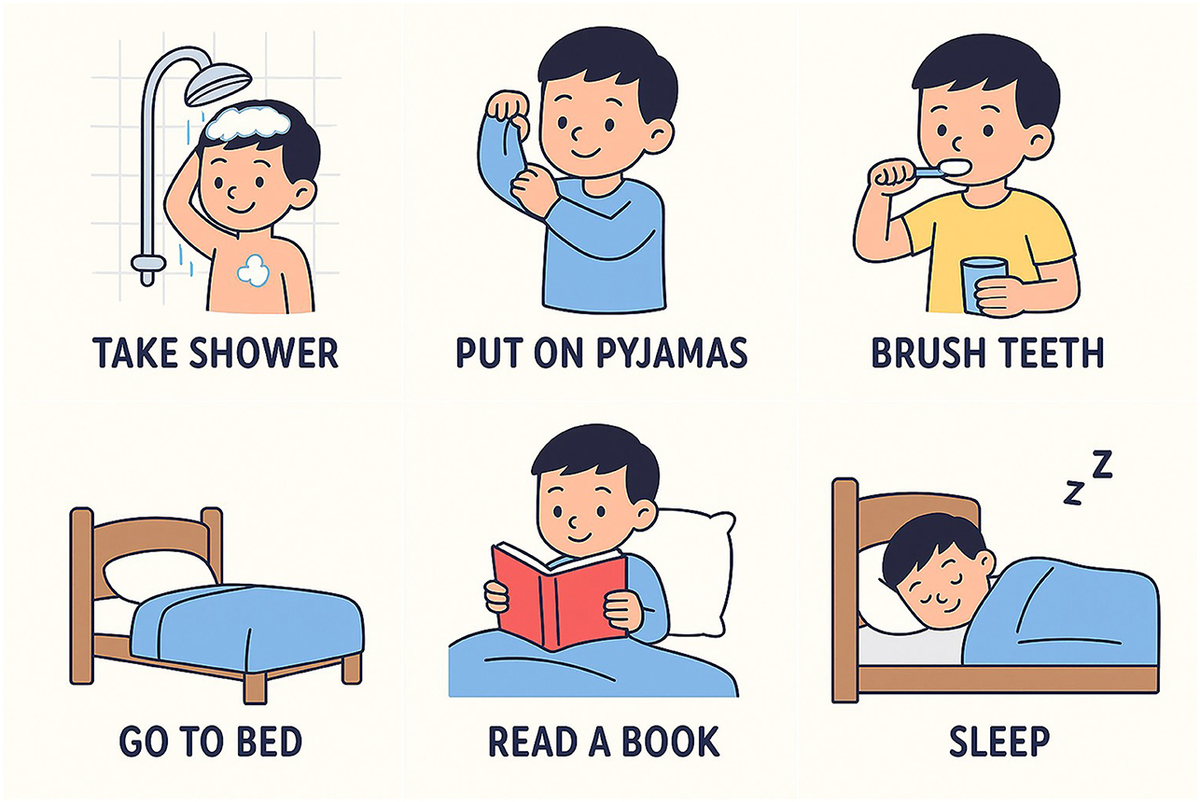
Psychoeducation for parents and children addresses sleep hygiene. Positive bedtime routines, cognitive strategies to change beliefs about sleep, and Cognitive Behavioral Therapy for Insomnia (CBT-I) are also important strategies found in the literature.
Findings show that behavioral sleep interventions can lead to improved sleep quality, satisfaction, and some daytime behavior symptoms in children with NDDs. However, effects such as total sleep time did not significantly change. Notably, parents reported improved sleep satisfaction.
Some systematic reviews focusing on children with NDDs highlighted common issues like insomnia, with studies indicating various interventions, regarding specific disorders. For example, Kamara et al. noted that groups like ADHD and autism often benefited from behavioral training and sleep education tailored to their conditions.
Studies regarding sleep disturbances in epilepsy reveal that children with epilepsy exhibit sleep problems more frequently than their typically developing peers, particularly regarding insomnia. A behavioral sleep intervention has shown measurable improvements in sleep efficiency and duration compared to usual care methods.
For children with Autism Spectrum Disorder (ASD), about 80% experience sleep disturbances. Interventions that include behavioral education for parents have resulted in significant improvements in sleep duration and quality. RCTs showed enhancements in overall sleep when behavioral therapies were combined with pharmacological treatments like melatonin.
Children with Cerebral Palsy (CP) frequently face sleep disturbances, with over 25% experiencing issues such as insomnia. Comorbidities like epilepsy can exacerbate the challenges. Multimodal approaches to treatment, which include behavioral interventions, are recommended to address various contributing factors.
Rare genetic neurodevelopmental conditions also exhibit high prevalence rates of sleep disorders. Interventions in this area often need to be specifically tailored to individual genetic conditions. For example, individuals with Smith-Magenis syndrome experience unique circadian rhythm disruptions that need specialized behavioral strategies for sleep management.
Overall, while non-pharmacological interventions show promise across various NDDs for improving sleep in children and adolescents, evidence supporting their effectiveness varies, and ongoing research is necessary to enhance treatment approaches.