Vitamin D deficiency poses a significant global health challenge, affecting up to 47.9% of the population in various regions. In Australia, 31% of adults are classified as vitamin D deficient, with another 43% experiencing insufficiency. Vulnerable groups, such as the elderly in residential care, have deficiency rates as high as 94%. Insufficient vitamin D levels are linked to several health issues, including bone health concerns, susceptibility to infections, and various chronic diseases.
Read More
Current dietary guidelines in Australia emphasize sunlight as the primary source of vitamin D, with supplements recommended when sunlight exposure is inadequate. However, dietary intake of vitamin D remains low, averaging between 1.84 and 3.25 μg/day—significantly below the estimated average requirement of 10 μg/day set by the Institute of Medicine. Many factors limit sunlight exposure, including lifestyle choices and seasonal variations.
Food-based solutions, particularly the consumption of mushrooms, are gaining attention. UV-exposed mushrooms can offer a viable plant-based source of vitamin D2. Studies show that UV-exposed mushrooms can meet daily vitamin D requirements; for instance, 100 grams of irradiated A. bisporus mushrooms contain over 100% of the recommended intake. This makes mushrooms a sustainable option that aligns with growing interest in plant-based diets.
In various countries, food fortification with vitamin D has proven effective. For example, in Finland, the voluntary fortification of dairy products led to increased mean vitamin D levels over the years. In the U.S., fortified milk accounts for the largest contribution to dietary vitamin D. Australia has seen similar benefits from fortified margarines.
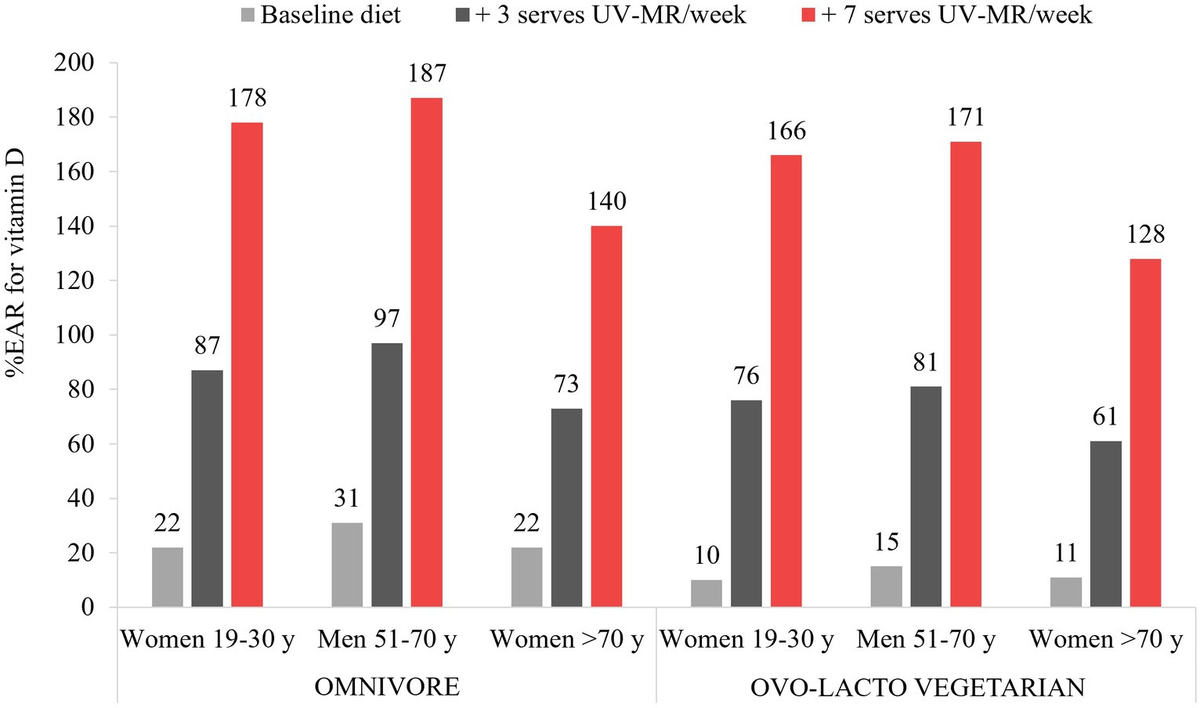
Despite mushrooms' potential, they are often not recognized as a source of vitamin D in dietary guidelines worldwide. Current modeling suggests that incorporating UV-exposed mushrooms into Australian diets can significantly improve vitamin D intake across various demographic groups.
Recent studies demonstrate that adding an 84-gram serving of UV-exposed mushrooms can enhance daily vitamin D intake by 67% to 91%, depending on the individual's baseline diet. In these models, individuals can exceed their vitamin D needs if they consume mushrooms daily. Advocacy for including UV-exposed mushrooms in dietary recommendations could help mitigate vitamin D deficiency, especially among those on vegan or vegetarian diets who limit animal-sourced vitamin D.
Though further research is needed to fully understand the long-term benefits and absorption of vitamin D2 from mushrooms compared to traditional D3 sources, preliminary findings suggest that they can effectively raise vitamin D levels for those deficient or insufficient. Health professionals and policymakers are encouraged to promote the use of UV-exposed mushrooms to enhance dietary intake of vitamin D and support public health initiatives aimed at reducing deficiency.