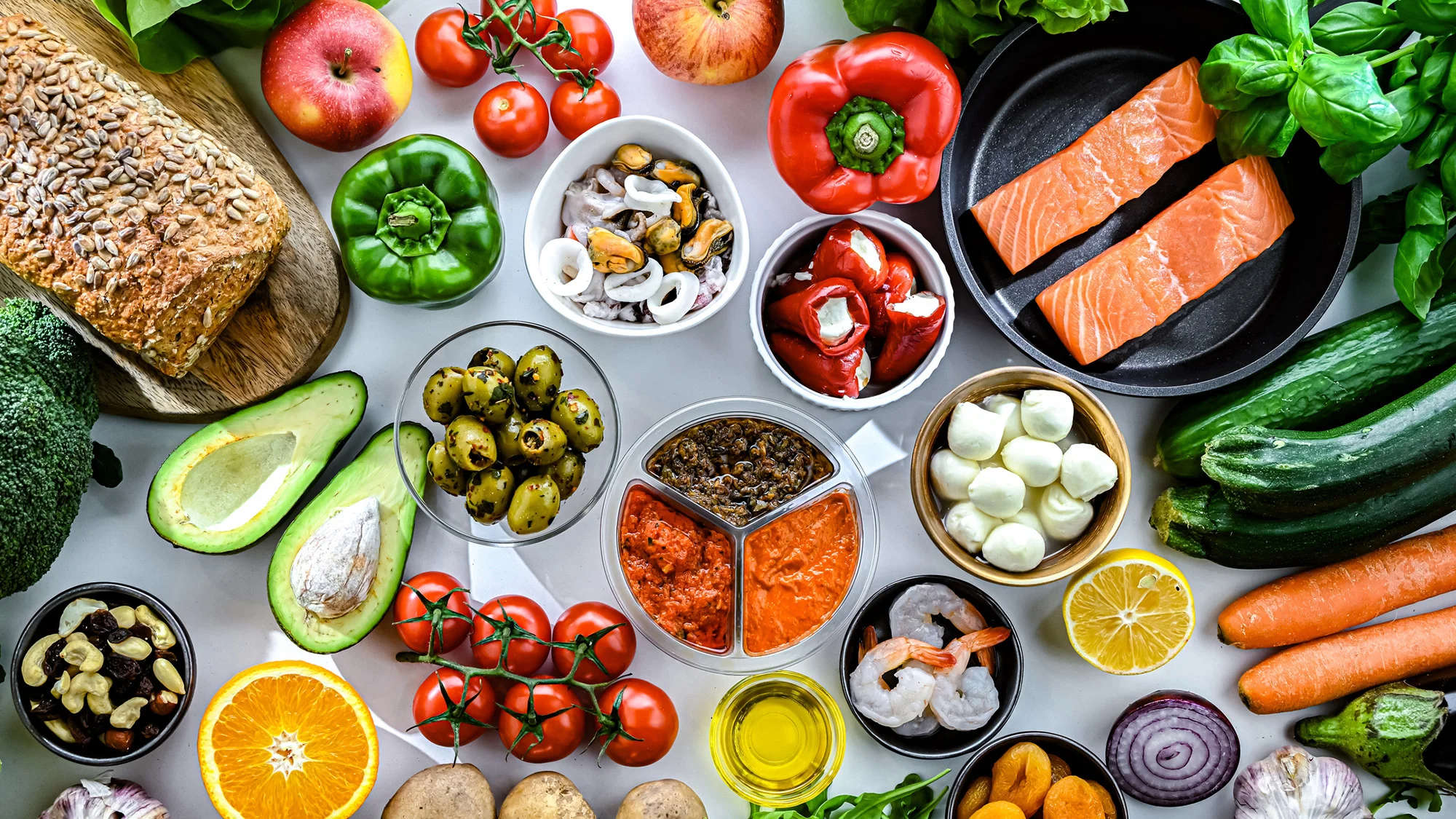
In light of conflicting nutrition advice prevalent in social media and news outlets, Frank Hu from the Harvard T.H. Chan School of Public Health recommends that healthcare professionals guide patients towards evidence-based diets like the Mediterranean diet.
Read More
As the keynote speaker at the Obesity Medicine Association’s annual conference, Hu spoke on the importance of grounding dietary recommendations in research, particularly in the context of evolving dietary guidelines such as the 2025-2030 Dietary Guidelines for Americans (DGAs). He addressed how clinicians can combat misinformation and confusion surrounding nutrition.
Hu challenged the prevalent view that increasing protein intake is necessary for everyone. He stated, "Avoid overemphasizing protein. It’s an important nutrient, of course, but it’s not a free pass. If you consume too much protein, it will turn into fat eventually, and it has a huge burden on your activities." He advised clinicians to tailor protein recommendations based on individual factors like age, sex, exercise habits, and overall health.
In his address, Hu also urged healthcare providers to recommend well-established diets including the Mediterranean diet, the Alternative Healthy Eating Index, and the Dietary Approaches to Stop Hypertension-style diet. These diets promote the consumption of fruits, vegetables, whole grains, legumes, and healthy fats, while limiting red and processed meats, sugar-sweetened beverages, sodium, and refined grains. Such evidence-based approaches aim to mitigate confusion created by the DGAs regarding saturated fat, dairy, and animal protein intake.
Hu suggested that the Mediterranean diet pyramid could serve as a more practical alternative for those who find the DGA pyramid less helpful, stating it is more actionable, tangible, and evidence-based.