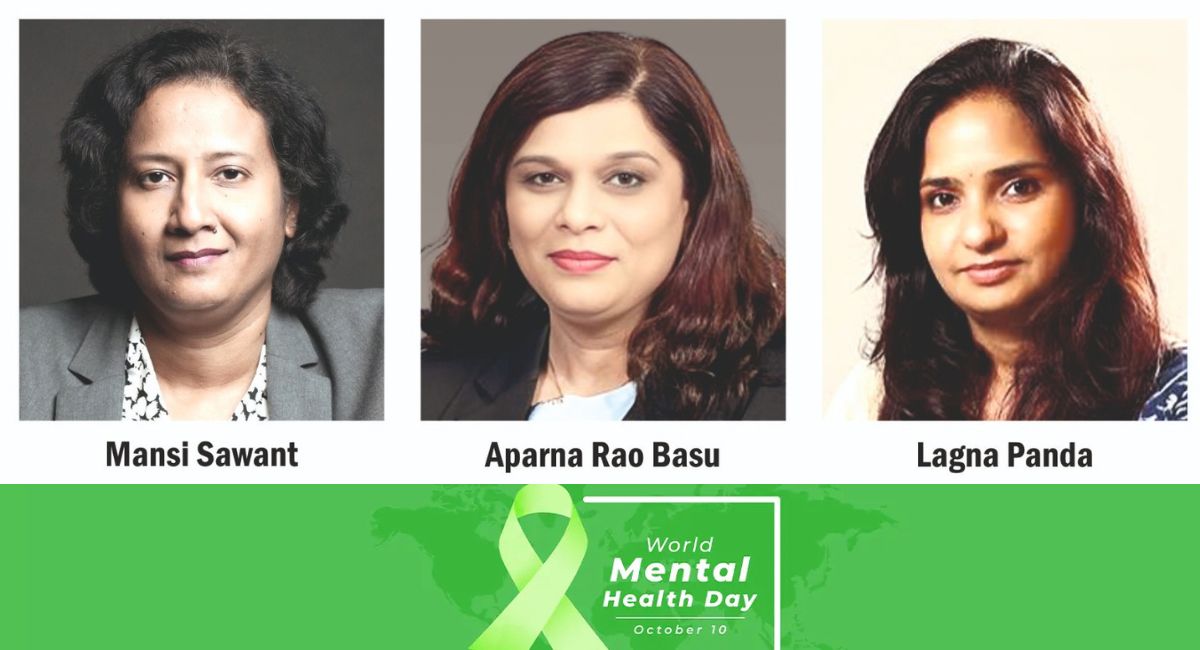
As workplaces face increasing demands and evolving professional responsibilities, employee mental health has become a critical organizational priority. On the eve of World Mental Health Day on October 10, HR leaders are advocating for workplace cultures that emphasize psychological safety, flexibility, and accessible support.
Read More
The focus has shifted from merely organizing wellness sessions or providing benefits to establishing environments where employees can openly discuss stress, seek help without fear of judgment, and balance personal responsibilities with professional obligations. This approach is vital for enhancing workplace well-being.
Mansi Sawant, Head of HR – People and Culture at Orient Technologies Limited, highlighted that employee well-being is crucial for building resilient organizations. "Employee well-being is not simply a workplace priority. It is fundamental to building resilient, high-performing, and future-ready organizations," she stated. Sawant stressed the importance of employees feeling heard, supported, and safe enough to express their concerns.
She believes that meaningful conversations, along with proper support systems, can help employees navigate challenges more effectively and foster lasting resilience, allowing them to grow professionally while maintaining personal well-being.
At Sagility India, the focus is on structural changes instead of traditional wellness programs. Senior Vice-President and Head of Human Resources Aparna Rao Basu emphasized that flexibility and employee feedback are essential components of their approach. "Workplace mental health requires moving beyond standard wellness programs towards structural support mechanisms that directly reduce stress," Basu noted.
The company’s Wonder of Wellness (WoW) initiative offers hybrid work opportunities and flexible shift timings. Their Voice of Employee feedback system aims to identify and address workplace concerns and systemic issues. Specialized training and peer-support networks, such as the S.H.E. Circle and Abilities Circle, promote inclusivity and assist employees facing personal challenges.
According to Basu, well-being is integral to creating a sustainable workplace where employees feel a sense of belonging and can contribute without sacrificing their personal needs.
At CSM Technologies, Chief Human Resources Officer Lagna Panda emphasized accessibility and trust. While workplace pressures are unavoidable, she noted that organizational responses to individual circumstances can significantly impact well-being. "Supporting well-being is not just about providing benefits; it is about creating an environment where people feel heard, supported, and valued," Panda remarked.
The company employs an open-door policy and provides access to an external counselor, allowing employees to discuss personal, emotional, or work-related issues confidentially. Regular health camps, along with yoga and Zumba classes, aim to promote physical health.
Despite variations in their approaches, the three HR leaders collectively emphasize accessible support, open communication, and recognition of employees' diverse needs.
As World Mental Health Day approaches, the key issue for workplaces is whether employees can seek support when needed, free from fear or stigma. The resolution may hinge more on ingrained workplace cultures that prioritize mental well-being than on the number of wellness initiatives available.