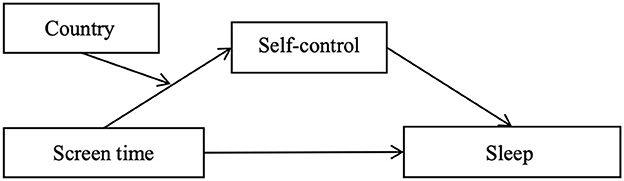
Adolescents increasingly spend significant amounts of time on entertainment media devices, which has led to growing concerns about their sleep quality. This study aimed to explore the impact of screen time on sleep quality among 731 Chinese and British adolescents, aged 10 to 19, using self-control as a mediating factor and accounting for cultural differences.
Read More
The study found that out of the initial participants, 640 adolescents (mean age = 12.93 years) met the criteria for analysis. The research revealed a negative relationship between screen time and sleep quality, with self-control acting as a mediator. Specifically, higher screen time was associated with lower self-control, which in turn correlated with decreased sleep quality. Notably, the negative impact of screen time on self-control was more pronounced in British adolescents compared to their Chinese counterparts.
The findings indicate that adolescents in both cultural contexts face sleep quality issues related to excessive screen time. The Chinese National Healthy Sleep White Paper 2024 noted that many Chinese individuals sleep fewer than 7 hours per night, while studies show that nearly 40% of adolescents globally report receiving insufficient quality sleep. As self-control deficits were highlighted in this study, enhancing parental regulation of screen time may be essential for improving sleep outcomes in adolescents.
The research pointed out that self-control, defined as the ability to manage impulses and prioritize long-term goals, diminishes with increased media consumption, disrupting sleep quality. Although significant differences in self-control and sleep quality were not noted between the two cultural groups, British adolescents reported greater screen time for entertainment purposes than their Chinese peers.
These insights underline the importance of addressing the role of screen time in affecting sleep quality among adolescents while considering cultural influences. The study calls for further research into strategies for regulating media use to promote better sleep hygiene among young people.