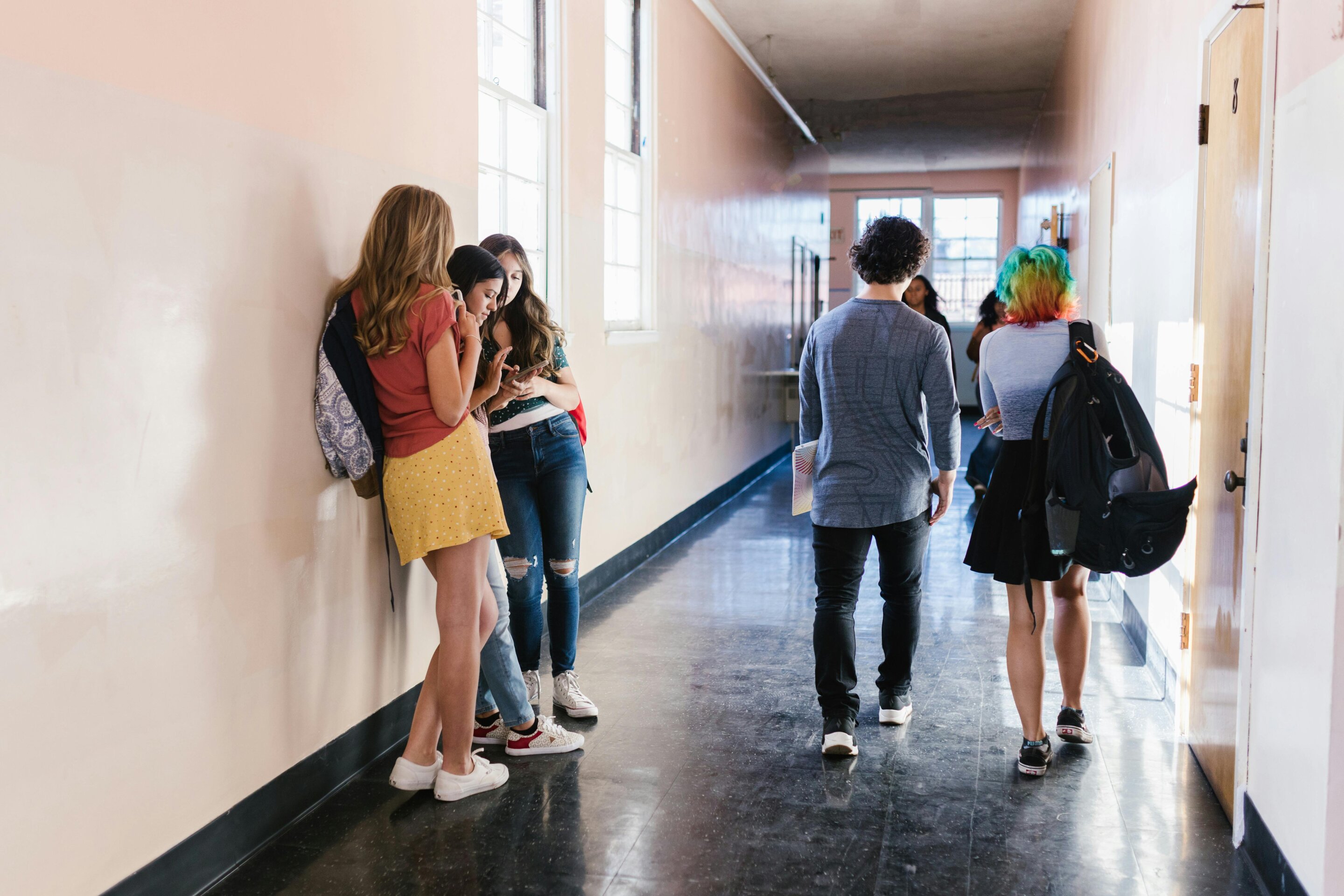
An Australian student may spend as much as 11,000 hours in school by the age of 15, making it a crucial environment for social and emotional development. Recent research emphasizes the significance of school connectedness—students' feelings of belonging and connection with peers and staff—in enhancing mental health and well-being.
Read More
This concept covers relationships among students, teachers, and school personnel, including coaches and counselors. Studies indicate that higher school connectedness correlates with better academic performance and reduced aggressive behaviors, such as bullying. Recent findings from the Black Dog Institute suggest that this connectedness is also vital for promoting students' overall well-being.
The study assessed various factors impacting student mental health, including school type (public or private), location, gender composition (boys-only, girls-only, or coed), teacher-student ratios, school income, and students' cultural diversity. Surveys collected responses from over 1,500 eighth-grade students attending 35 different high schools in New South Wales, using both self-reported data and psychological questionnaires.
Results revealed that only a strong sense of school connectedness in eighth grade predicted higher mental well-being by tenth grade. This finding remained significant after controlling for factors like gender and previous mental health issues, emphasizing the role that supportive relationships in school play in psychological health. Other examined factors did not show a direct link to student well-being, indicating that feeling connected may be more critical for mental health than other school characteristics.
The study highlights the potential benefits of fostering connections early in high school, as belonging can enhance psychological functioning during adolescence, a key period of identity formation and independence.
To improve feelings of belonging, schools can implement practical measures such as creating connection committees involving teachers, staff, and students and allowing platforms for students to voice concerns. Successful interventions include mentoring programs and engaging teachers in activities that bring students of different grades together.
Future research should explore additional factors that could support the mental health of students from marginalized communities and those in different educational stages, particularly in elementary schools.