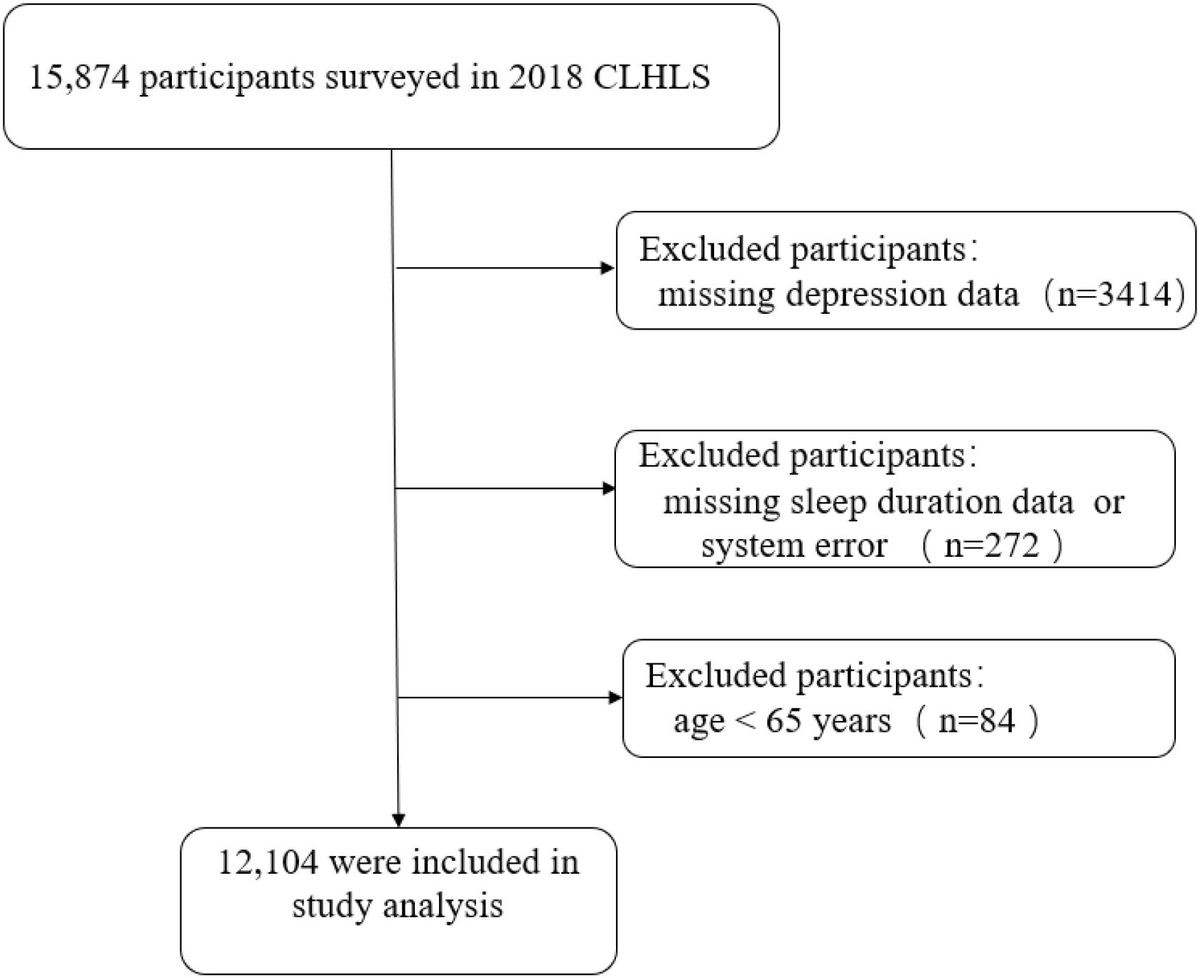
Depression is a prevalent mental health concern among older adults, with varying factors influencing its incidence. Recent findings from a national cross-sectional study involving 12,104 participants aged 65 and older, drawn from the 2018 Chinese Longitudinal Healthy Longevity Survey (CLHLS), suggest a significant association between sleep duration and depressive symptoms in this demographic.
Read More
The researchers employed multivariate logistic regression models, accounting for sociodemographic variables, lifestyle factors, and existing chronic diseases. Results showed that increased sleep duration was correlated with a reduced risk of depressive symptoms: the odds ratios (ORs) were 0.60 (95% CI 0.54-0.69) for 6–7 hours of sleep, 0.40 (95% CI 0.36-0.47) for 7–8 hours, 0.34 (95% CI 0.30-0.39) for 8–9 hours, and 0.32 (95% CI 0.28-0.36) for 9–15 hours. Notably, the relationship was non-linear, identifying an inflection point at 7 hours of sleep.
The analysis revealed that each additional hour of sleep below 7 hours was associated with a 31% decrease in depressive symptoms (OR = 0.69, 95% CI 0.66-0.72), while each additional hour beyond 7 hours resulted in a lesser reduction of 9% (OR = 0.91, 95% CI 0.89-0.94).
Depression is notably impactful among older adults, often leading to cognitive decline and heightened health care utilization. The growing elderly population in China exacerbates this public health concern. Previous studies have reported that around one-third of older adults globally experience depressive symptoms, with specific demographic factors like education level and social structure influencing these rates.
The prevalence of depressive symptoms in the study cohort was found to be 53.54%, a figure higher than many earlier studies. Factors contributing to this included the average age of participants and high representation of individuals from rural areas, which are known risk factors for mental health issues.
This research emphasizes the significance of ensuring adequate sleep among older adults in China, advocating that achieving around 7 hours of sleep may be a modifiable lifestyle factor in preventing depression. The findings underscore the necessity for further investigation into the complexities of sleep and mental health in aging populations.