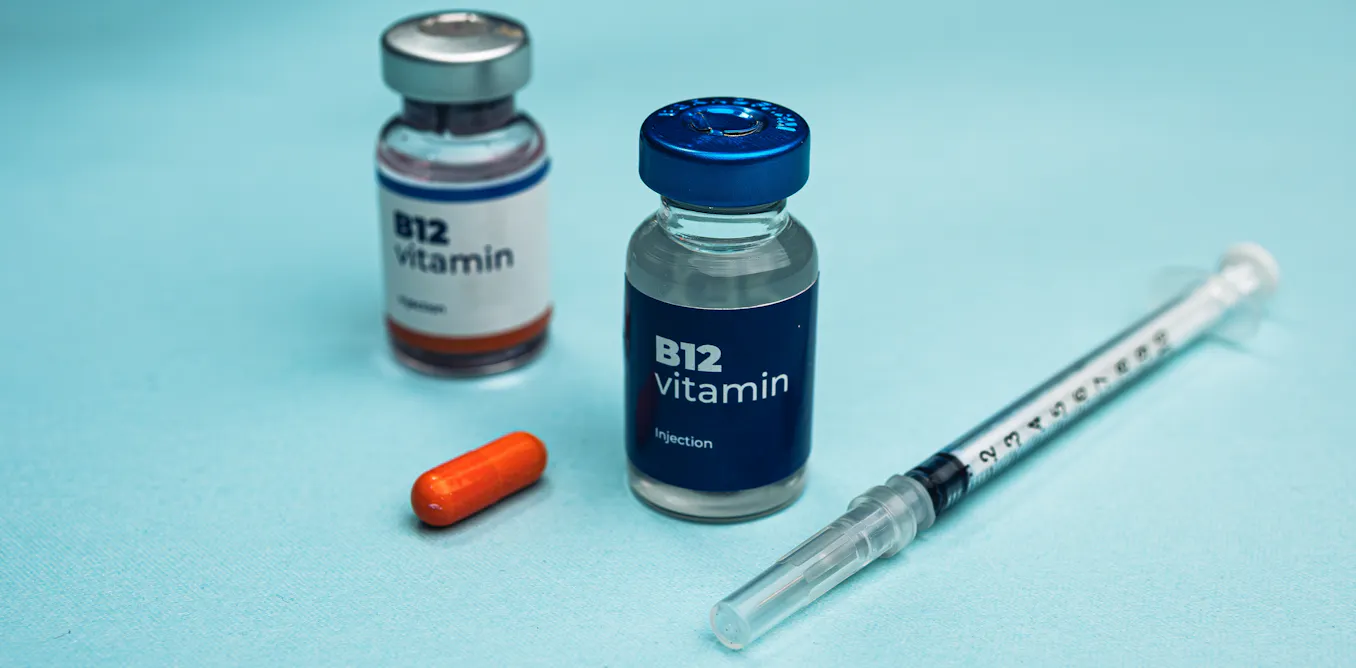
Vitamin B12, also known as cobalamin, is a vital nutrient for the body, playing essential roles in producing red blood cells, maintaining nervous system function, and aiding in DNA replication and repair. Found naturally in animal products like meat, fish, eggs, milk, and cheese, B12 is also included in some fortified cereals and breads, ensuring those who do not consume meat can meet their nutritional needs. While most people on a varied diet receive adequate amounts of B12, certain groups such as vegans, older adults, and individuals with specific gut conditions may require supplements.
Read More
A deficiency in B12 can lead to serious health issues, particularly if it goes unrecognized. Recently, researchers have investigated whether either high B12 intake or elevated blood levels of the vitamin are correlated with cancer risk. A case-control study from Vietnam, published in 2025, revealed a U-shaped relationship, where both low and high intakes were associated with increased cancer risk. However, such studies only indicate correlations and do not establish causation, highlighting the importance of maintaining a balanced intake.
Despite the assumption that more B12 could provide increased protection against cancer due to its role in supporting cell growth, the evidence does not uniformly support this view. Although B12 aids in the growth of healthy cells, it may also inadvertently support the growth of pre-cancerous cells under certain conditions. Long-term studies on high-dose B vitamin supplementation have not definitively shown protective effects against cancer incidence or mortality, although some specific findings have suggested a reduced risk of melanoma.
Moreover, many cancer patients exhibit elevated B12 levels, prompting questions about whether high B12 contributes to cancer development or results from the disease itself. Research from 2022 suggests that high B12 levels in cancer patients may be an epiphenomenon, meaning that the vitamin appears alongside the disease but does not cause it. Follow-up research in 2024 corroborated this finding, noting that tumors could influence liver function, leading to higher B12 release into the bloodstream, or could increase the levels of proteins that bind to B12, artificially inflating blood test results.
Interestingly, elevated B12 could serve as a potential marker for detecting or monitoring cancer. A 2026 study indicated that colon cancer patients with significantly high B12 levels had a median survival of five years, in contrast to nearly eleven years for those with normal levels. Similar patterns were observed in oral cancer and patients undergoing immunotherapy, where elevated B12 levels correlated with poorer outcomes. Thus, unexplained persistently high B12 levels, particularly in individuals not on supplements, warrant further investigation.
For the general population, the risk of excess B12 from a regular diet is low, and deficiency is a more common issue than toxicity. Concerns primarily arise from prolonged high-dose supplementation without medical guidance or from abnormal blood test results showing high B12 levels. The overarching principle remains: excessive intake of individual vitamins will not prevent cancer. Instead, a holistic approach to health that includes a balanced diet, regular exercise, smoking cessation, sun protection, and routine health screenings is crucial.
As for vitamin B12, ensuring adequate intake through diet or supplements—especially for those who are vegan, older, or dealing with absorption issues—is essential. However, high doses should be avoided unless advised by a healthcare professional. With B12, the focus should be on achieving the appropriate amount rather than maximizing intake.