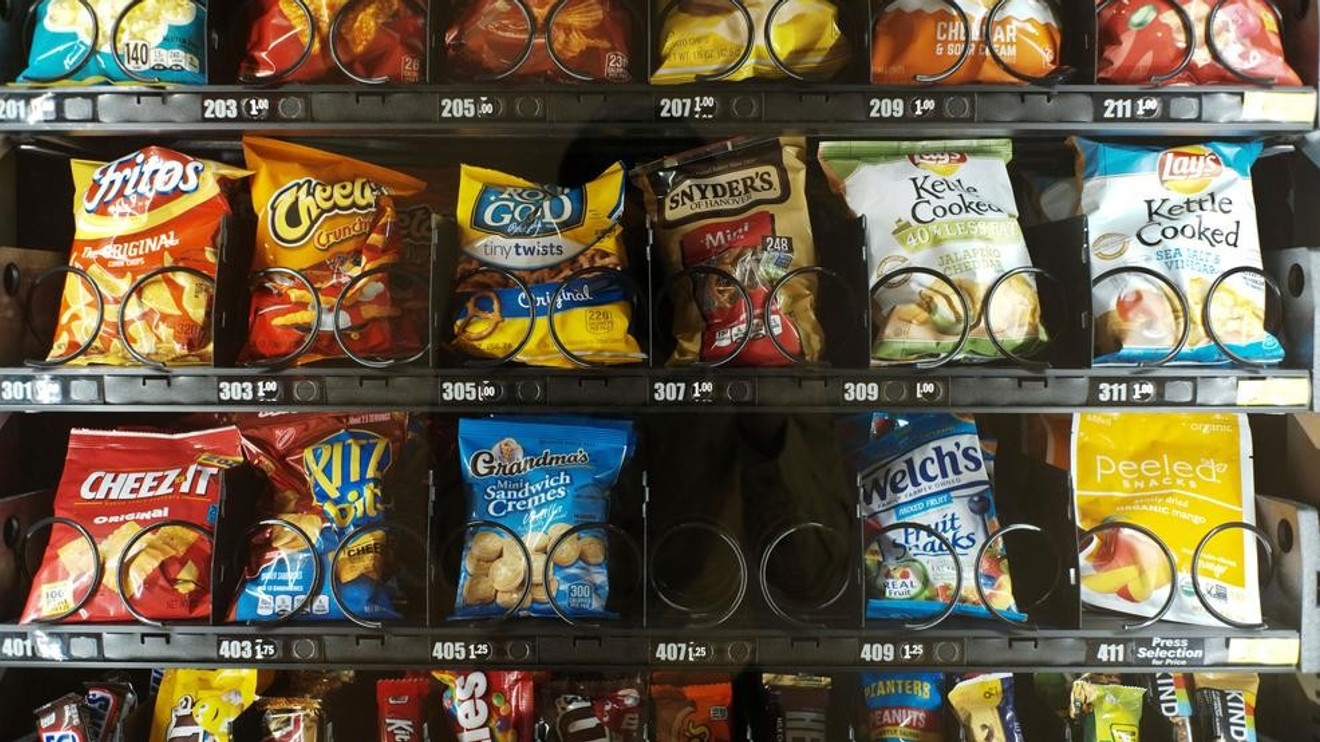
A new analysis involving nearly 8.8 million adults suggests that a higher intake of ultra-processed foods, often referred to as "junk" food, is associated with increased rates of several chronic health issues and mortality over time. However, the study, published on September 22 in the journal Family Medicine and Community Health, does not establish a direct cause-and-effect relationship.
Read More
The analysis pooled data from 51 prospective cohort studies that tracked participants for periods ranging from two to 32 years. It found that those in the highest intake groups of ultra-processed foods experienced higher relative rates of cardiovascular events, cancer, obesity, metabolic syndrome, diabetes, depression, digestive diseases, and overall mortality compared to those in the lowest intake groups. Specifically, higher intake was linked to a 24% increase in the relative rate of cardiovascular events and an 18% increase in the relative rate of death from all causes.
Furthermore, the study indicated that each additional 100 grams of ultra-processed food consumed daily correlated with a 14% rise in cardiovascular events, a 4% hike in cancer rates, a 2% increase in metabolic syndrome or diabetes, and a 3% rise in overall mortality.
Researchers employed the NOVA classification system, which categorizes foods based on their degree and purposes of industrial processing. This category encompasses items like sugary beverages, packaged snacks, and processed meats, though the authors noted it also includes products with varying nutritional profiles, making it challenging to identify specific foods or ingredients that may be contributing to these health associations.
The study had several limitations: it relied on self-reported dietary data, which can be prone to inaccuracies, especially in distinguishing homemade from commercially prepared foods. Additionally, the observational nature of the studies means researchers monitored existing dietary habits rather than controlling participants' diets, leaving room for other factors—such as income, education, stress, smoking, physical activity, access to care, and overall diet quality—that might influence health outcomes.
Experts reviewing the study raised concerns about socioeconomic variables and the broad scope of ultra-processed food definitions, as well as the reliability of self-reported data. The authors themselves indicated that the certainty of their findings was generally low, with moderate evidence concerning obesity and very low certainty regarding hypertension.
While the findings suggest a pattern linking higher consumption of ultra-processed foods to poorer health outcomes, they do not imply that all packaged or industrially made foods are harmful, nor do they indicate a specific safe level of consumption. The research highlights a recurring trend across long-term observational studies, warranting further attention.