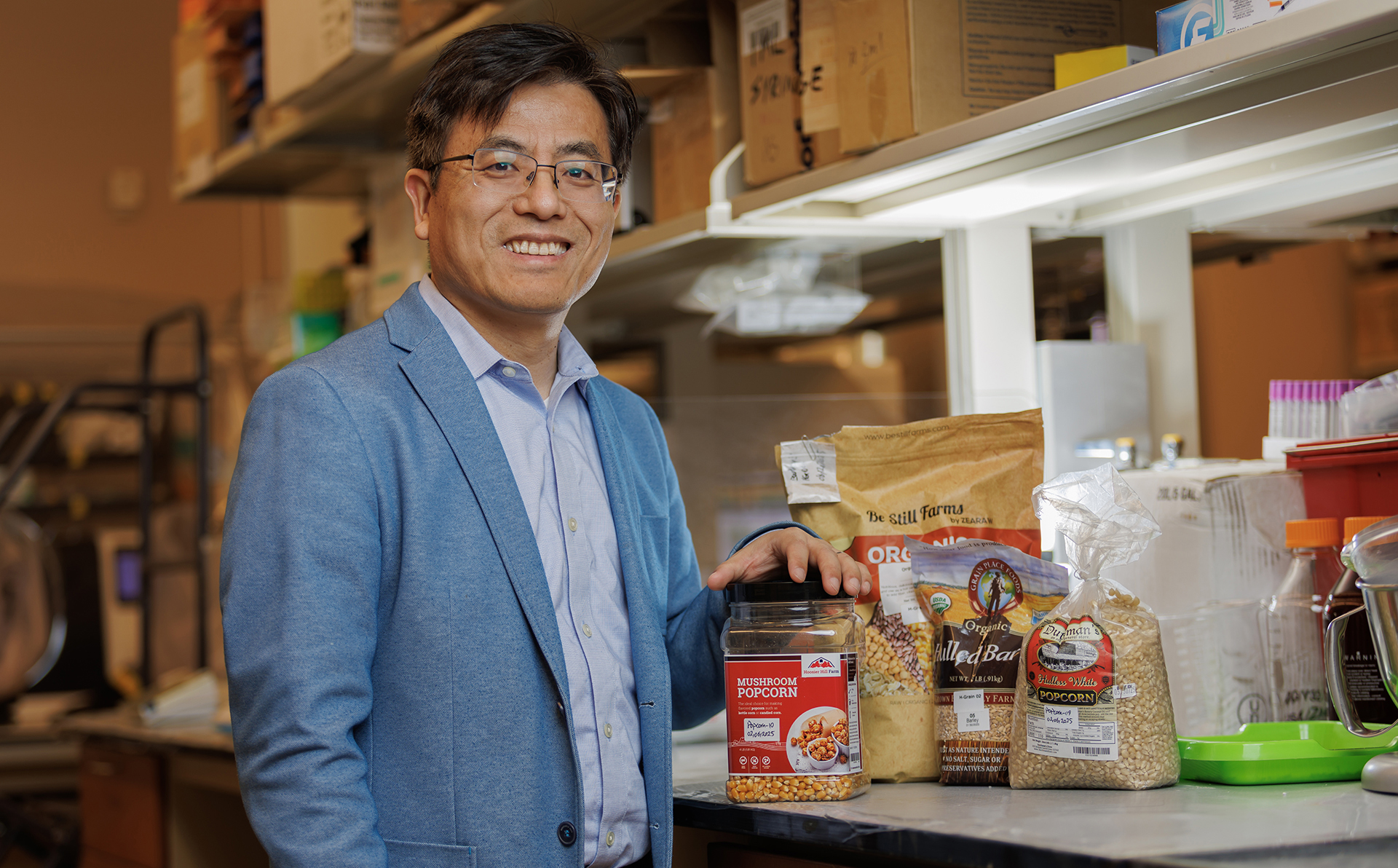
EAST GREENSBORO, N.C. (Feb. 3, 2026) — Dr. Shengmin Sang, a researcher at North Carolina Agricultural and Technical State University’s Center of Excellence in Post-Harvest Technologies, has been awarded a $1,046,500 grant to study the health benefits of incorporating elements of the Mediterranean diet into traditional Southern cuisine over four years.
Read More
Dr. Sang, who serves as the Distinguished Professor of Functional Foods in N.C. A&T’s College of Agriculture and Environmental Sciences, noted that the traditional Southern diet is often high in sugar, saturated fats, and processed meats, all of which are linked to chronic conditions such as heart disease, hypertension, and type 2 diabetes. He stated, "It’s unlikely you can completely change someone’s diet. But if you substitute healthier ingredients into their regular diet, we’re hoping it can help prevent the development of metabolic diseases."
The Mediterranean diet emphasizes fruits, vegetables, whole grains, olive oil, and minimally processed foods. Research has shown that this diet may reduce risks associated with cardiovascular and other diseases.
The upcoming study will include a four-week clinical trial where participants will be divided into two groups; one group will follow a “Mediterranean South” diet, which replaces high-fat and high-sugar components of Southern cooking with healthier alternatives. The research will assess the feasibility, sustainability, and anti-diabetic effects of this Mediterranean-inspired diet tailored to Southern palates. It aims to determine the impact on carbonyl stress—a condition caused by harmful compounds resulting from sugar and fat metabolism that can lead to inflammation and diabetes—and will identify genetic markers linked to changes in carbonyl stress levels. Additionally, the project will involve training students and clinical trial participants as advocates to promote healthy eating in communities at risk for metabolic diseases.
Radiah Minor, Ph.D., interim CAES dean, remarked, "This is a powerful and timely initiative that melds culturally resonant dietary strategies with rigorous science and community engagement. This work has enormous transformative potential — for our students, for public health, and for the communities we serve. It reflects the very best of our university’s land-grant mission."
The grant is part of a larger initiative announced in January by the U.S. Department of Agriculture’s National Institute of Food and Agriculture, which awarded a total of $4.8 million to seven projects aimed at promoting healthy dietary choices to combat chronic diseases. Other institutions receiving funding include Florida State University, Texas A&M AgriLife Research, and the University of Tennessee.
Dr. Sang will lead the project from the North Carolina Research Campus in Kannapolis, with collaboration from two researchers at the University of North Carolina at Chapel Hill’s Gillings School of Global Public Health: Dr. Saroja Voruganti and Dr. Alice Ammerman.