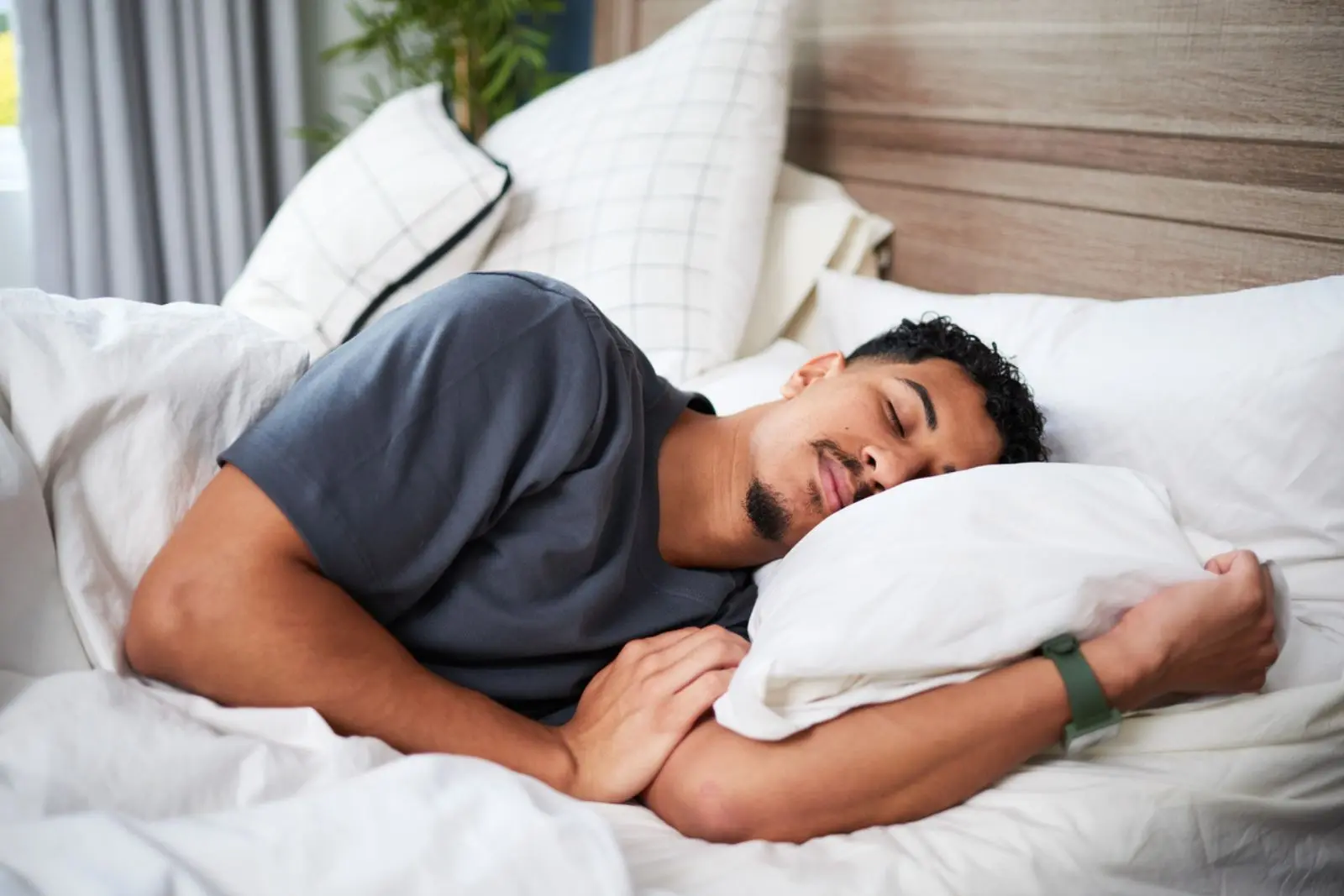
A study published in Nature has found that individuals who sleep between 6.4 and 7.8 hours a night show the least signs of biological aging. This research challenges the rigid belief that all adults need exactly eight hours of sleep. Sleep requirements can vary based on several factors including age, genetics, and lifestyle, indicating that both insufficient and excessive sleep may lead to accelerated aging in the brain and other bodily systems.
Read More
The study emphasizes that the optimal sleep range is not fixed but varies by individual, with differences depending on sex and biological markers. While individuals should not interpret these findings as an invitation to skimp on sleep, a consistent duration of around seven to eight hours is generally beneficial. Conversely, sleeping less than six hours or more than eight hours might warrant attention as potential health concerns.
Researchers assessed biological aging using various aging clocks, which estimate if a body system appears older or younger than its chronological age. Results revealed a U-shaped curve: insufficient sleep, particularly under six hours, corresponds with accelerated aging, while excessive sleep, particularly over eight hours, also correlates with detrimental patterns.
Short sleep can lead to various health issues, including changes in blood pressure, metabolism, and immune response. It can also elevate risks for conditions like obesity and diabetes. On the other hand, prolonged sleep could signal underlying health problems such as depression or untreated sleep disorders.
Quality of sleep is another critical factor; deep and uninterrupted sleep is essential for recovery and cognitive function. The findings suggest that sleep is a holistic process affecting multiple body systems, including hormonal balance and immune defense.
Individuals seeking to improve their sleep should monitor their patterns over several weeks, noting feelings of alertness and overall well-being as indicators of restorative sleep. A consistent sleep schedule, coupled with habits like reduced screen time and a conducive sleep environment, can contribute to better sleep quality.
People who still don't feel rested after sufficient sleep may need to consult a healthcare professional to explore potential sleep disorders. The research underscores that while the eight-hour guideline is not entirely inaccurate, it oversimplifies the complexities of sleep needs. The emphasis should be on finding a personalized sleep rhythm that enhances overall health and well-being.