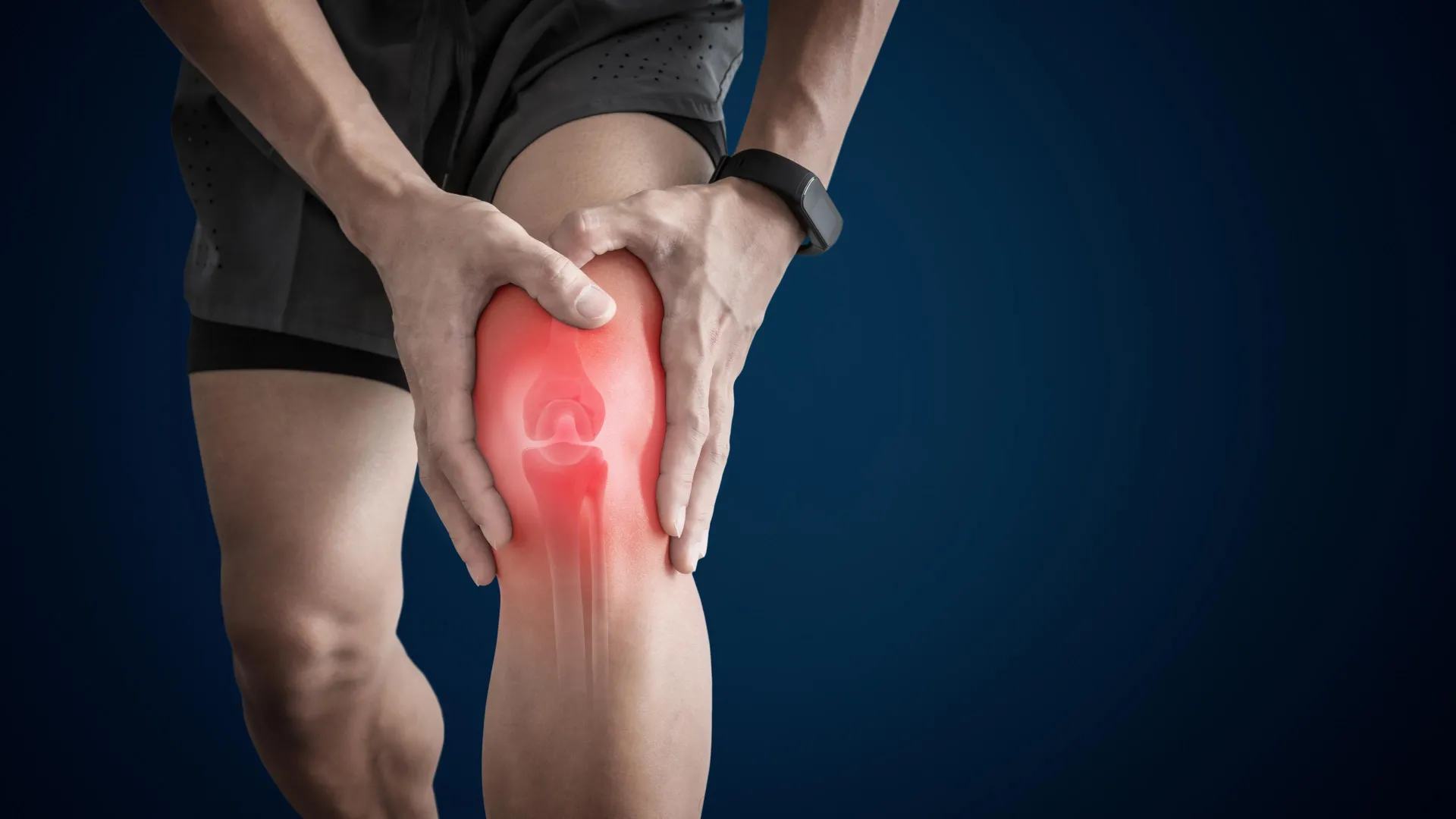
A clinical trial led by researchers at the University of Nottingham suggests that a daily prebiotic fiber supplement can alleviate pain and enhance physical function in individuals suffering from knee osteoarthritis (OA). Participants taking inulin, a natural dietary fiber sourced from chicory root and other vegetables, exhibited reduced pain levels and improved grip strength, with significantly fewer dropouts compared to those engaged in a digital physiotherapy program.
Read More
The findings, published in the journal Nutrients, highlight the potential of improving gut health as a new approach to managing OA, a condition that significantly impacts the quality of life for many, especially older adults. "This study raises the exciting possibility that a simple dietary change -- adding a fiber supplement to your breakfast or yogurt -- could meaningfully reduce pain and improve physical function," said Dr. Afroditi Kouraki, lead author from the School of Medicine.
Globally, knee OA affects hundreds of millions of people, leading to chronic pain and disability. Traditional treatments typically involve pain medication or exercise programs, which some patients struggle to sustain.
The gut microbiome, composed of trillions of bacteria, plays a crucial role in health, including pain perception. Inulin acts as a prebiotic, nourishing beneficial gut bacteria that produce short-chain fatty acids (SCFAs), notably butyrate, which can influence inflammation and pain. Participants consuming inulin had enhanced levels of both butyrate and glucagon-like peptide-1 (GLP-1), a hormone related to pain management and muscle health.
The six-week randomized controlled study included 117 adults diagnosed with knee OA. Participants were divided into four groups: one receiving inulin, another receiving digital physiotherapy-supported exercise (PSE), a third receiving both, and a fourth receiving a placebo. While both inulin and physiotherapy reduced pain, significant improvements in grip strength and lower pain sensitivity were observed only in the inulin group, which also reported a markedly lower dropout rate of 3.6% compared to 21% in the physiotherapy group.
Dr. Kouraki emphasized the simplicity and effectiveness of incorporating a prebiotic supplement into daily routines. "Our findings suggest that targeting gut health is a safe and well-tolerated way to alleviate pain in knee OA patients."
Senior author Professor Ana Valdes noted the intriguing link between GLP-1 levels and grip strength, indicating a potential gut-muscle-pain connection that warrants further research. Professor Lucy Donaldson from Arthritis UK highlighted the importance of addressing arthritis pain, which severely impacts quality of life for many individuals. She expressed support for the ongoing exploration of the gut microbiome's role in pain perception and the benefits of a balanced diet and regular physical activity for arthritis management.