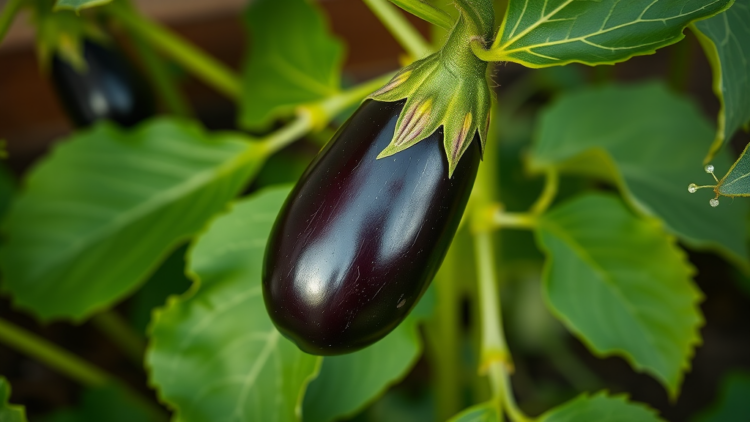
A study by researchers at Lagos State University in Nigeria has demonstrated that zinc oxide nanoparticles produced from sunflower leaves can significantly improve the growth and nutritional content of eggplants. In experiments conducted in a greenhouse environment, the application of plant-derived nanoparticles resulted in taller plants, increased leaf count, expanded leaf area, and better mineral and protein profiles compared to untreated control plants. The findings, published in BMC Agriculture, suggest that these green-synthesized nanomaterials hold potential as more sustainable alternatives to conventional fertilizers, which face criticism for their slow mineralization and negative environmental impacts.
Read More
The researchers utilized a sunflower leaf extract for nanoparticle production, selecting this material due to its high content of flavonoids and phenolic acids, which function as natural reducing and stabilizing agents for zinc ions. The process involved soaking 25 grams of dried sunflower leaves in 500 milliliters of distilled water at 50 degrees Celsius for three hours, followed by adding a zinc oxide solution that was acidified and heated to promote particle formation. After a series of chemical adjustments, centrifugation, and drying, the team successfully created biologically derived zinc oxide nanoparticles.
Characterization techniques revealed that the nanoparticles had formed bonds with biomolecules from the sunflower leaves, enhancing their chemical properties. Scanning and transmission electron microscopy confirmed the formation of uniform rod-shaped particles averaging 4.19 nanometers in diameter, which likely contributes to their effectiveness in nutrient absorption. The presence of zinc was found to significantly influence the physiological and biochemical improvements observed in the eggplants treated with these nanoparticles.
In the growth experiment, eggplant seedlings were treated with four concentrations of the nanoparticles (25%, 50%, 75%, and 100%) every two weeks for eight weeks, alongside a control group. The results showed that plants receiving the full concentration of nanoparticles grew an average height of 19.93 centimeters and had 34.75 leaves, with notable enhancements in leaf area and growth rates.
Biochemical analysis indicated that the stress markers in treated plants were significantly lowered compared to controls, suggesting that the nanoparticles helped mitigate oxidative damage. The antioxidant enzyme activity also decreased in the highest concentration group, indicating a reduced need for stress responses in these plants. Moreover, nutritional analysis revealed higher protein and carbohydrate levels in plants treated with nanoparticles, linking this enhancement to improved nutrient distribution.
The implication of this research extends beyond eggplants, as the study indicates a potential shift in agricultural practices, especially in the use of fertilizers that can enhance crop resilience and nutritional quality. However, the authors caution that further investigation is needed to explore the optimal concentrations of sunflower leaf extract and the potential toxicological effects of zinc oxide nanoparticles. They highlight the importance of understanding ecological impacts prior to the widespread implementation of these materials.
The study underscores the promise of utilizing common plants, like sunflowers, to produce effective fertilizers that not only enhance growth but also address the challenges posed by synthetic fertilizers.