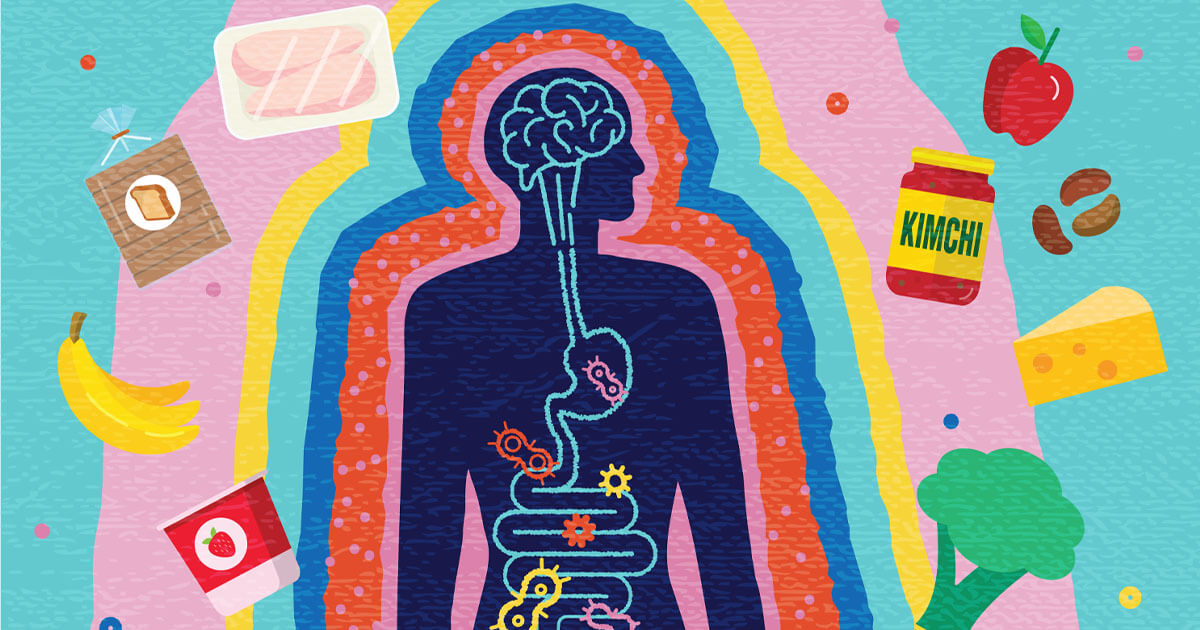
The human body hosts trillions of microbes, including bacteria, viruses, and fungi, forming a microbiome that plays a crucial role in health. Research suggests that the gut microbiome may influence conditions such as depression, multiple sclerosis, and Parkinson's disease.
Read More
Most gut microbes, primarily bacteria, inhabit the intestinal tract, especially the colon. Each individual's gut microbiome is unique, sharing general categories like Bacillota and Bacteroidota, but differing in proportions and species.
A healthy gut microbiome supports the immune, nervous, and skeletal systems, aids in digestion, produces vitamins, maintains intestinal health, and performs numerous other functions. Conversely, dysbiosis—a condition marked by an imbalance of harmful and beneficial microbes—has been linked to several chronic diseases, including heart disease, diabetes, gastrointestinal cancers, and neurological disorders such as Parkinson's disease and autism.
The gut-brain axis describes the bidirectional communication between the brain and gut. The brain sends signals to the gut, while the gut also communicates back through the vagus nerve and the bloodstream, which carries hormones, neurotransmitters, and metabolites. Elaine Y. Hsiao, PhD, at UCLA, notes that gut microbes produce metabolites that can affect mood and neuronal function.
Research indicates a strong link between dysbiosis and neurodegenerative diseases. Individuals with neurological disorders often show significant differences in gut microbiomes compared to healthy individuals. Dysbiosis may even contribute to the onset or worsening of these brain disorders. For example, constipation, often experienced years before the onset of Parkinson's disease, signifies this connection.
Conversely, neurological disorders and their treatments can alter gut health, creating a feedback mechanism. Jaeyun Sung, PhD, from the Mayo Clinic, notes that conditions like Parkinson's can slow gut motility, allowing harmful bacteria to thrive, which may further impact the disease.
Although the gut microbiome stabilizes by age four, certain lifestyle choices can optimize its health:
- **Diet**: Incorporate a plant-based diet rich in fruits, vegetables, whole grains, legumes, nuts, and seeds, while reducing red meat and refined sugars. A Mediterranean diet has been associated with a healthier microbiome and improved mental health.
- **Fiber**: Aim for 25g of fiber daily for women and 36g for men, focusing on fermentable fibers from sources like oats, legumes, and fruits, which benefit beneficial gut bacteria.
- **Fermented Foods**: Foods like yogurt and kimchi provide live beneficial bacteria that can positively impact gut health.
- **Supplements**: Probiotics may enhance gut health, provided they contain sufficient live organisms. Prebiotics, which nourish gut bacteria, also offer health benefits. Research suggests that both types of supplements may help with anxiety, depression, stress, and cognitive health.
- **Physical Activity**: Engaging in regular moderate to high-intensity exercise is associated with a more diverse and resilient gut microbiome.
These strategies can contribute to maintaining a balanced gut microbiome and potentially reducing the risk of various chronic diseases.