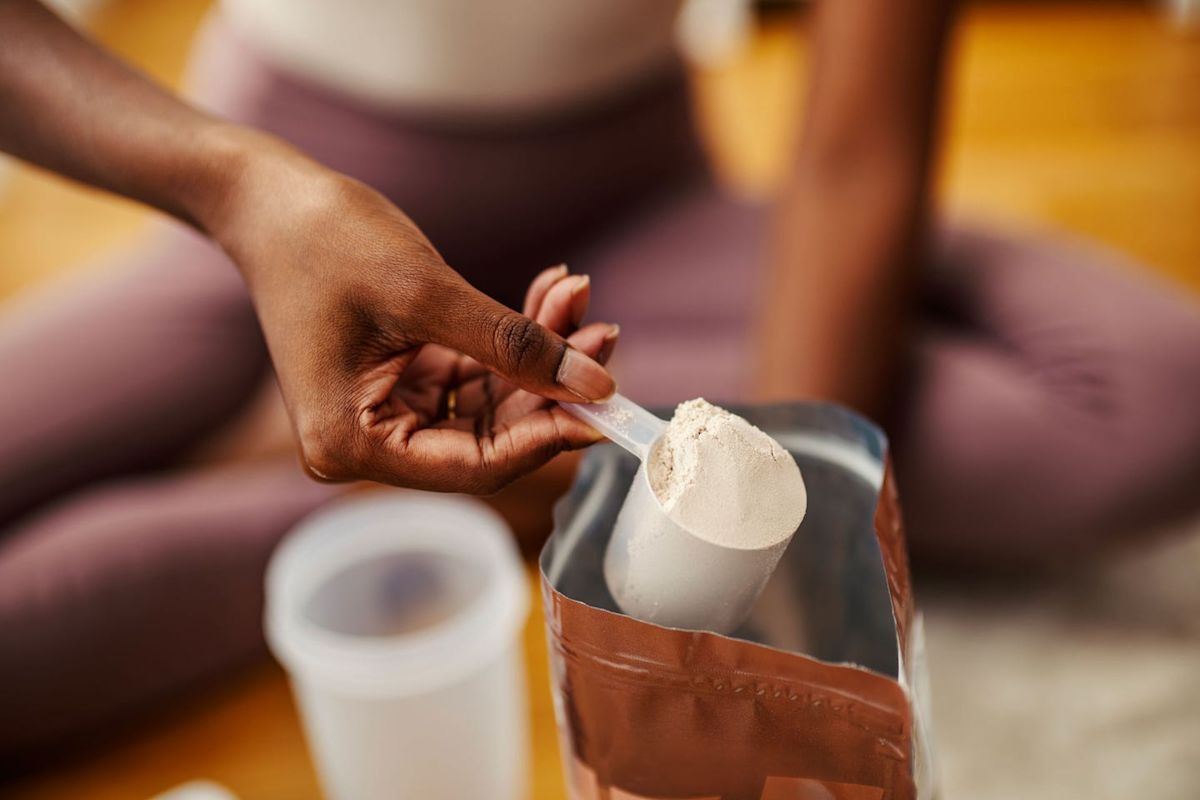
Getting enough protein is crucial for women as they age, particularly when reaching their 50s and approaching menopause. The body becomes less responsive to protein over time, making it important to incorporate sufficient high-quality protein to maintain muscle and strength.
Read More
Registered dietitian recommendations emphasize the need for protein supplements, along with a balanced diet, to support muscle retention. Here are some top options:
1) **BARE PERFORMANCE NUTRITION Whey Protein Isolate**: Each scoop contains 25 grams of whey protein isolate and 3 grams of leucine, which is beneficial for muscle health when paired with resistance training. It's mostly lactose-free and can be mixed easily with various foods or drinks.
2) **NOW Sport Nutrition Pea Protein**: This plant-based protein delivers 20 grams per serving and is complete with all nine essential amino acids. The product is Informed Sport Certified, allowing users to ensure they are getting a reliable protein supplement.
3) **Fairlife Nutrition Plan High Protein Shake**: Offering 30 grams of complete milk protein in each bottle, this lactose-free shake also provides calcium and vitamin D. Its shelf-stable design makes it convenient for on-the-go nourishment.
4) **Quest Nutrition Ultimate Protein Bars**: Each bar provides 20 to 21 grams of protein, alongside high fiber content. Additionally, Quest bars are widely accessible in various flavors, though some individuals may experience digestive discomfort from sugar alcohols.
5) **Huel Black Edition Meal Replacement Shake**: This meal replacement provides about 400 calories and 35 grams of plant-based protein. It is designed to be filling and nutritionally balanced, along with being shelf-stable.
6) **Vital Proteins Collagen Peptides Powder**: With 20 grams of collagen peptides, this product supports skin and joint health but is not a complete protein source. It is NSF Certified for Sport, ensuring quality and reliability.
When selecting a protein supplement, consider the necessary protein intake of about 20 to 30 grams per serving, particularly for older adults. Personal preferences for taste, convenience, and specific dietary needs should also guide the choice of protein source, whether it be powder, ready-to-drink shakes, or bars.