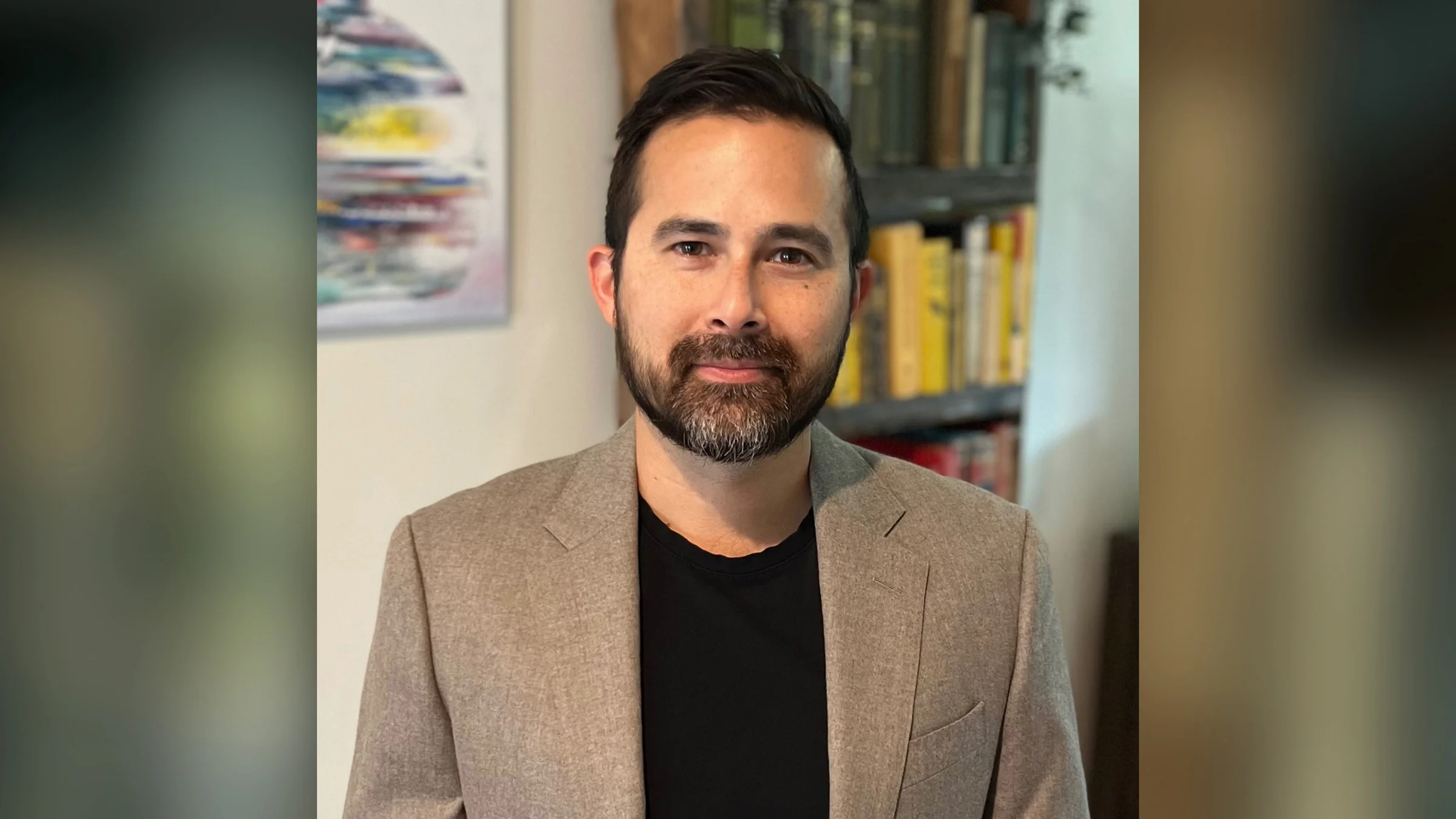
John Blosnich, interim co-director of the USC Center for AI in Society, discusses the potential of artificial intelligence to enhance mental health support in unconventional environments, referred to as "industries of disruption." These settings include locations where people face significant life changes, such as divorce attorneys' offices, bankruptcy courtrooms, and self-storage facilities.
Read More
Blosnich, who is also an associate professor at the USC Suzanne Dworak-Peck School of Social Work, focuses on identifying opportunities to offer mental health assistance before crises escalate. He notes that many individuals in distress do not seek help from traditional clinical services, prompting a need to find them where they are. His research investigates how various community touchpoints can connect individuals to support services in their time of need.
Reflecting on his background in veteran suicide prevention, Blosnich states that substantial social factors contribute to suicide risk, highlighting the importance of engaging with people during critical life events. He identified several industries that frequently encounter individuals during such transitions that are associated with higher risks of suicide, including legal professions and self-storage facilities, which he labels as "industries of disruption."
Using AI, Blosnich's team is analyzing the National Violent Death Reporting System dataset, which includes extensive narratives of suicide cases compiled from the details provided by medical examiners and law enforcement. He collaborated with experts in natural language processing, creating a model that processes and extracts insights from these narratives, allowing for examination of patterns that traditional analysis might overlook.
The research revealed that legal interactions, such as those involving attorneys, occurred in approximately 10% of suicide cases studied, underscoring the relevance of these professionals in times of personal crises. Blosnich emphasizes that legal professionals do not need to become mental health experts but can play a critical role by recognizing distress signals and facilitating connections to support services.
Looking ahead, Blosnich envisions AI making transformative contributions to public health research by enabling the analysis of sensitive data without exposing researchers to potential trauma from detailed case studies. Additionally, the capacity to integrate diverse datasets can greatly enhance understanding of public health issues, providing new insights for intervention strategies.