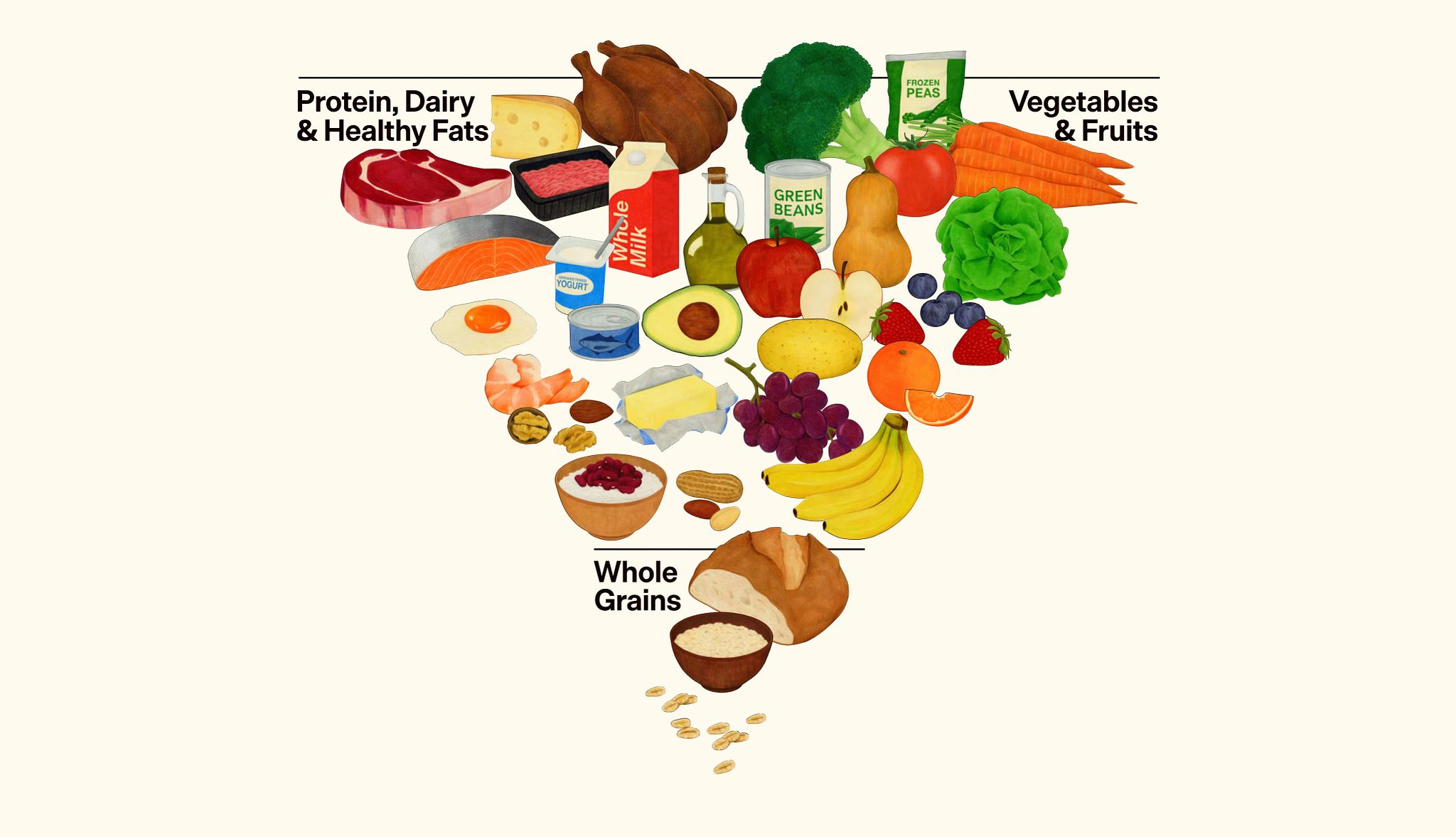
The latest dietary guidelines from the U.S. emphasize the avoidance of highly processed foods, citing that more than half of American caloric intake comes from such items. These foods are associated with increased risks of heart disease, obesity, diabetes, and cancer, according to the Centers for Disease Control and Prevention. The guidelines advocate for a diet rich in vegetables, fruits, fermented foods, and high-fiber options to promote gut health and a diverse microbiome.
Read More
In addition, the guidelines recommend limiting artificial substances and added sugars. No amount of added sugars or nonnutritive sweeteners is considered healthy, and it is advised to avoid sugar-sweetened beverages. The report suggests that a single meal should contain no more than 10 grams of added sugars, aligning with previous recommendations to limit added sugars to less than 10 percent of daily caloric intake.
Further recommendations include focusing on whole grains while reducing refined carbohydrates. The guidelines suggest consuming two to four servings of fiber-rich whole grains daily and caution against highly processed, refined options like white bread and packaged cereals.
Alcohol consumption guidelines have changed; while past guidelines specified limits—two drinks daily for men and one for women—the new recommendations simply advise drinking less. This is the first update in decades without specific limits and does not mention that even moderate drinking can elevate cancer risk.
Regarding fruits and vegetables, the new guidelines reiterate the need for a sufficient intake, recommending at least three servings of vegetables and two servings of fruit per day. For those following vegetarian or vegan diets, the report highlights the importance of watching for nutritional deficiencies in vitamins and minerals commonly lacking in these diets, such as vitamins B12, D, and iron.
The guidelines also suggest that individuals over age 14 should consume less than 2,300 mg of sodium daily, maintaining previous recommendations, and stress minimizing the intake of highly processed foods high in sodium.