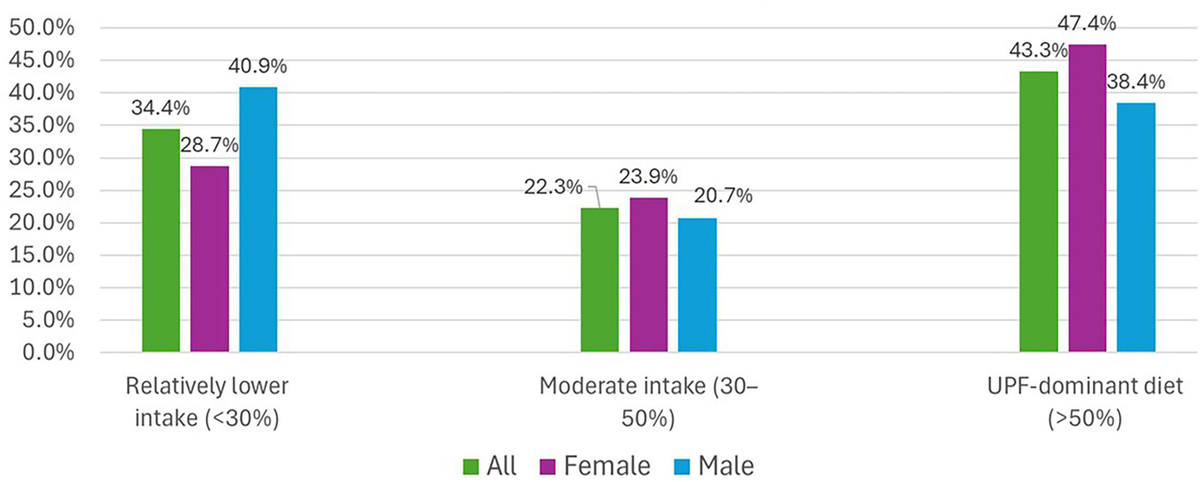
A recent study investigating the consumption of ultra-processed foods (UPFs) among Kuwaiti adolescents reveals concerning dietary patterns connected to poorer nutrition. Conducted with 375 participants aged 11 to 17, the cross-sectional study employed dietary assessments using the MyFood24 Middle East tool and classified food types using the NOVA system.
Read More
The findings indicate that adolescents consumed a median of 443 grams of UPFs per day, accounting for 43.9% of their total daily energy intake. Increased intake of UPFs was associated with lower consumption of protein and fiber, along with higher intakes of total fat, saturated fats, and salt, suggesting a correlation with poorer overall diet quality.
The study aims to highlight the nutritional impact of UPF consumption during a critical period for growth and development. As global food demand rises, processed food sales now represent about 75% of total global food sales. The research underscores the urgent need for public health strategies to foster healthier dietary practices among adolescents in Kuwait, where obesity is already prevalent.
Key observations reveal that UPF consumption negatively affects nutrient profiles: higher levels of UPFs correlate with increased fat intake and decreased dietary fiber. Another critical finding indicates that 52.1% of adolescents in Kuwait are either overweight or obese, prompting concerns over the long-term health ramifications of unhealthy dietary patterns influenced by processed food marketing and availability.
The study calls for integrated public health approaches to educate youths on nutrition and mitigate the reliance on UPFs to enhance overall health outcomes and reduce diet-related chronic disease risks.