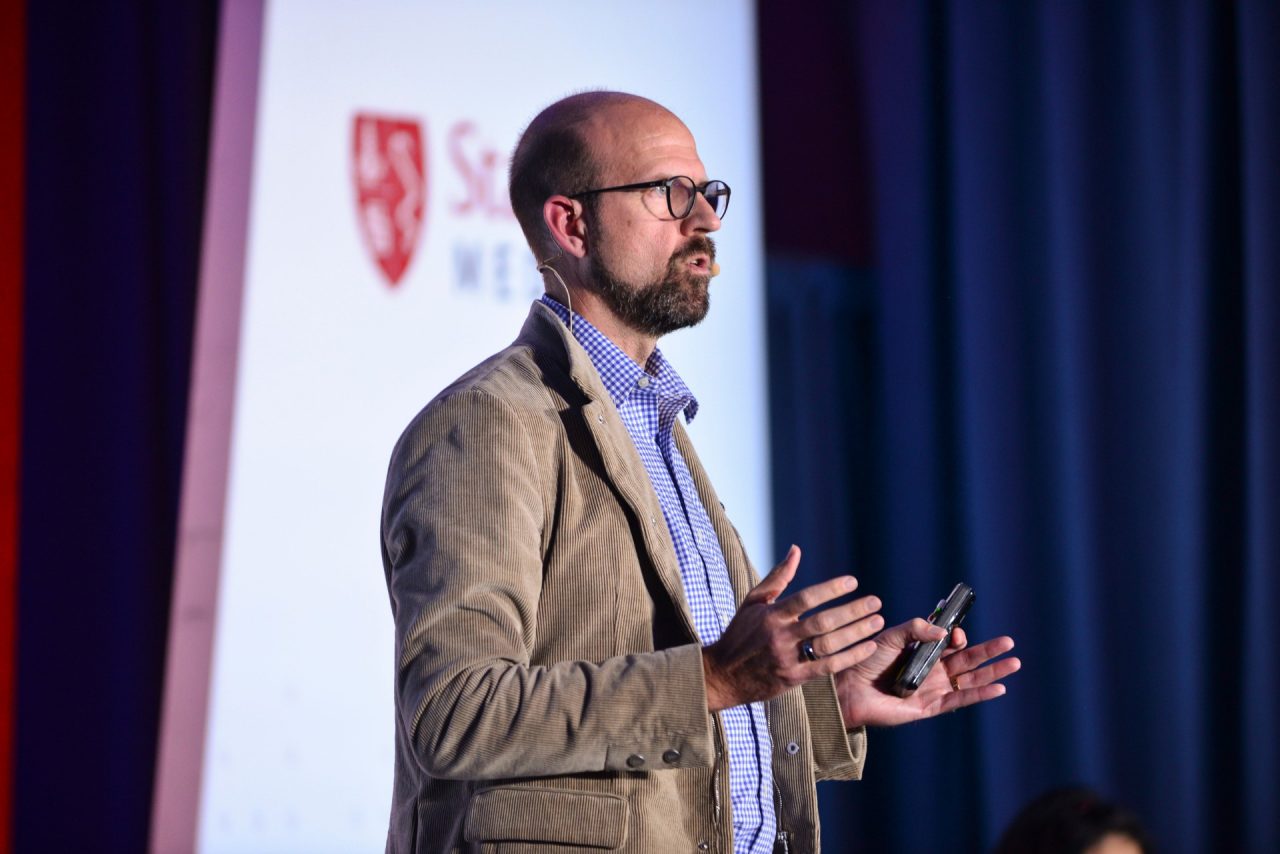
At Stanford's Big Data in Precision Health conference, experts discussed the intersection of big data and sleep science. The event, now in its seventh year, began with a welcome from Dean Lloyd Minor, MD, who emphasized the significance of data in addressing issues related to precision health and biomedicine.
Read More
During a panel focused on sleep, Jonathan Berent, director at X, Alphabet's Moonshot Factory, highlighted the role of wearable technologies in sleep research, including devices like watches and sensors embedded in mattresses. Berent suggested that advancements in sleep-monitoring technology must include a "daytime score" to assess readiness for the upcoming day, utilizing smartphone usage data to improve insights into users' sleep quality.
Jennifer Kanady, PhD, clinical innovation lead for sleep at Big Health, presented a different approach to sleep issues, emphasizing a cognitive behavioral therapy app designed to help users improve their sleep without relying on pharmaceuticals. The app features sleep diaries and a virtual sleep coach, who provides evidence-based tips and support.
Emmanuel Mignot, MD, PhD, professor of psychiatry and behavioral sciences, pointed out that sleep medicine encompasses a variety of disorders, from insomnia to narcolepsy. He expressed excitement over machine learning approaches that analyze sleep quality and patterns, alongside new genomic insights that link certain sleep disorders to immune system functions.
Mignot's ongoing research includes a study involving sleep data from 30,000 participants, aiming to uncover the fundamental purposes of sleep. The conference will continue today, with opportunities to engage online via webcast and social media.