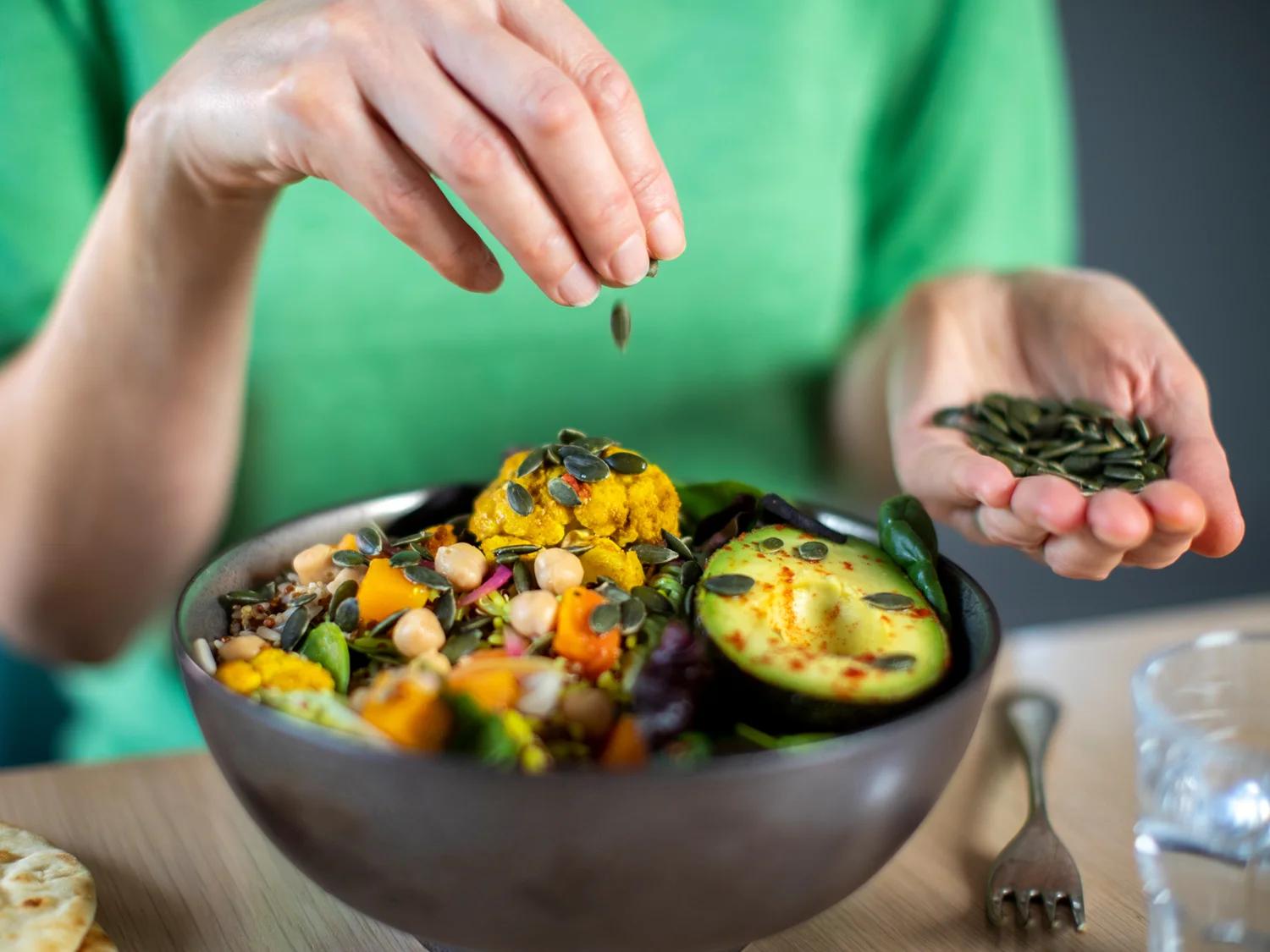
The American Heart Association (AHA) has updated its dietary guidelines, recommending that individuals shift from meat to plant-based protein sources to enhance heart health. Plant-based proteins include legumes, nuts, and whole grains, which are increasingly featured on product labels in grocery stores.
Read More
Gabrielle Gambino, a senior clinical dietitian at NewYork-Presbyterian/Weill Cornell Medical Center, advocates for incorporating plant-based proteins into diets, noting that many animal-based proteins are high in saturated fats. She asserts that when integrated correctly, plant proteins can fulfill daily nutritional requirements similarly to animal-based proteins.
Protein plays several crucial roles in the body beyond muscle growth, including hormone regulation, nutrient transport, immune support, and stabilizing hunger and energy levels. Gambino generally recommends about 0.8 to 1.0 grams of protein per kilogram of body weight daily. For example, a 150-pound individual should aim for approximately 55-70 grams of protein. Recent guidelines from the Department of Health and Human Services and USDA suggest that Americans prioritize protein intake, recommending between 1.2 to 1.6 grams per kilogram of body weight, translating to about 109-126 grams of protein for an average adult.
Plant-based proteins provide numerous health benefits over their animal counterparts. Rich in dietary fiber, they can improve cholesterol levels and support gut health, while also providing vitamins, minerals, and antioxidants that combat inflammation and promote cell health. Additionally, plant-based proteins are virtually free of dietary cholesterol, unlike animal proteins, particularly red meat, which can contribute to arterial damage.
To ensure adequate protein intake from a plant-based diet, Gambino suggests consuming a variety of sources. For instance, combining brown rice with beans can supply all necessary amino acids. Recommended sources of plant-based protein include tofu, lentils, tempeh, and quinoa.
To measure protein portions, it is helpful to visualize serving sizes. A recommended portion for protein-rich foods is about the size of a deck of cards, while half to one cup of grain-based sources, such as brown rice or quinoa, is acceptable per meal.
Incorporating plant-based proteins can be simple. For example, mixing peanut butter into oatmeal or substituting quinoa for traditional oats can boost protein content. Smoothies can also be a convenient way to add protein, with options like chia seeds or peanut butter for added nutrition.
While meat substitutes can be lower in saturated fat and calories, they are often ultra-processed and may carry risks due to high sodium and additional fillers. Gambino advises limiting their intake to once or twice a week and recommends reading labels carefully to choose products with minimal ingredients.
Healthy snack options for plant-based protein include roasted chickpeas, nuts, seeds, and edamame. Products labeled as having “added protein” can provide benefits but may also contain unhealthy added ingredients, making it essential to scrutinize their ingredient lists.
Gambino suggests favoring whole foods over protein powders, which may contain unregulated ingredients, including unwanted substances. Relying on protein supplements often leads to missing out on beneficial fiber and phytochemicals found in whole foods.
Excessive protein intake can pose risks as well, potentially leading to kidney strain and digestive issues. Gambino cautions against falling for diet trends, emphasizing the importance of choosing whole, minimally processed foods.