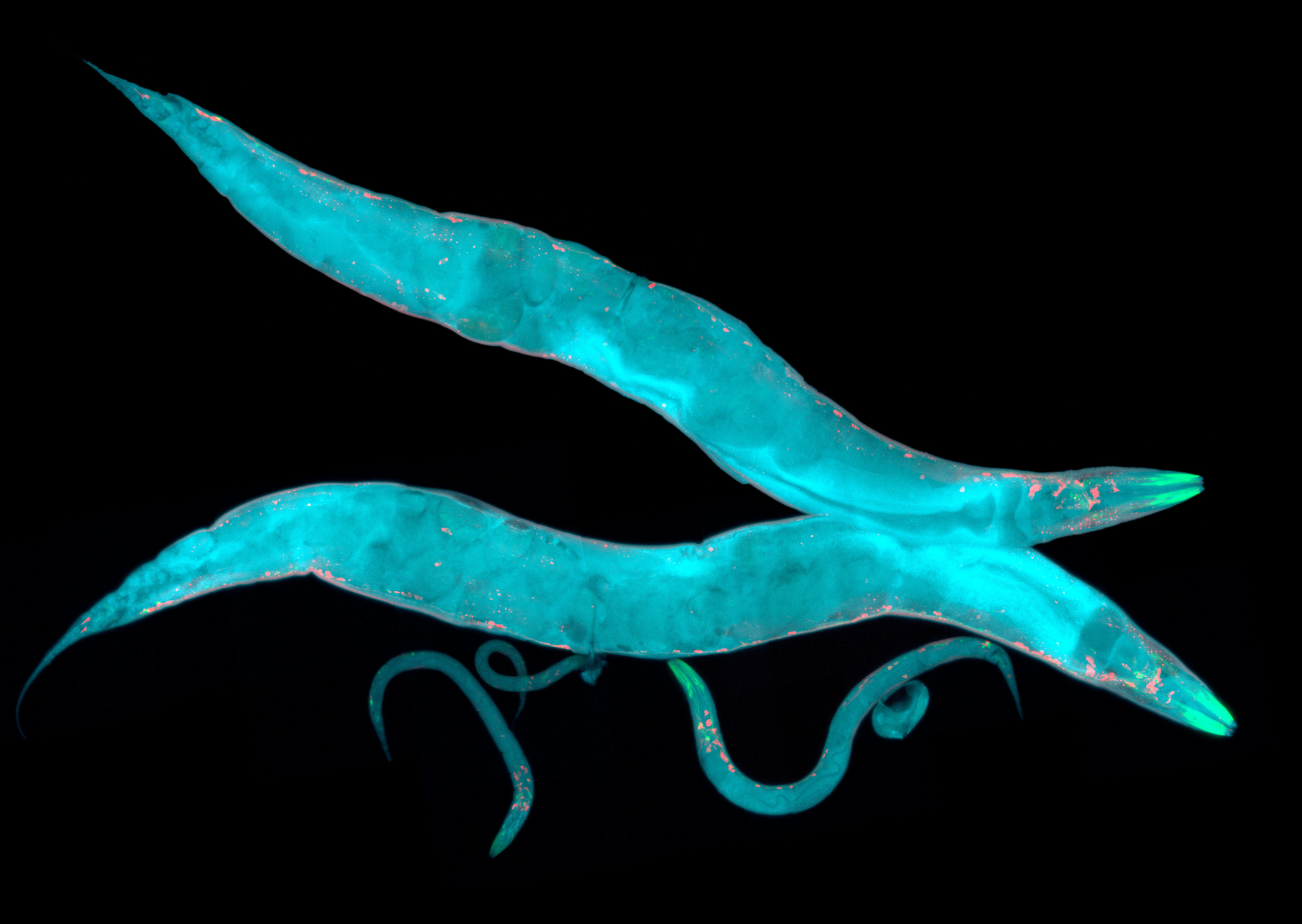
Researchers at The University of Texas MD Anderson Cancer Center have identified a connection between circadian rhythms and a biomarker related to innate immunity activated during infections. Their study, published in Science Advances, reveals that changes in the circadian rhythm of C. elegans, which share similar circadian clock genes with humans, can influence the susceptibility of their offspring to bacterial infections.
Read More
Alejandro Aballay, PhD, a professor of genetics at the institution, noted, "These findings reveal a circadian mechanism that can create significant differences in infection outcomes even when genetics and environment are similar. This circadian control may help explain why patients with comparable risk profiles often experience very different responses to infection."
Circadian rhythms are natural processes observed across various life forms, including bacteria, plants, fungi, and humans. These 24-hour cycles are regulated by a complex set of genes and have been increasingly linked to numerous neurological, metabolic, and immune functions. In humans, the circadian clock has been shown to significantly affect responses to vaccinations and cancer treatments.
In this study, Aballay and his team investigated why immune responses vary widely among genetically identical individuals in similar environments, a phenomenon referred to as phenotypic heterogeneity. While previous research on twins has highlighted the impact of genetic and environmental factors on human immunity, twins cannot replicate identical environmental experiences, necessitating alternative research models.
Using C. elegans, the researchers found that the potential for infection from Pseudomonas aeruginosa bacteria could be predicted based on levels of the transcriptional infection response gene-5 (irg-5), which is elevated during bacterial infections as part of the innate immune response. Further investigations revealed that maternal circadian rhythms influenced whether offspring exhibited higher basal levels of irg-5, correlating with increased survival during infection threats.
Inhibiting the circadian rhythm in C. elegans through RNA interference targeted at known clock genes negated these protective effects. The findings led the authors to suggest that variations in immune response driven by circadian rhythms might serve as an evolutionary adaptation to enhance resilience against infections in genetically similar and environmentally identical populations. While more research is needed to determine if these mechanisms apply to humans, the study suggests that circadian rhythms may play a crucial role in shaping immune defenses, with potential implications for disease prevention and personalized medicine.